Windows and Siding Replacement: Complete Guide to Benefits, Services, and Real-World Examples
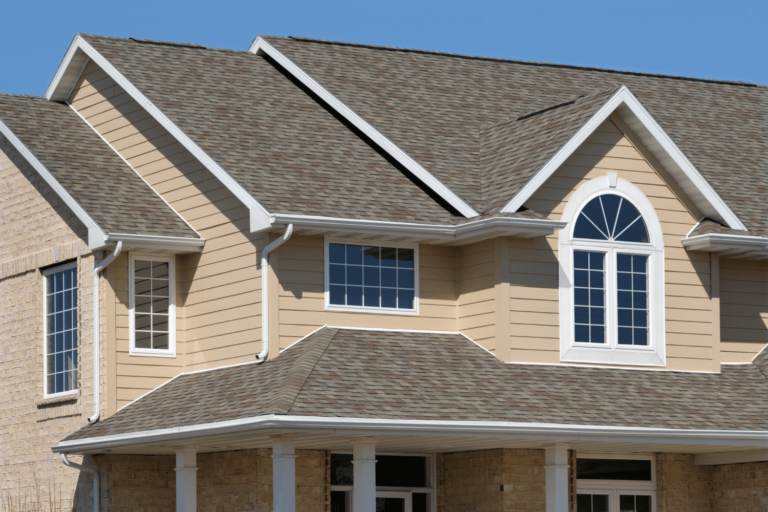
The exterior of a home plays a critical role in protecting the structure, enhancing curb appeal, and maintaining energy efficiency. Over time, windows and siding can wear down due to weather exposure, age, and everyday use. Windows and siding replacement offers a comprehensive solution to update and protect your home while adding long-term value.
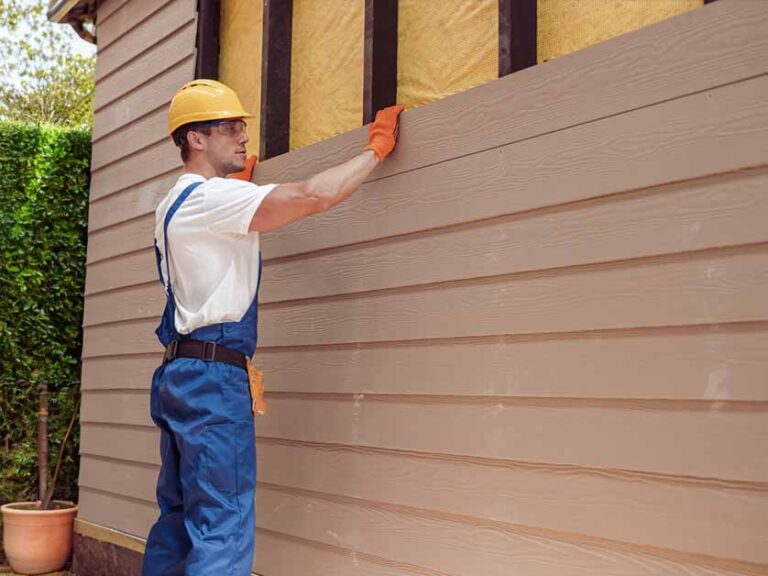
This process involves more than a cosmetic upgrade. Replacing outdated siding and inefficient windows can improve insulation, reduce utility bills, prevent structural damage, and modernize the home’s appearance. Professional installation ensures these improvements are completed correctly, maximizing durability and efficiency.
Why Windows and Siding Replacement is Essential
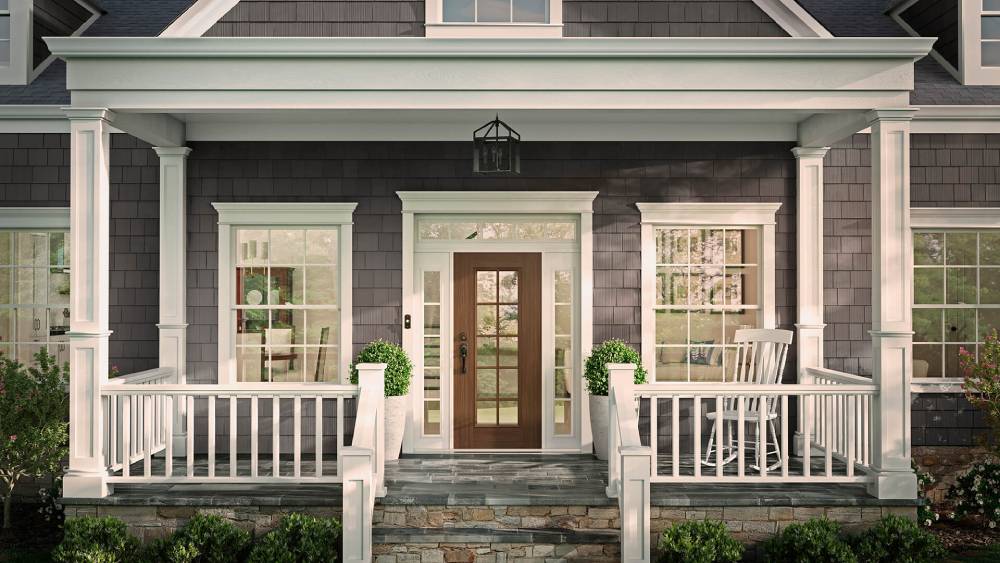
Windows and siding serve as the first line of defense against the elements. When either begins to deteriorate, the entire home becomes vulnerable. Drafty windows and cracked siding lead to energy loss, moisture intrusion, and potential mold growth. These issues not only affect comfort but also raise long-term maintenance costs.
By investing in replacement, homeowners can solve multiple problems at once. New siding provides a weather-resistant shield, while modern windows reduce drafts and improve indoor comfort. Together, these upgrades strengthen the structure and improve energy efficiency, creating a healthier and more cost-effective living environment.
Types of Windows and Siding Replacement Services
Residential Services
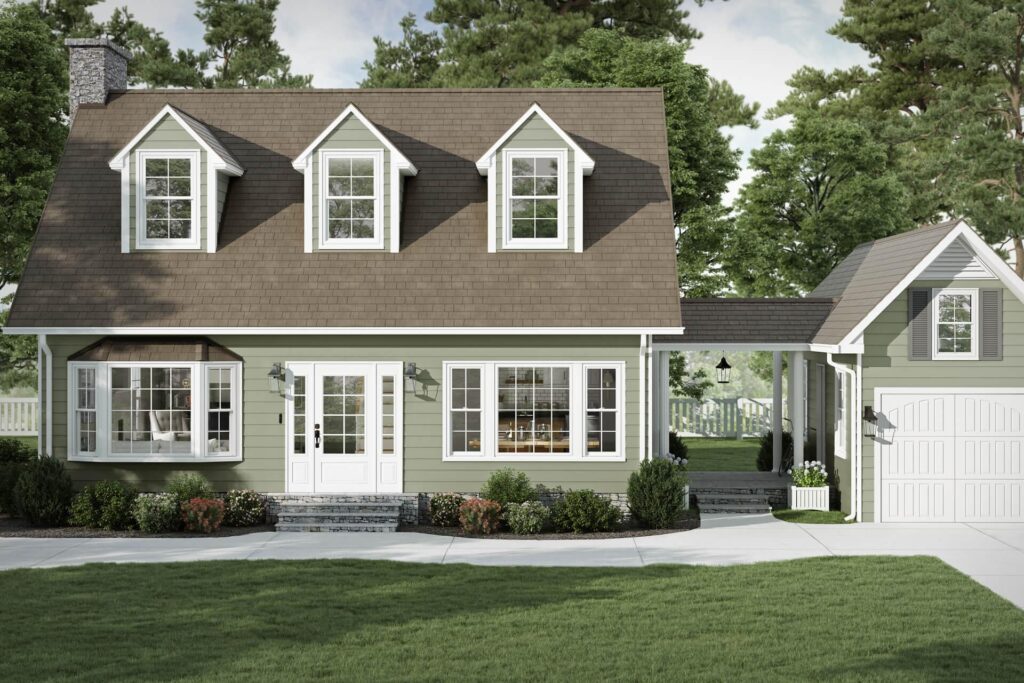
For homeowners, replacement services are designed to meet both practical needs and aesthetic goals. Options for siding include vinyl, fiber cement, engineered wood, and composites, while window replacements feature double-pane, triple-pane, and low-E glass designs.
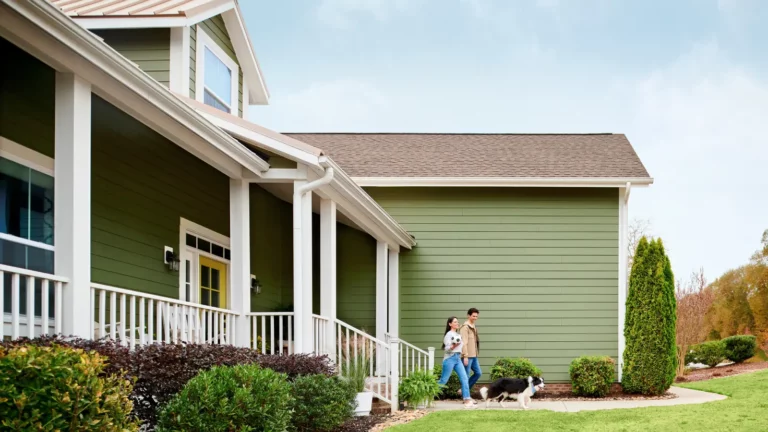
Residential projects often focus on enhancing curb appeal while reducing energy bills. New siding and windows dramatically change a home’s exterior look, giving it a fresh, modern appearance. At the same time, these upgrades improve comfort and lower heating and cooling costs.
Commercial Services
Commercial properties face greater demands for durability and efficiency. Professional siding and window replacement for businesses uses heavy-duty materials such as steel, fiber cement, or composite panels paired with reinforced glass windows. These materials are built to withstand constant use and environmental exposure.
For businesses, the exterior of a property also communicates brand image. Replacing outdated siding and windows creates a professional, trustworthy appearance that attracts clients, customers, and tenants. It also lowers long-term maintenance costs, making it a smart investment for property managers.
Customized and Specialty Solutions
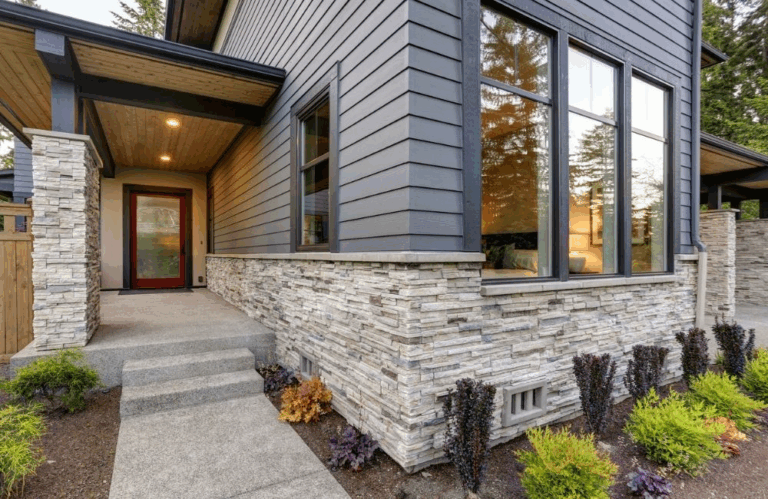
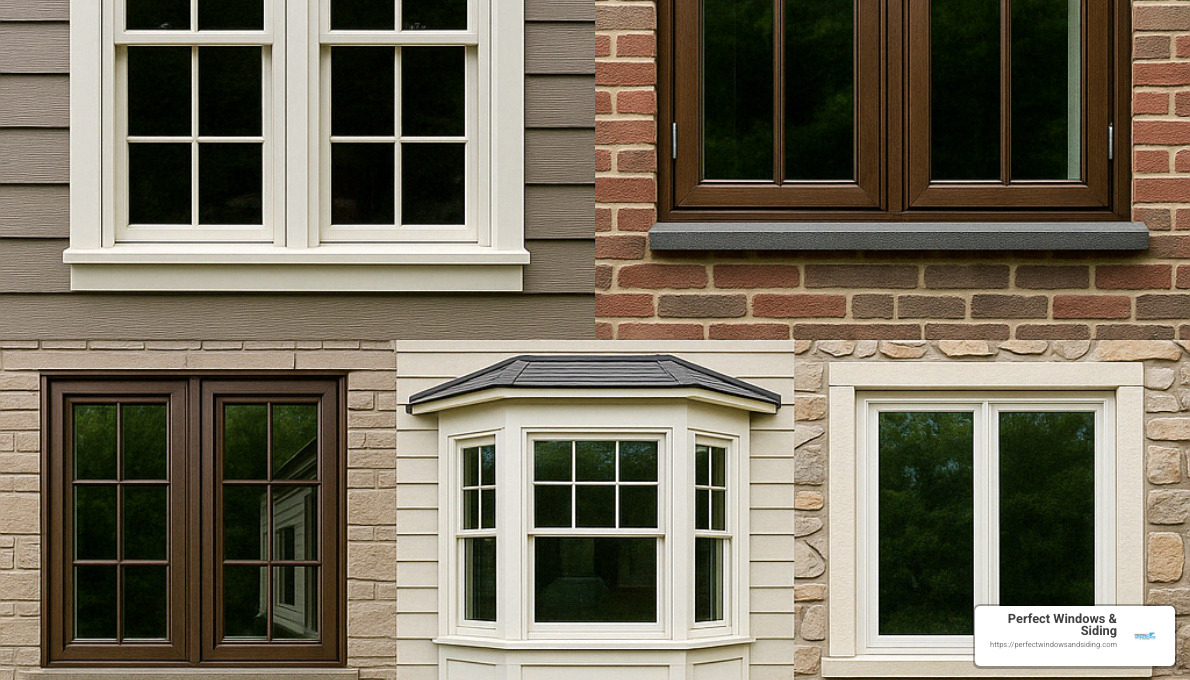
Some homeowners and businesses choose customized solutions to match unique designs. These services may include mixed-material exteriors, such as combining stone veneer with fiber cement siding or pairing decorative bay windows with modern siding styles.
Specialty solutions also focus on performance needs, such as insulated siding for cold climates or hurricane-resistant windows for coastal regions. These tailored approaches allow property owners to achieve both style and functionality, ensuring their exteriors perform well in specific environments.
Benefits of Using Technology in Windows and Siding Replacement
Modern siding and window replacement companies leverage technology to deliver precise, efficient, and long-lasting results.
One major innovation is digital design software, which allows homeowners to preview how different siding and window styles will look on their home before installation. This visualization helps clients make confident decisions about color, material, and layout.
Additionally, advanced insulated siding and energy-efficient window technologies are transforming homes. Low-emissivity (low-E) coatings, double or triple glazing, and insulated siding panels reduce heat transfer, keeping homes warmer in winter and cooler in summer. These innovations significantly lower utility costs.
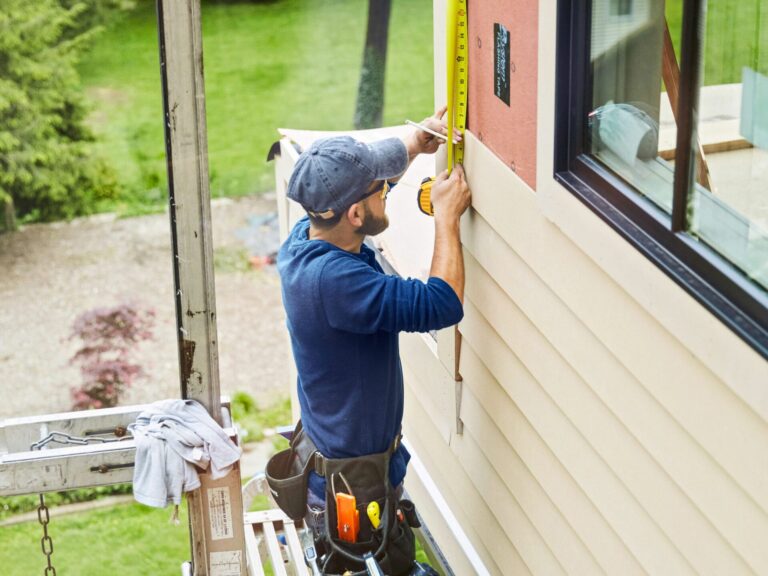
Another advancement is the use of moisture and weather barriers behind siding installations. These protect against water intrusion, mold, and structural decay. Together, these technologies make modern siding and windows more durable, efficient, and environmentally friendly than ever before.
Real-World Examples of Windows and Siding Replacement Projects
Example 1: Vinyl Siding and Double-Pane Windows
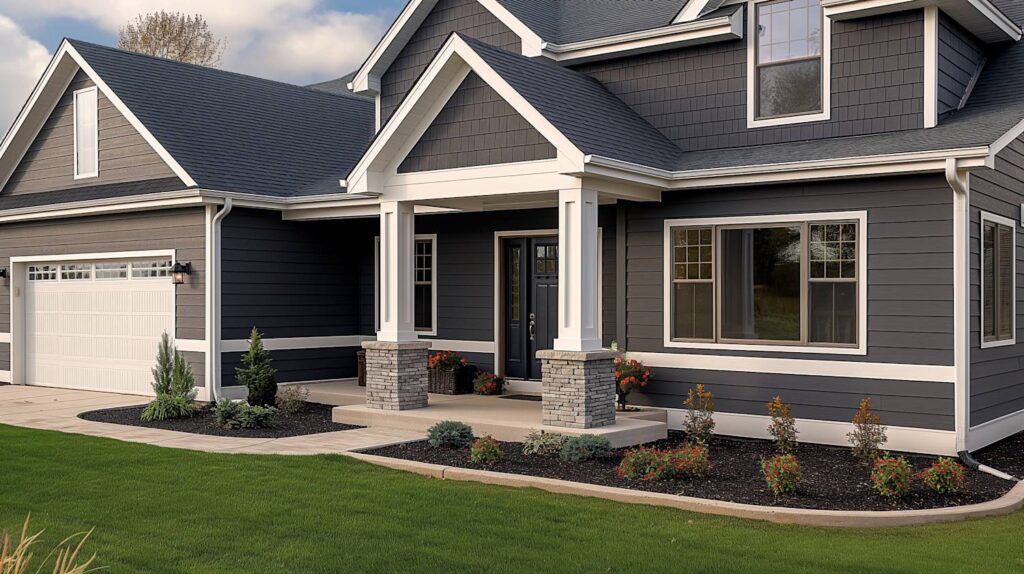
A family in a suburban neighborhood needed affordable, low-maintenance solutions. A siding and window replacement company installed vinyl siding paired with double-pane windows.
The result was a fresh, clean appearance with significantly improved energy efficiency. The family reported lower heating bills during winter and cooler indoor temperatures in summer, proving the effectiveness of the upgrades.
Example 2: Fiber Cement Siding and Low-E Glass Windows
A homeowner in a coastal area faced challenges with salt air, moisture, and storms. Professionals recommended fiber cement siding for durability and low-E glass windows to reduce glare and UV damage.
This combination provided resistance against harsh weather while also protecting the home’s interior from fading. The installation extended the lifespan of the exterior and improved energy performance, adding long-term value to the property.
Example 3: Composite Siding and Triple-Pane Windows for Commercial Property
A business owner wanted to modernize an outdated office building. A replacement company installed composite siding and triple-pane windows to create a sleek, energy-efficient exterior.
The upgraded design attracted new tenants and reduced overall energy costs. The combination of composite siding and advanced windows also projected a professional image, giving the business a competitive edge.
Example 4: Engineered Wood Siding with Bay Windows
A homeowner with a craftsman-style property wanted to maintain a natural aesthetic without compromising durability. Experts installed engineered wood siding paired with custom bay windows to preserve the home’s traditional charm.
This solution achieved both beauty and function. The engineered wood mimicked natural lumber but resisted pests and rot, while the bay windows enhanced natural light and visual appeal.
Practical Use Cases for Windows and Siding Replacement
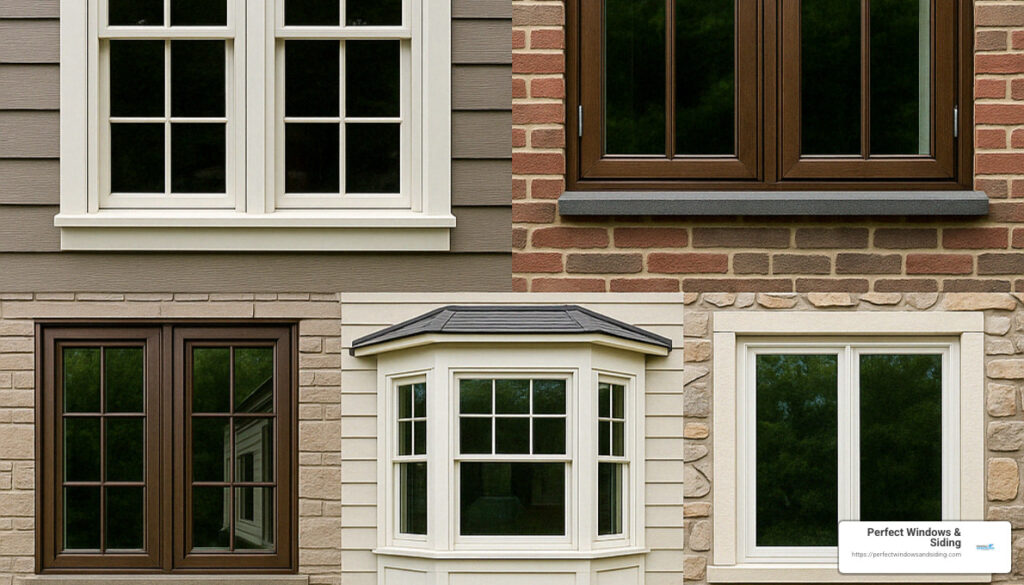
Windows and siding replacement offer versatile solutions to common problems faced by property owners.
For homeowners, it eliminates drafts, moisture leaks, and deteriorating exteriors. This not only improves comfort but also reduces long-term repair costs. Families benefit from safer, healthier homes with better insulation and lower energy bills.
For businesses, upgraded siding and windows reduce liability risks, project professionalism, and lower operating expenses. Properties with modern exteriors attract tenants and customers more effectively, while also reducing maintenance demands.
In extreme climates, siding and window replacement become essential. Cold regions benefit from insulated siding and triple-pane windows, while coastal properties rely on fiber cement siding and storm-resistant glass. These solutions protect against regional hazards and prevent costly damage.
Frequently Asked Questions
1. How often should siding and windows be replaced?
Siding typically lasts 20–40 years, depending on the material, while windows can last 15–30 years. Replacement should be considered when siding shows cracks, warping, or fading, and when windows become drafty, inefficient, or difficult to operate.
2. What are the most energy-efficient siding and window options?
Insulated vinyl or fiber cement siding combined with double-pane or triple-pane windows featuring low-E coatings is among the most energy-efficient choices. These reduce heat transfer and lower utility bills.
3. Do windows and siding need to be replaced at the same time?
Not always, but replacing both together offers the best results. Coordinating the projects ensures consistent design, better sealing between windows and siding, and improved overall energy efficiency.