Siding Installers in My Area | Complete Guide to Finding Trusted Local Experts
When searching for “siding installers in my area,” homeowners often look for experts who can transform their property’s appearance, protect against harsh weather, and improve energy efficiency. Siding is more than an exterior covering; it’s the shield that protects the home’s structure and the first impression visitors see.
Siding installers are skilled tradespeople who specialize in fitting, repairing, and replacing siding materials. Their expertise ensures siding not only looks attractive but also provides long-term durability against environmental stressors like rain, snow, and UV rays.
The Role of Siding Installers
Key Responsibilities
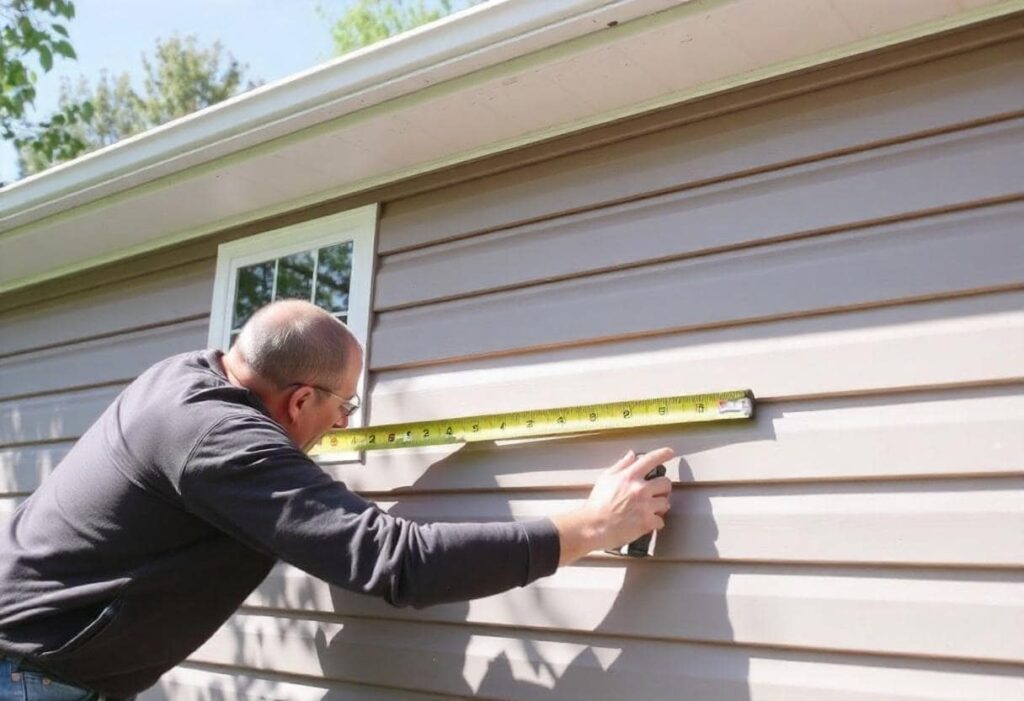
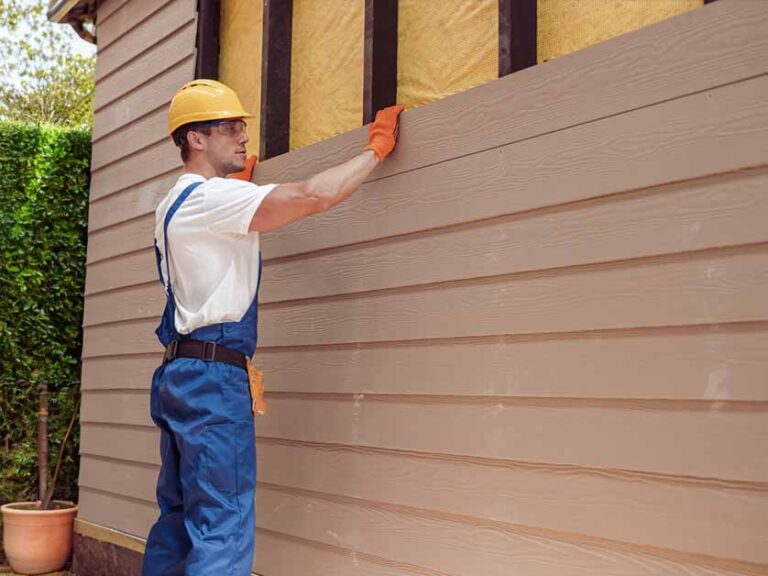
Professional siding installers handle a variety of tasks, from removing old siding and repairing underlying sheathing to cutting and fitting new siding panels with precision. They use specialized tools and installation techniques to secure siding so it can expand and contract without buckling.
Additionally, installers add protective barriers like house wrap or foam insulation behind siding panels. This extra layer prevents moisture infiltration, improves insulation, and extends the life of both the siding and the structure beneath.
Why Professional Installation Matters
Improperly installed siding can lead to serious issues, such as water damage, mold growth, or warping. While DIY may seem like an option, siding requires detailed knowledge of expansion gaps, sealing, and fastening systems. Professional installers eliminate guesswork, ensuring the siding is aligned, ventilated, and compliant with building codes.
Beyond technical accuracy, professional siding installation maintains warranty coverage from manufacturers. This protects homeowners if a product defect arises, providing long-term peace of mind.
Common Types of Siding Installed
Vinyl Siding
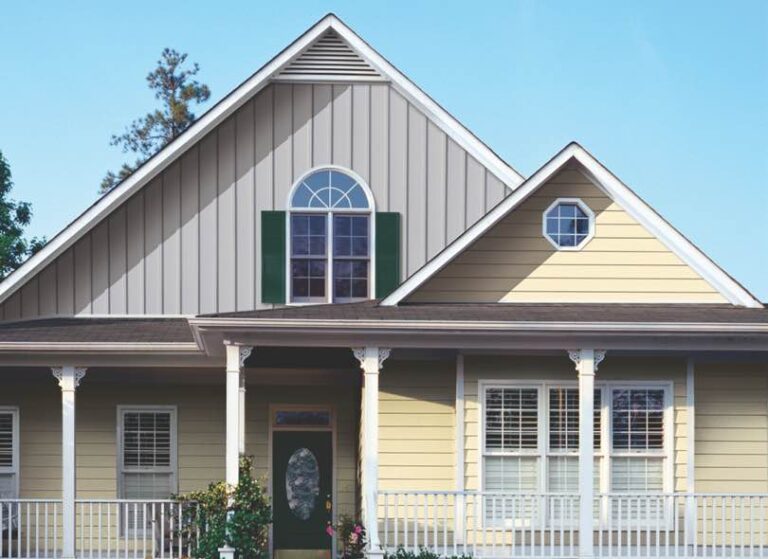
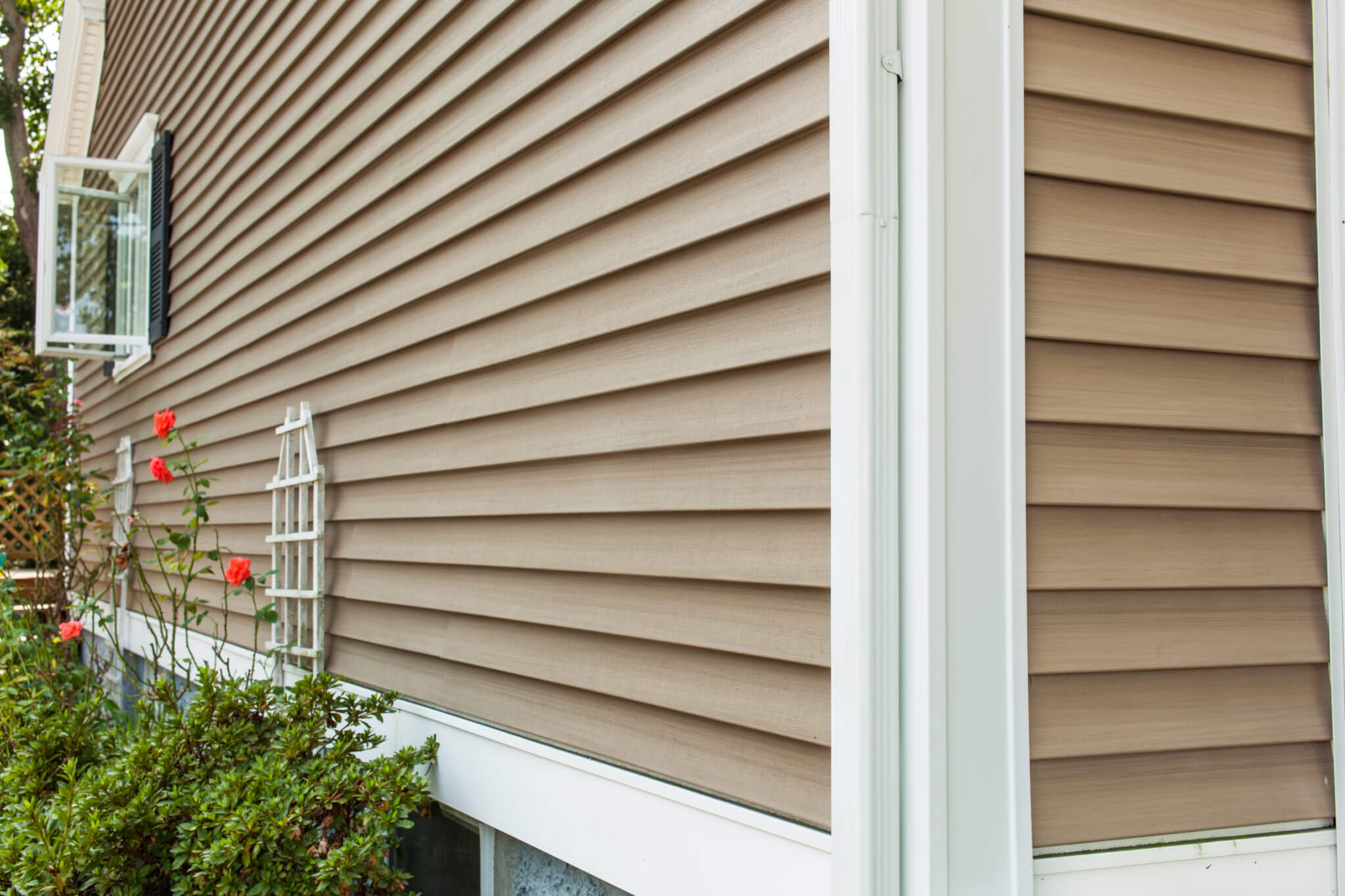
Vinyl siding is one of the most popular choices due to its affordability, variety of colors, and low maintenance. Installers ensure panels interlock tightly to resist wind and rain. With insulated vinyl siding, homeowners also enjoy reduced energy bills.
Professional installers account for vinyl’s natural expansion and contraction, preventing buckling in extreme weather. Done properly, vinyl siding can last decades with minimal upkeep.
Fiber Cement Siding
Fiber cement siding is valued for its strength, durability, and fire resistance. It mimics the appearance of wood but resists pests, moisture, and rot. Because of its weight, fiber cement requires professional handling with specialized tools.
Installers cut and fasten fiber cement panels carefully, sealing joints to block water infiltration. With expert installation, this siding can protect homes for 40 years or more.
Engineered Wood Siding
Engineered wood siding provides the warmth of real wood with improved resistance to decay and insects. Installers focus on sealing cut edges and applying protective finishes, which preserve the siding’s durability.
Homeowners who want a traditional, rustic look often prefer engineered wood. Professional installation ensures it retains beauty without the constant upkeep natural wood requires.
Metal Siding
Metal siding, particularly aluminum or steel, is growing in popularity for modern homes. Its benefits include low maintenance, fire resistance, and longevity.
Because metal expands and contracts, installers use specialized fasteners and techniques to allow flexibility without compromising structural integrity. This siding is ideal for homeowners seeking durability with a modern aesthetic.
Benefits of Hiring Siding Installers
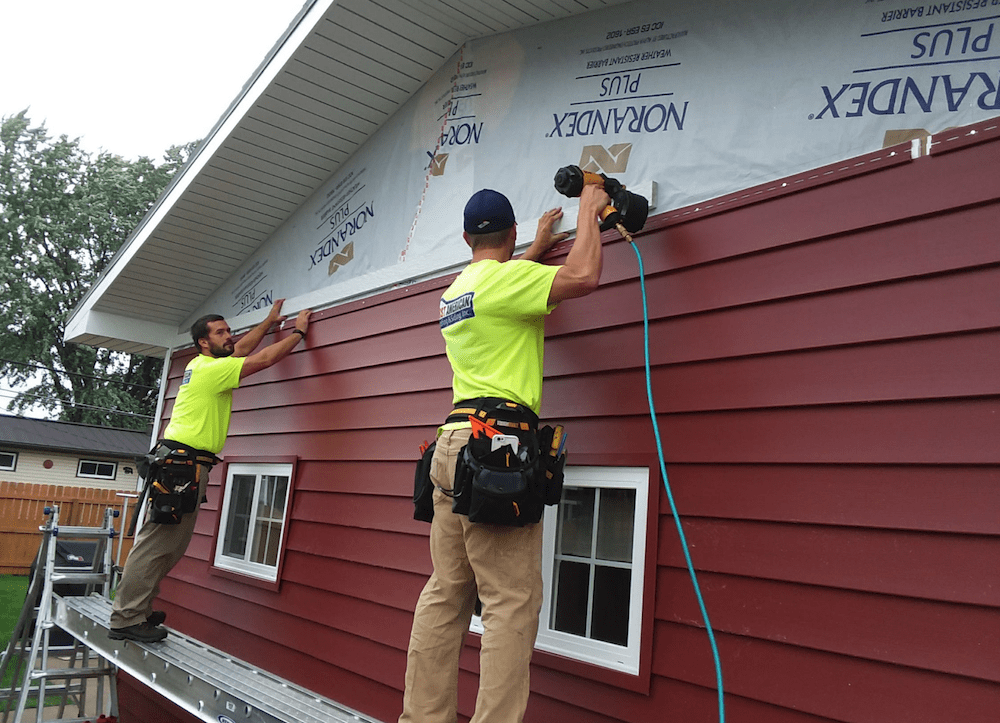
Hiring siding installers in your area comes with several advantages that extend beyond appearance.
First, there’s expert precision. Installers ensure proper alignment, fastening, and sealing, preventing costly issues such as leaks or warping.
Second, siding installation often includes energy efficiency improvements. Professionals may install insulated siding or add weather barriers, reducing energy costs year-round.
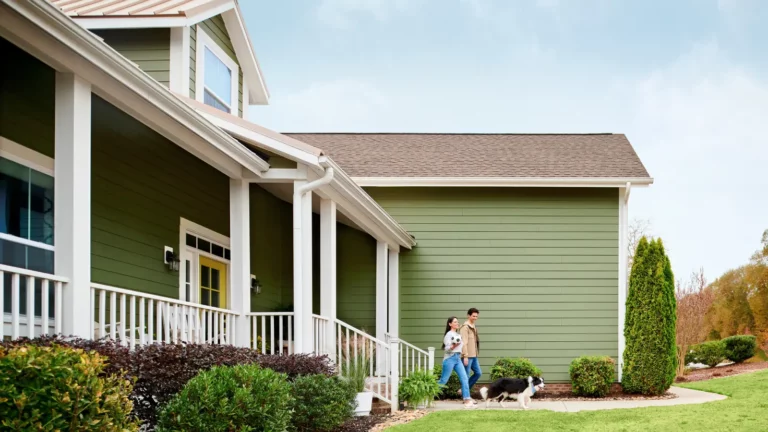
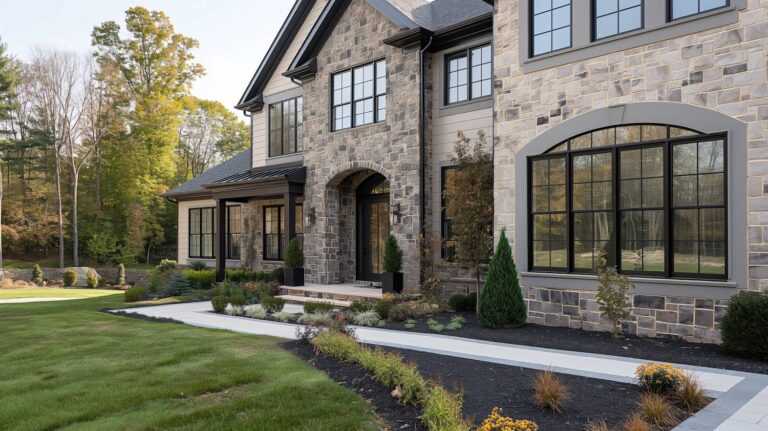
Third, siding installers improve property value and curb appeal. A well-installed exterior looks polished and modern, which is especially important for resale value.
Finally, siding installers bring local expertise. They understand regional climate challenges and recommend siding materials suited to the area, ensuring long-lasting performance.
Real-World Examples of Siding Installation
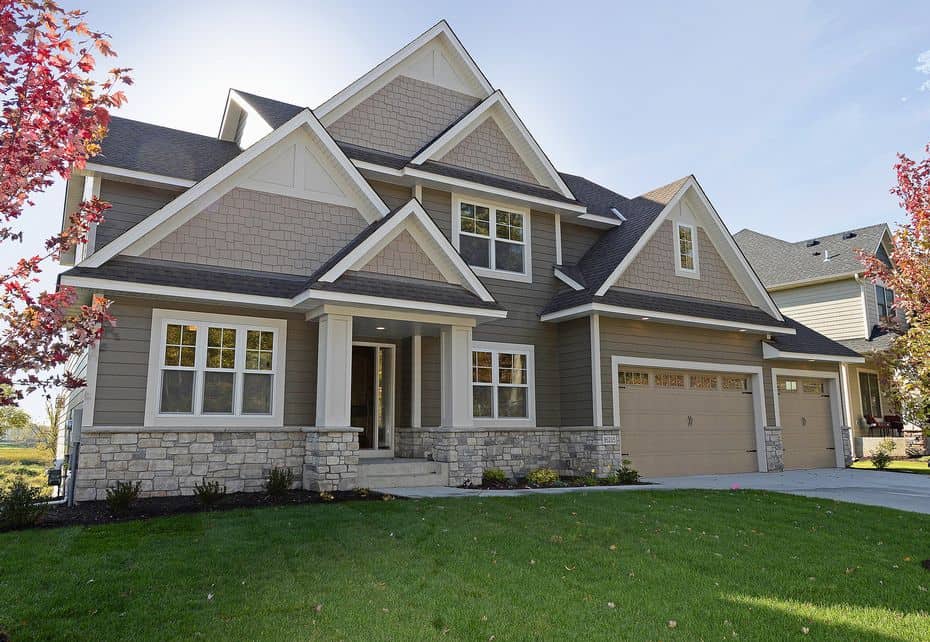
Example 1: Budget-Friendly Vinyl Upgrade
One homeowner wanted to replace old, peeling wood siding with something low-maintenance. Installers recommended vinyl siding, which offered a cost-effective solution and an updated look.
The project not only improved curb appeal but also reduced heating costs, thanks to insulated panels. This shows how installers balance affordability and performance.
Example 2: Fiber Cement in Coastal Environments
Homes near the ocean face unique challenges, including salt spray and heavy winds. A family living on the coast upgraded to fiber cement siding, installed by local experts.
The siding held up against salt air and storms, offering peace of mind and low maintenance. This demonstrates how siding installers adapt solutions to environmental conditions.
Example 3: Engineered Wood for Historic Charm
A homeowner of a historic property wanted siding that preserved the original charm. Installers recommended engineered wood, which offered the warmth of natural timber with added durability.
By sealing edges and applying protective finishes, installers ensured the siding maintained its authentic look while standing up to modern weather conditions.
Example 4: Metal Siding for Modern Homes
A homeowner pursuing a minimalist, modern design worked with installers to add steel siding. The result was a clean, industrial appearance that also resisted fire and pests.
This case highlights how siding installers not only protect homes but also achieve homeowners’ design goals.
Use Cases Where Siding Installers Solve Problems
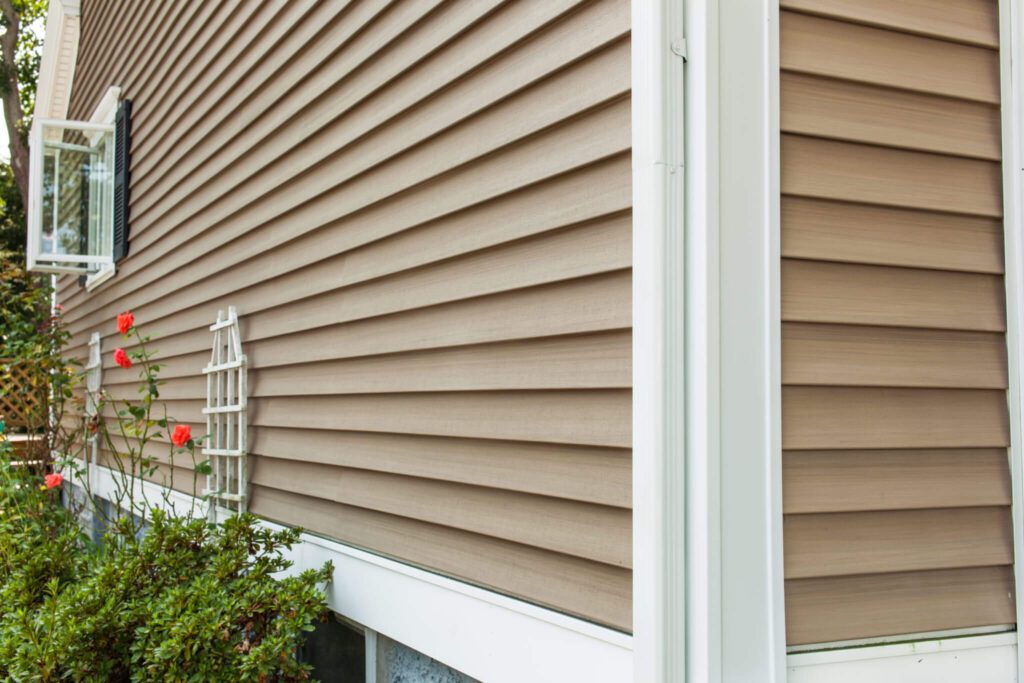
Siding installers play a critical role in solving everyday homeowner problems. For example, in older homes with drafts, they add insulated siding or weather barriers to improve efficiency and comfort.
They also solve moisture issues. Poorly installed or deteriorating siding can allow water to seep in, causing mold or rot. Installers replace damaged siding and properly seal the structure to protect against long-term damage.
Another common use case is increasing property value before selling. Professional siding installation instantly boosts curb appeal, making a home more attractive to buyers.
For homeowners in storm-prone areas, siding installers ensure materials are wind- and impact-resistant, offering protection against extreme weather.
Frequently Asked Questions
1. How do I know when to hire siding installers in my area?
Look for signs such as cracks, fading, warping, or increased energy bills. If your siding is more than 20 years old, it may be time for a professional evaluation and replacement.
2. How long does siding installation usually take?
Most projects take 7–14 days, depending on the size of the home, chosen materials, and weather conditions. Complex projects with structural repairs may take longer.
3. Can siding installers handle partial replacements?
Yes. Installers can repair or replace sections of siding rather than the entire exterior. However, for older siding, a full replacement may be more cost-effective in the long run.