Rotted Siding: Causes, Solutions, and Prevention for Lasting Home Protection
Rotted siding is one of the most common exterior issues faced by homeowners, especially in regions prone to moisture, humidity, or severe weather conditions. Left unaddressed, rotted siding can compromise a home’s structural integrity, reduce energy efficiency, and diminish curb appeal.
Understanding the causes of rotted siding, recognizing its warning signs, and implementing effective solutions are critical steps in protecting your home investment. By identifying the problem early, homeowners can prevent costly repairs and ensure a safe, well-insulated, and attractive exterior.
What Causes Rotted Siding?
Moisture Intrusion
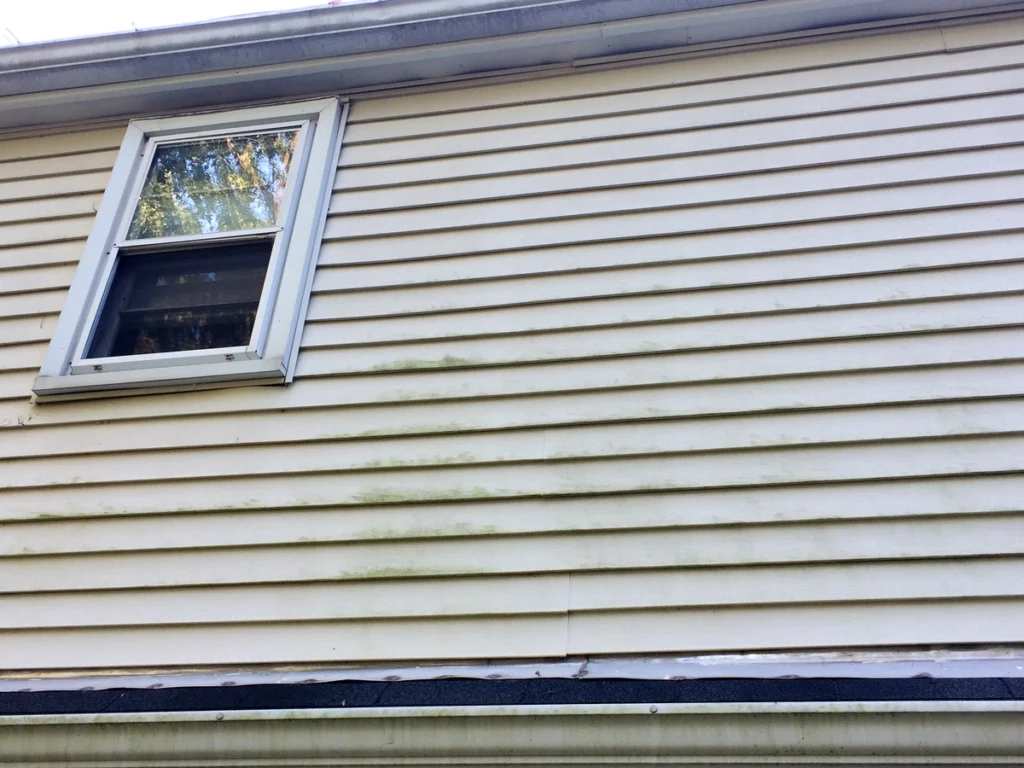
The most common cause of siding rot is moisture intrusion. Rainwater, snow, or even humidity can penetrate siding panels if they are improperly installed, cracked, or lacking sufficient sealing. Once water enters, it creates the perfect environment for rot to develop.
Wood siding, in particular, is highly vulnerable to moisture. Without protective coatings or regular maintenance, it absorbs water and begins to break down over time.
Poor Ventilation and Drainage
Homes without proper ventilation and drainage systems often experience siding issues. When moisture lingers behind panels due to blocked gutters or faulty flashing, it accelerates the decay process.
Even materials like fiber cement or engineered wood can be affected if moisture continuously accumulates without the ability to dry out. This highlights the importance of ensuring that siding is part of a well-designed water management system.
Signs Your Siding May Be Rotting
Visual Cues
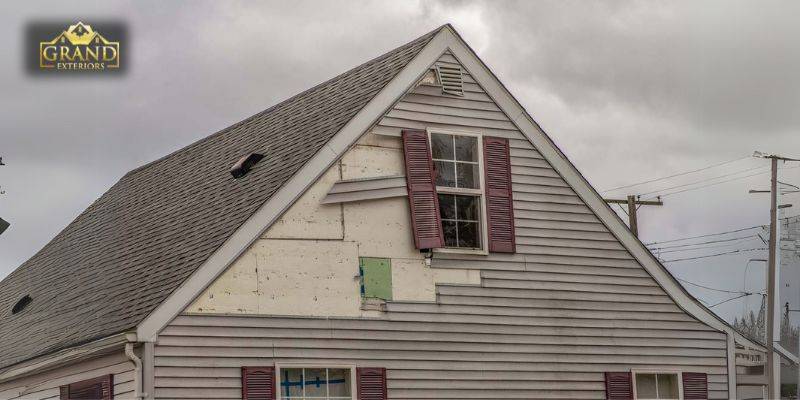
Homeowners should look for signs such as peeling paint, warping panels, or visible cracks. Discoloration or dark streaks on the siding may also indicate trapped moisture. These visual warnings often appear before the damage spreads deeper.
In many cases, rotted siding develops in hidden areas like beneath windows, near the foundation, or behind gutters where water frequently runs. Inspecting these areas regularly can help catch rot early.
Physical Touch and Soft Spots
Another way to detect rot is through physical inspection. Pressing gently on suspicious areas may reveal soft or spongy spots. Unlike solid, intact siding, rotted material loses its firmness.
This softness often indicates that the wood fibers or material structure has been compromised. If left untreated, the rot can spread quickly and undermine entire sections of siding.
Real-World Examples of Rotted Siding
Example 1: Suburban Home with Neglected Wood Siding
A suburban homeowner neglected regular painting and sealing of their wood siding. Over time, moisture from rainfall seeped into cracks, leading to widespread rot. By the time the issue was noticed, several panels had to be replaced.
This case demonstrates how a lack of maintenance accelerates deterioration and highlights the importance of routine inspections.
Example 2: Coastal Property with Humidity Damage
A coastal home experienced constant exposure to humid air and salty winds. Despite having treated the siding, the homeowner discovered rotted sections near the base where splashing water often accumulated.
The damage not only affected the appearance but also caused energy efficiency issues, as moisture seeped into insulation layers. This example shows how environmental conditions play a significant role in siding health.
Example 3: Urban Duplex with Faulty Installation
An urban duplex suffered from poor siding installation. Improper flashing allowed water to leak behind the panels, eventually causing rot along the window frames and corners.
The repairs required replacing damaged siding and correcting installation errors. This scenario illustrates how professional workmanship is essential in preventing siding problems.
Example 4: Historic Home with Untreated Siding
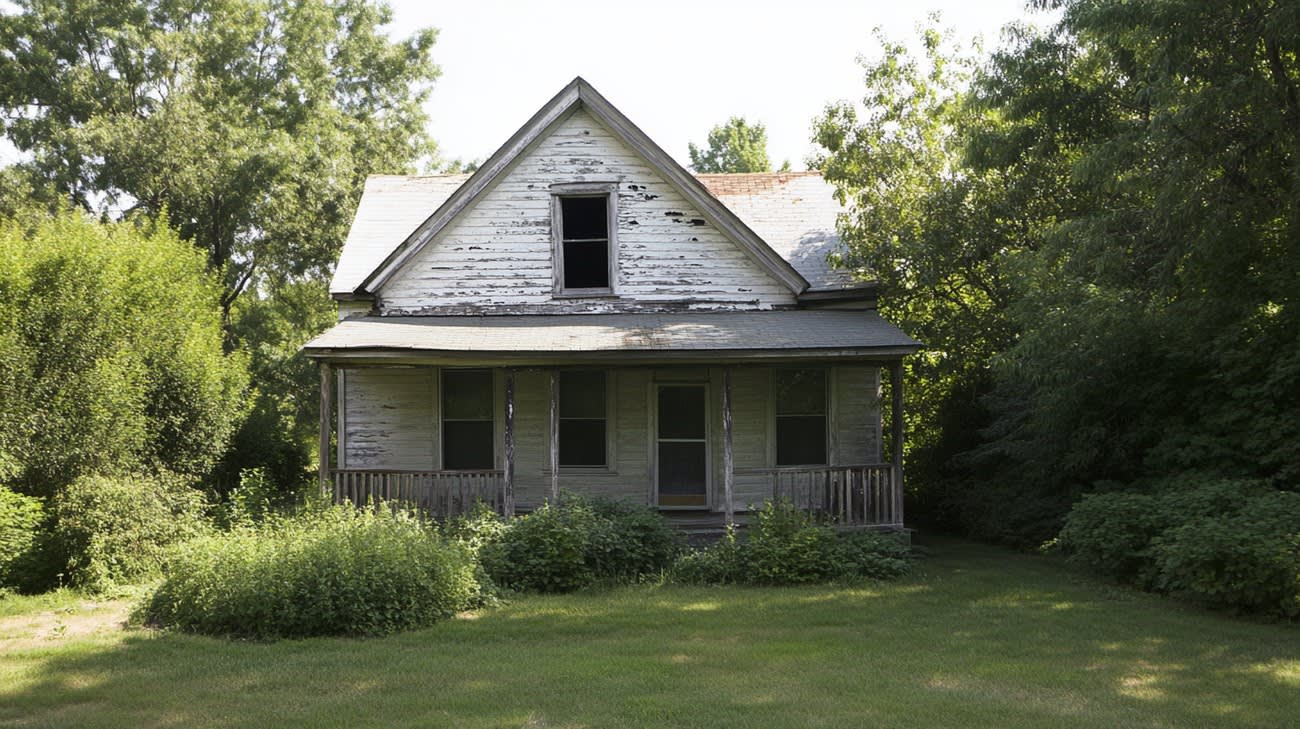
A historic property retained its original wood siding but lacked proper upkeep. Decades without treatment left it vulnerable to water infiltration, resulting in severe rotting across large sections.
The case highlights how even beautiful historic homes require modern solutions to preserve their integrity without compromising style.
Solutions for Rotted Siding
Repairing Minor Damage
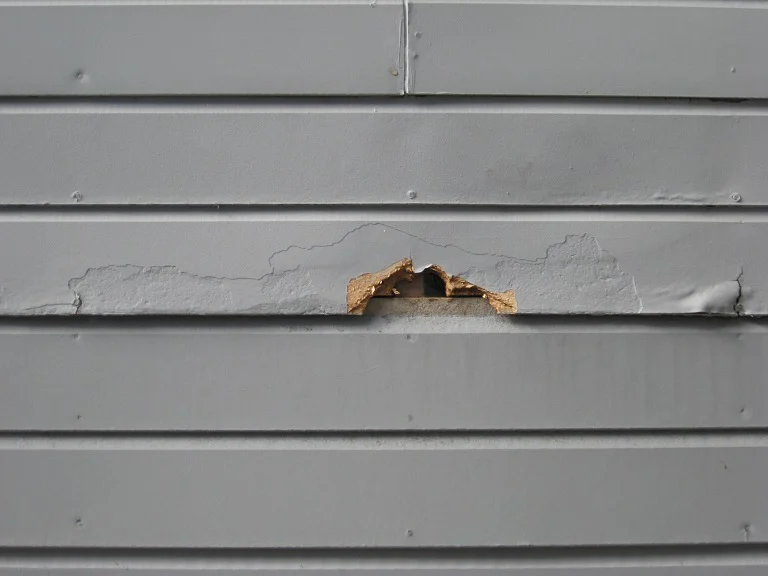
For small, localized areas of rot, homeowners may be able to remove and replace only the affected panels. This process involves cutting out the damaged material, sealing the area, and installing new siding.
However, it’s important to ensure the underlying cause of moisture intrusion is addressed. Without fixing the source, rot will return even after repairs.
Full Replacement for Severe Rot
When siding rot is widespread, full replacement is often the only effective solution. Installing new siding not only restores appearance but also reestablishes proper insulation and protection.
Modern siding options such as vinyl, fiber cement, and engineered wood offer better resistance to moisture and pests, reducing the risk of future rot.
Benefits of Technology in Preventing Rotted Siding
Modern siding technology has advanced significantly, offering homeowners materials designed to withstand moisture and resist decay. Engineered wood siding, for example, uses resins and protective coatings to reduce vulnerability to water.
Fiber cement siding combines cement, sand, and cellulose fibers, creating a material resistant to both rot and insect damage. These technological advancements allow homeowners to invest in exteriors that last longer with less maintenance.
Additionally, innovations in installation techniques, such as advanced flashing systems and breathable house wraps, help create water-resistant barriers. These systems ensure that moisture can escape while preventing water from penetrating siding materials.
Practical Use Cases of Addressing Rotted Siding
One major use case is protecting structural integrity. Untreated rot can spread to sheathing, framing, and even interior walls, leading to expensive repairs. By addressing rotted siding promptly, homeowners safeguard their home’s framework.
Another practical use case is improving energy efficiency. Rotted siding allows air and moisture infiltration, which can increase heating and cooling costs. Replacing damaged siding helps restore insulation performance.
Rotted siding also affects home value. Properties with visible exterior damage often deter buyers and lower resale prices. Repairing or replacing siding not only solves functional problems but also enhances curb appeal and marketability.
Finally, addressing siding rot improves safety. Mold and mildew associated with moisture damage can impact indoor air quality. Replacing rotted siding prevents these health risks from entering the home environment.
Why Preventing Siding Rot Matters
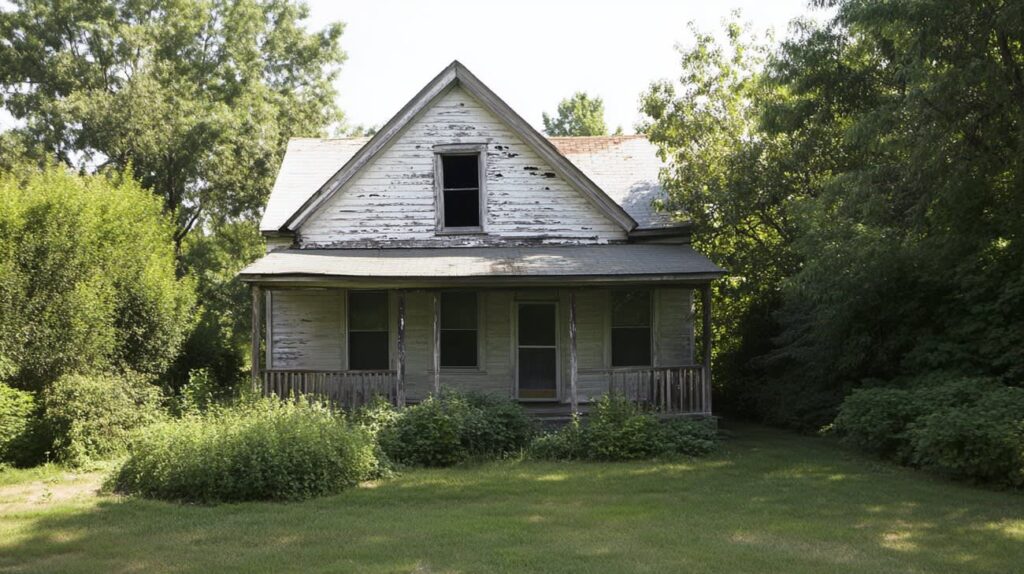
Preventing siding rot ensures long-term savings by avoiding costly structural repairs. It also enhances comfort, as well-sealed siding maintains consistent indoor temperatures.
Moreover, siding that remains intact and free from rot enhances the overall beauty of a home. Homeowners can enjoy peace of mind knowing their investment is protected while their property continues to look appealing.
Frequently Asked Questions
1. Can rotted siding be repaired without replacing the entire wall?
Yes, if the rot is localized, affected panels can often be replaced individually. However, the underlying issue causing moisture intrusion must be corrected to prevent recurrence.
2. What siding materials are most resistant to rot?
Vinyl, fiber cement, and engineered wood are among the most rot-resistant materials available today. They offer durability, low maintenance, and strong protection against moisture.
3. How can I prevent siding from rotting in the first place?
Regular inspections, maintaining gutters, sealing cracks, and choosing rot-resistant siding materials are key preventive measures. Proper installation with moisture barriers also greatly reduces the risk.