Roofing Companies: Complete Guide to Services, Benefits, and Real-World Applications
Roofing companies are essential service providers that specialize in the installation, repair, replacement, and maintenance of roofs for residential, commercial, and public buildings. They combine technical expertise with professional-grade materials to ensure that structures are safe, weather-resistant, and energy-efficient.
The role of roofing companies goes beyond simple construction work. They bring together skilled workers, advanced technology, and knowledge of building codes to provide comprehensive roofing solutions. Whether it’s extending the life of an aging roof or installing modern energy-efficient systems, roofing companies remain at the core of maintaining building safety and functionality.
Core Services Provided by Roofing Companies
Roof Installation
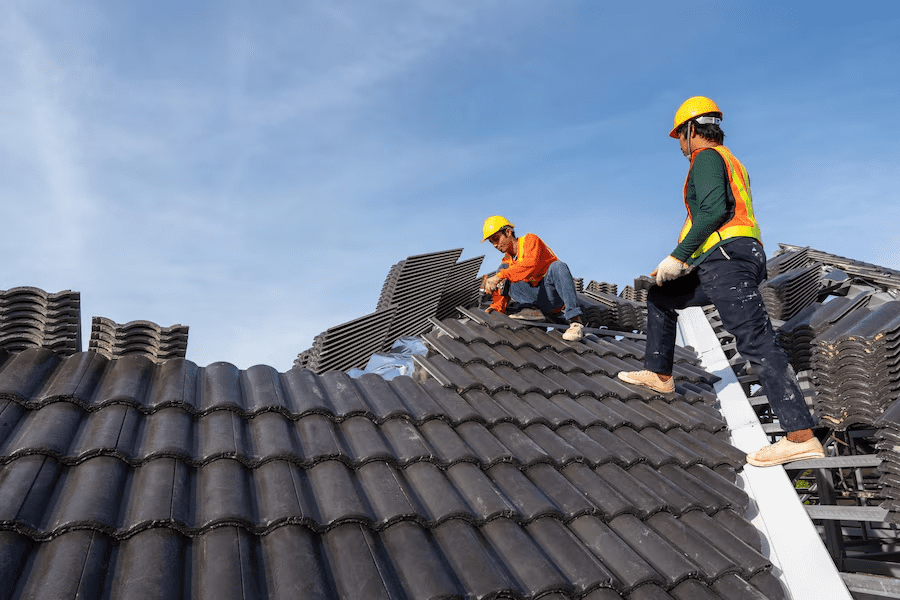
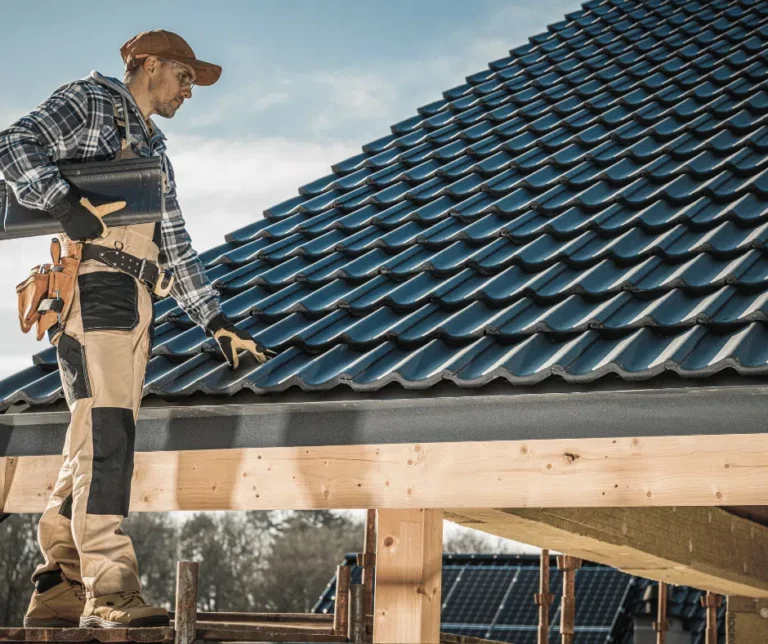
One of the primary responsibilities of roofing companies is the installation of new roofs. This involves assessing structural conditions, recommending suitable materials, and completing the installation in compliance with safety standards.
Professional installation ensures the roof is durable and energy-efficient. Roofing companies are skilled at handling different types of roofs, including pitched, flat, and specialty designs, providing customized solutions based on the property’s requirements.
Roof Repairs
Roofs inevitably face damage from storms, wear, or aging materials. Roofing companies provide repair services to address leaks, broken shingles, and water damage. Timely repairs prevent structural issues from escalating into costly replacements.
By choosing experienced professionals, property owners gain peace of mind knowing that repairs are completed using quality materials and proven techniques to restore roof integrity.
Roof Replacement
When a roof reaches the end of its service life, roofing companies manage complete replacements. This process involves removing the old roofing system, preparing the structure, and installing a new, long-lasting solution.
Roof replacements also allow homeowners and businesses to upgrade to energy-efficient materials, improving comfort while lowering long-term energy expenses.
Roof Maintenance and Inspections
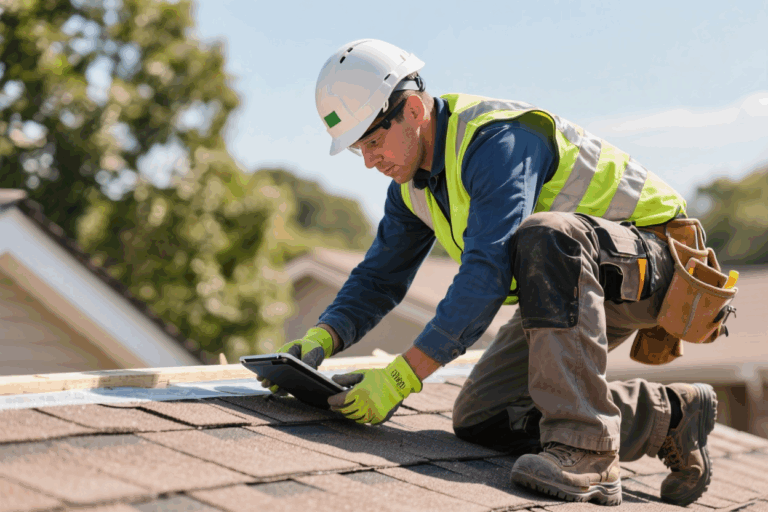
Regular maintenance is critical for extending the roof’s lifespan. Roofing companies offer inspection services that identify early signs of damage. Maintenance often includes gutter cleaning, flashing checks, and repairing minor issues before they grow.
These preventative measures reduce long-term costs and ensure the roof continues to protect the building effectively.
Benefits of Hiring Professional Roofing Companies
Expertise and Safety
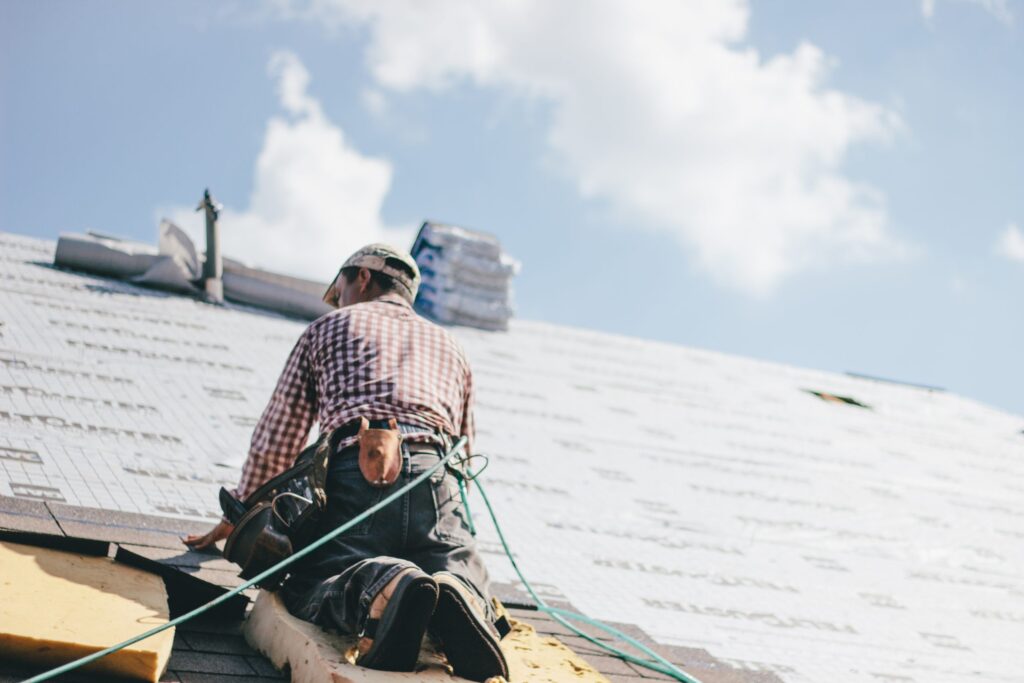
Roofing is a specialized trade requiring skill and experience. Roofing companies employ trained professionals who know how to handle complex installations and repairs safely. Their adherence to safety protocols reduces risks for both workers and property owners.
Advanced Technology
Roofing companies increasingly use modern tools to improve efficiency and accuracy. Drones conduct inspections safely, while infrared scanning identifies hidden leaks. Estimating software provides detailed project outlines, ensuring transparency in costs and timelines.
Long-Term Cost Savings
While professional roofing services may involve higher upfront costs, they save money over time. Proper installation and maintenance extend roof lifespan, reduce energy bills, and minimize the frequency of major repairs.
Compliance with Codes and Standards
Roofing companies are familiar with local building codes, ensuring that projects meet legal requirements. This protects property owners from costly fines and ensures safety compliance.
Real-World Examples of Roofing Company Projects
Example 1: Asphalt Shingle Roof for Suburban Homes
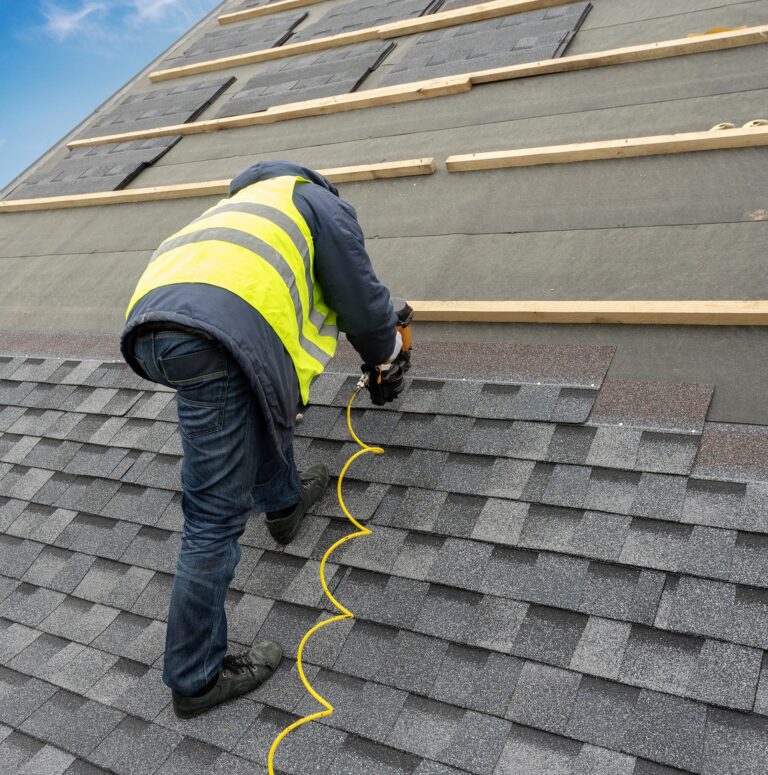
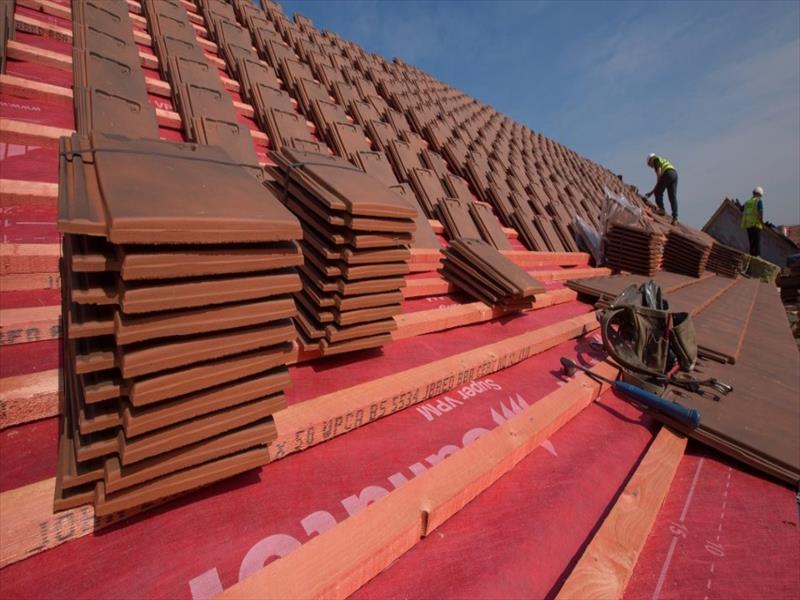
Many roofing companies specialize in asphalt shingles, one of the most popular residential roofing materials. These shingles provide affordability, durability, and a wide range of design options.
For suburban homes, asphalt shingles deliver excellent weather resistance and curb appeal, making them a trusted choice among roofing companies nationwide.
Example 2: Metal Roofing for Industrial Facilities
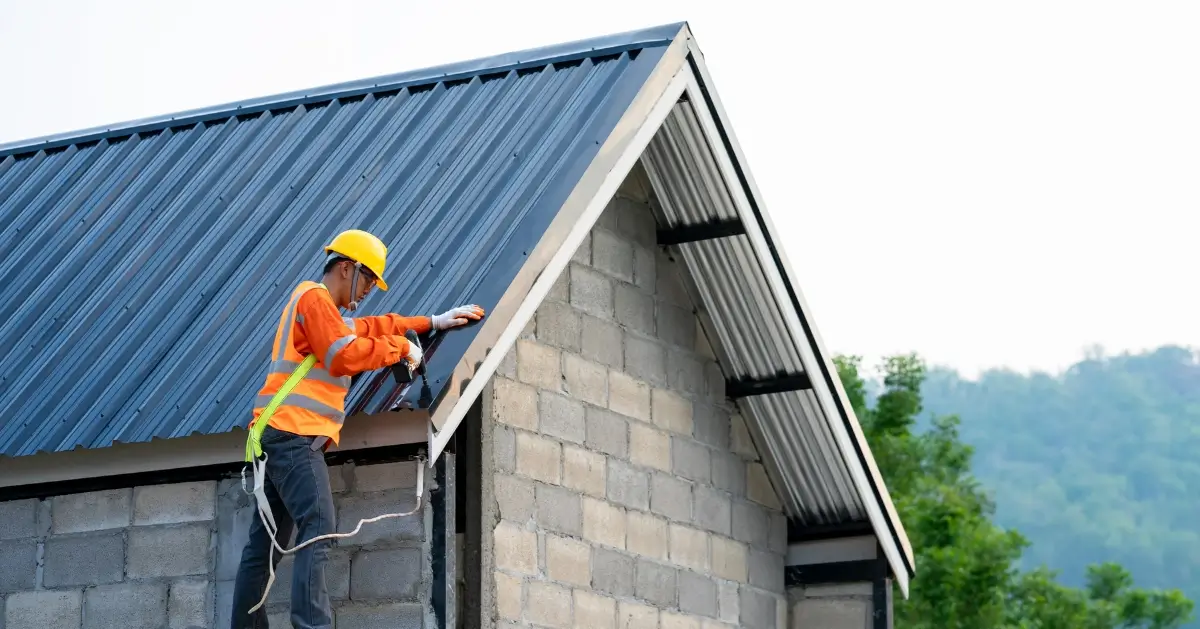
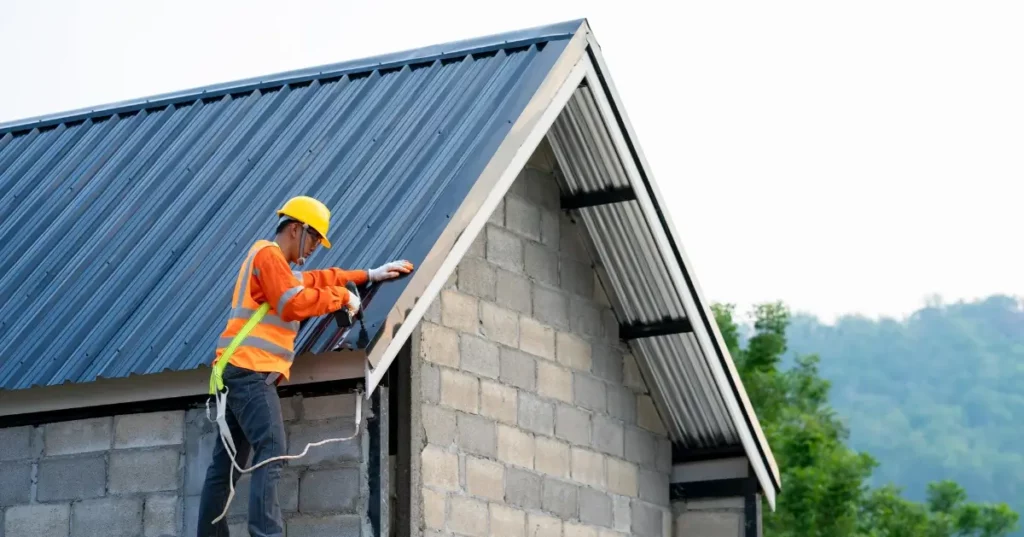
Industrial buildings often require strong, long-lasting roofs. Roofing companies install metal roofing systems, which provide durability, fire resistance, and low maintenance.
Contractors ensure the precise installation of panels, allowing these roofs to withstand extreme weather conditions while offering energy efficiency for large industrial spaces.
Example 3: Slate Roofing for Historic Properties
Slate is a premium roofing material that lasts over a century with proper care. Roofing companies specializing in slate roofing preserve the authenticity of historic buildings while providing unmatched durability.
This solution is popular for high-end properties, combining elegance with resilience against fire and water damage.
Example 4: Flat Roofing for Commercial Complexes
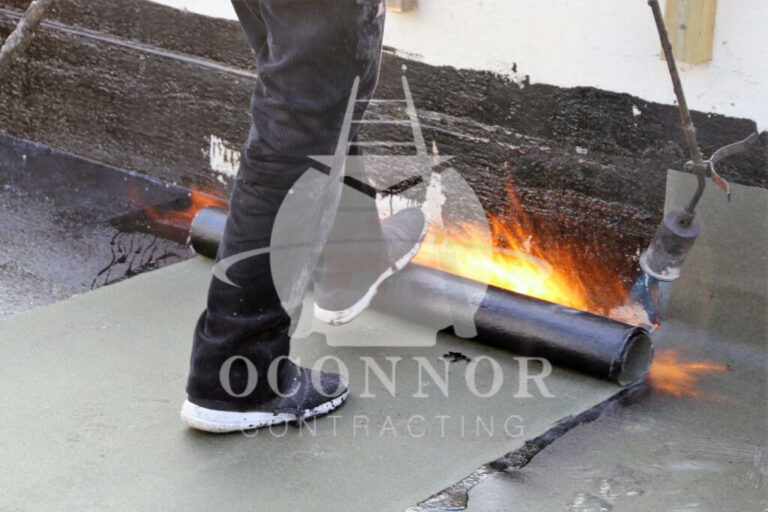
Commercial roofing companies often install flat systems such as TPO, EPDM, or built-up roofing. These systems are designed to support HVAC units, improve insulation, and withstand heavy use.
Flat roofs require specialized knowledge, and roofing companies ensure these systems are properly installed and maintained for maximum efficiency.
Practical Benefits of Roofing Companies in Real Life
Roofing companies provide long-term solutions that extend far beyond installation. Their services protect homes, safeguard businesses, and maintain public infrastructure. Property owners benefit from reduced repair costs, increased property values, and improved energy efficiency.
By relying on professional companies, clients gain access to expertise, warranties, and customer support that ensure lasting results.
Use Cases of Roofing Companies

Residential Homes
Homeowners depend on roofing companies to install, repair, and maintain roofs that protect families and belongings. Their services also enhance property aesthetics and resale value.
Commercial Properties
Businesses use roofing companies to safeguard equipment, inventory, and employees. Professional contractors also help reduce operating costs through energy-efficient roofing solutions.
Public Sector and Institutions
Schools, hospitals, and government buildings rely on roofing companies to provide durable and compliant systems that ensure safety for large groups of people.
Frequently Asked Questions
1. How often should I contact roofing companies for inspections?
At least twice a year—typically in spring and fall—and after severe weather. Regular inspections help prevent small issues from turning into major problems.
2. What materials do roofing companies commonly use?
Common materials include asphalt shingles, metal, slate, tile, and flat roofing systems such as TPO or EPDM. The choice depends on the property type, budget, and climate.
3. Why should I hire roofing companies instead of individual contractors?
Roofing companies offer larger teams, advanced equipment, and broader expertise. They often provide warranties, insurance coverage, and better compliance with regulations, giving property owners added peace of mind.