Roof Commercial Solutions: Comprehensive Guide to Materials, Benefits, and Use Cases
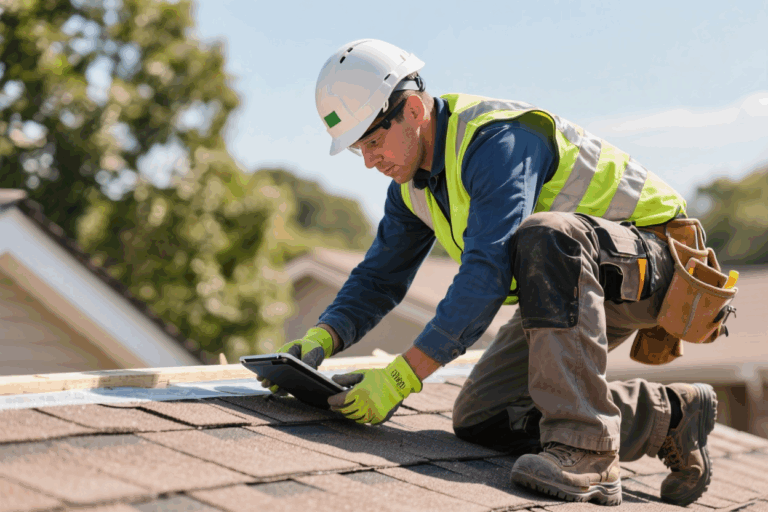
Commercial roofing plays a critical role in protecting large buildings such as warehouses, offices, schools, shopping centers, and hospitals. Unlike residential roofing, which is typically sloped, commercial roofing often involves flat or low-slope systems that require specialized materials and techniques. The design, installation, and maintenance of a commercial roof system directly affect a building’s performance, energy consumption, and longevity.
In the commercial construction industry, roofing is not only about shelter but also about cost efficiency, environmental sustainability, and operational reliability. A well-installed commercial roof solution can help minimize repair costs, extend a building’s lifespan, and improve energy savings. This makes understanding the details of commercial roofing materials and systems essential for building owners and facility managers.
Types of Roof Commercial Materials
Single-Ply Membrane Roofing
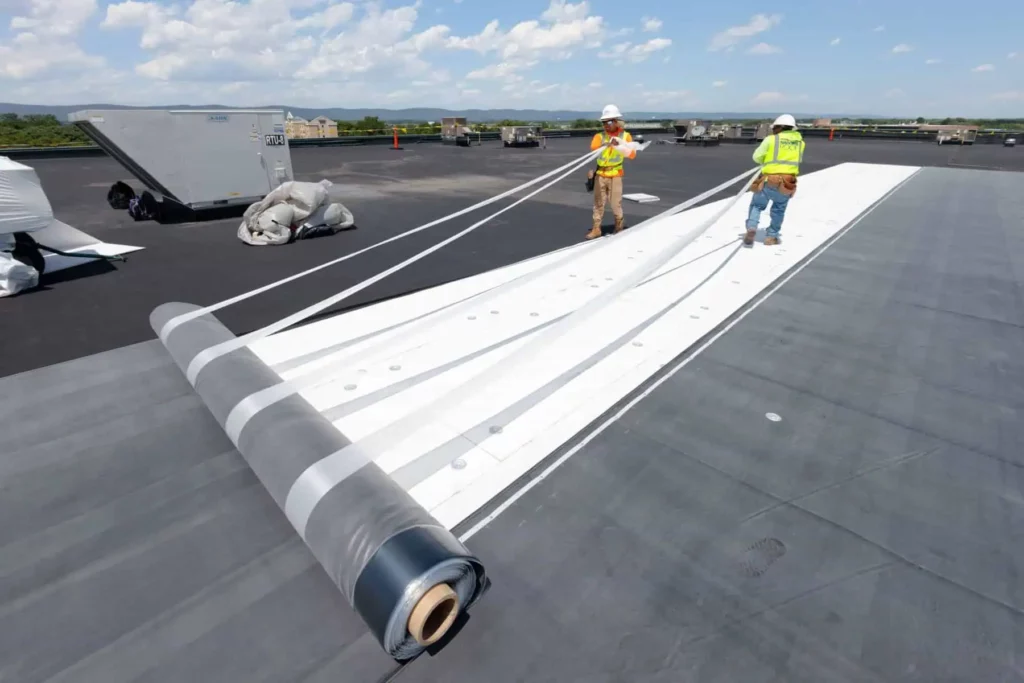
Single-ply membrane roofing is one of the most popular commercial roofing systems today. It consists of flexible sheets made from synthetic polymer, most commonly TPO (thermoplastic polyolefin), PVC (polyvinyl chloride), and EPDM (ethylene propylene diene terpolymer).
These membranes are lightweight, easy to install, and offer excellent resistance to UV radiation and weather conditions. TPO roofing, for example, is highly reflective, reducing heat absorption and lowering cooling costs. EPDM, on the other hand, is known for its durability and weather resistance, making it a reliable option in regions with extreme temperatures.
Single-ply membranes are usually installed with mechanical fasteners, adhesives, or ballasting, depending on the building structure. Their versatility makes them a preferred choice for modern commercial buildings.
Built-Up Roofing (BUR)
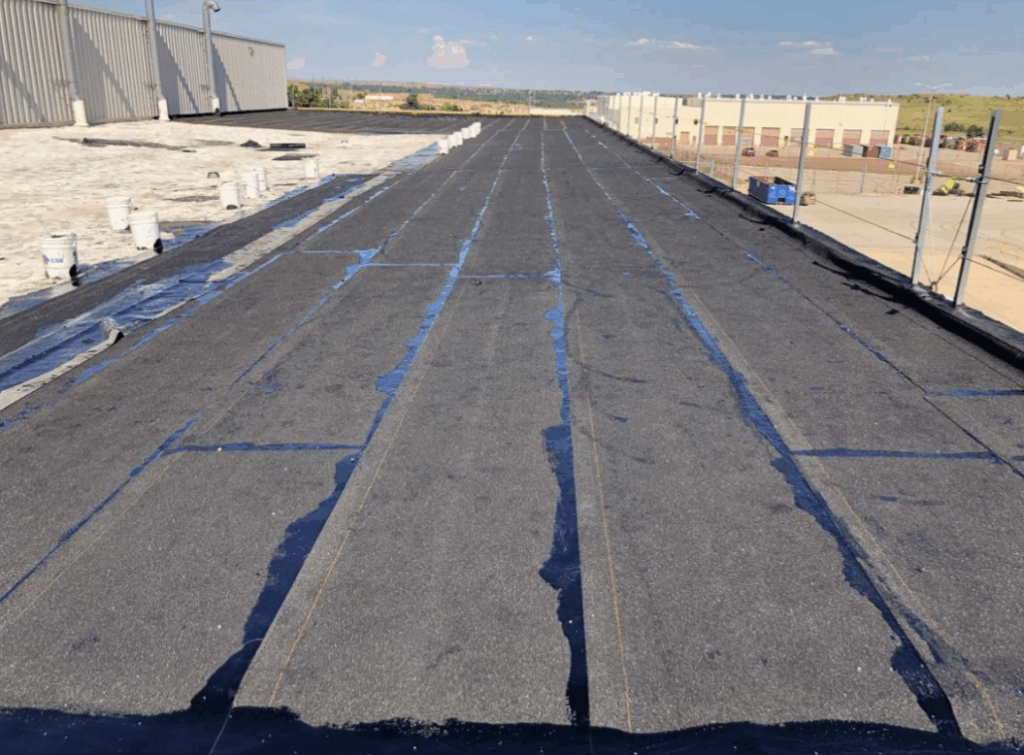
Built-up roofing, commonly known as BUR, is a traditional commercial roof solution that has been used for over a century. It is created by layering asphalt with reinforcing fabrics, finished with a protective surface such as gravel.
BUR systems are extremely durable and provide excellent waterproofing. The multiple layers act as a safeguard against leaks, making BUR particularly useful for large flat roofs. While installation can be labor-intensive, the longevity of a BUR roof often justifies the investment. Building owners appreciate its proven performance and resistance to heavy foot traffic.
Metal Roofing Systems
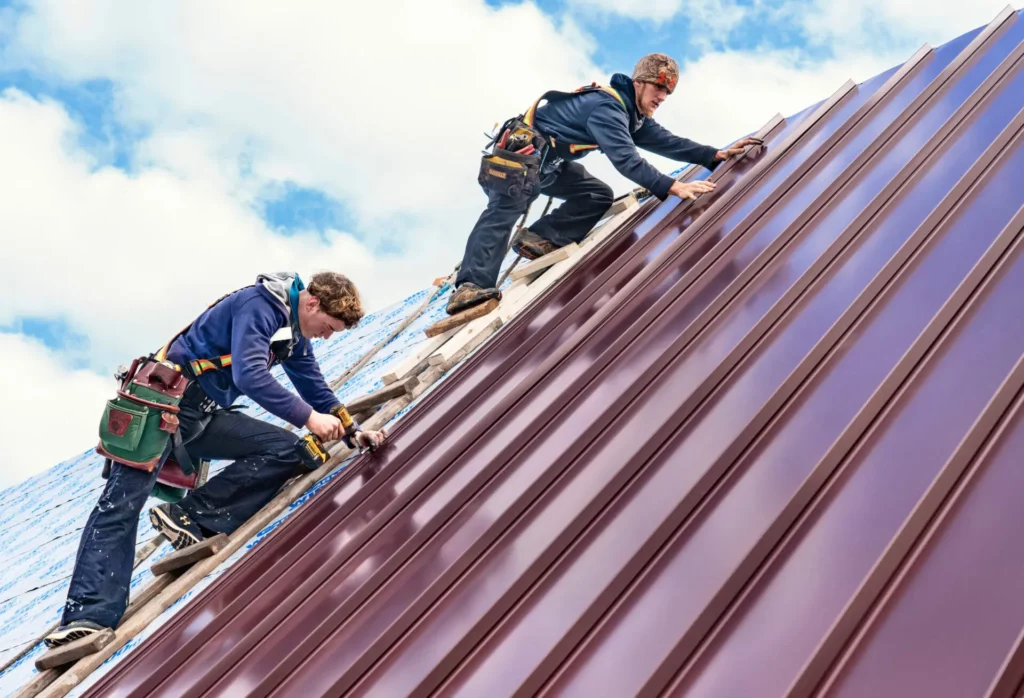
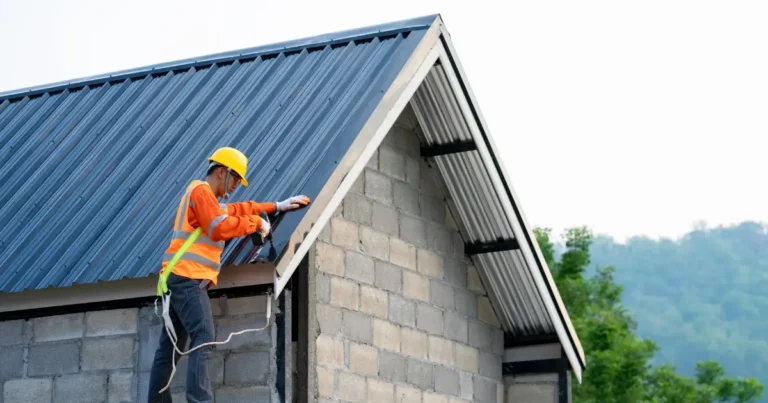
Metal roofing is another widely used commercial solution, especially in industrial facilities, warehouses, and modern office complexes. Common metals include steel, aluminum, and copper. These roofs are designed to withstand extreme weather conditions, including heavy snow, high winds, and even fire.
Metal roofing systems offer longevity, often lasting 40–70 years with proper maintenance. They are also recyclable, making them environmentally sustainable. The reflective nature of metal helps reduce heat absorption, which can contribute to energy efficiency in commercial buildings.
Modified Bitumen Roofing
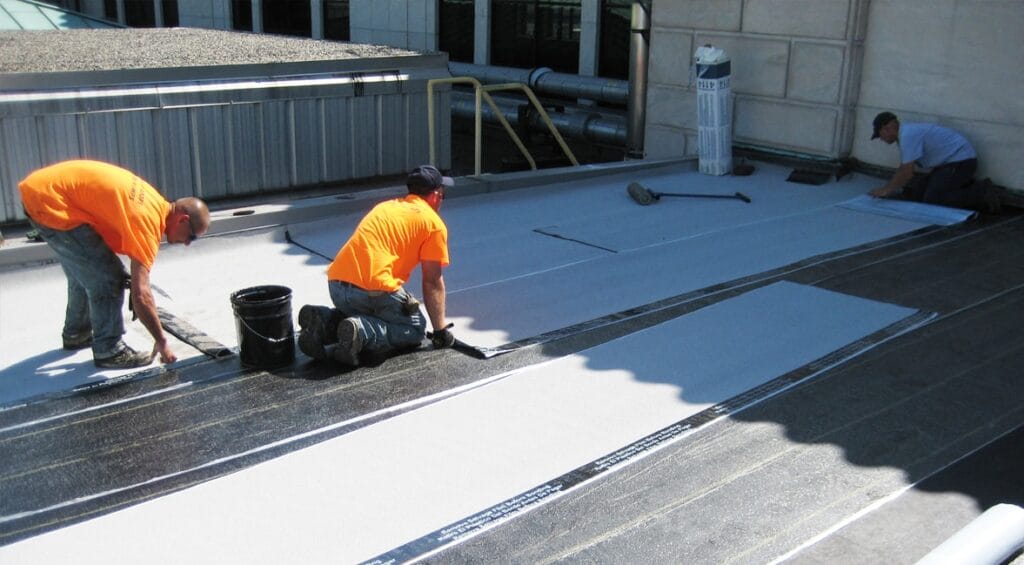
Modified bitumen is an evolution of traditional BUR systems, combining asphalt with rubber or plastic-based polymers. This makes the material more flexible and resistant to temperature fluctuations.
Modified bitumen roofing is typically installed in multiple layers and can be applied using heat, cold adhesives, or self-adhering sheets. Its resilience and waterproofing ability make it a popular choice for commercial properties where durability is crucial. Building owners often select this system for its balance of affordability, strength, and performance.
Benefits of Roof Commercial Systems
Enhanced Durability and Longevity
A primary benefit of commercial roof systems is their ability to withstand diverse weather conditions while maintaining structural integrity. For instance, metal and modified bitumen roofs can last decades with minimal repairs. This longevity reduces the overall cost of ownership, making them a cost-effective investment.
Improved Energy Efficiency
Many commercial roofing systems, especially TPO and metal, offer reflective surfaces that reduce heat absorption. By lowering indoor cooling demands, these roofs significantly cut down on energy consumption. This directly impacts operational costs for businesses and contributes to sustainability goals.
Environmental Sustainability
Modern commercial roofing solutions often incorporate recyclable materials and energy-saving technologies. For example, metal roofing is 100% recyclable, and single-ply membranes often include eco-friendly components. These features align with green building standards, helping businesses reduce their carbon footprint.
Safety and Protection
Roof commercial systems are designed to handle heavy loads, resist fire, and provide superior waterproofing. This ensures that business operations remain uninterrupted and that valuable assets inside the building are well-protected from environmental threats.
Real-World Examples of Roof Commercial Systems
Example 1: TPO Roofing in Retail Centers
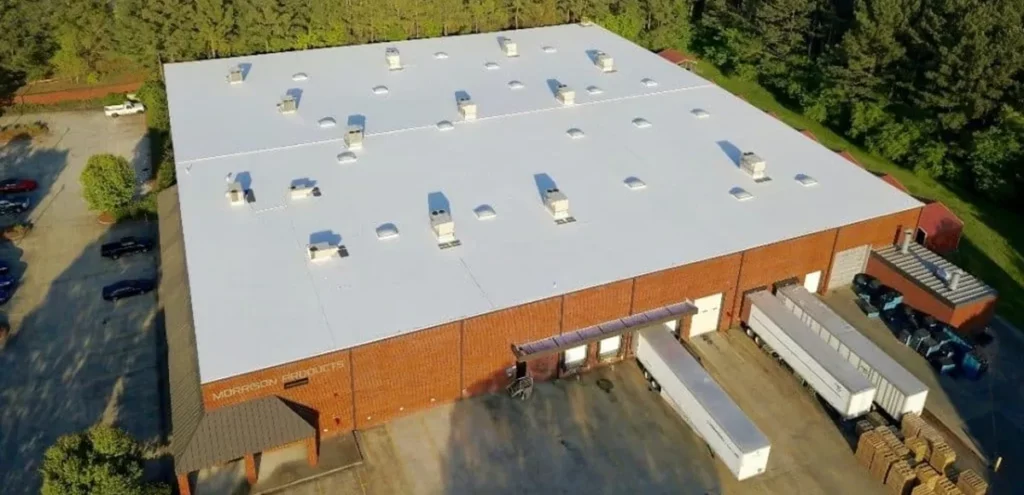
Many modern shopping centers adopt TPO roofing for its reflective surface and energy efficiency. In large retail buildings, cooling costs can be significant. By installing TPO membranes, facility managers achieve notable savings on air conditioning expenses while ensuring reliable weather protection.
The lightweight nature of TPO also simplifies installation on expansive flat roofs, minimizing structural strain. As a result, shopping centers benefit from both cost-effectiveness and long-term durability.
Example 2: BUR Roofing in Schools
Educational institutions often rely on BUR roofing due to its longevity and reliability. Schools typically require roofs that can handle high foot traffic from maintenance teams, as well as heavy equipment like HVAC units.
The layered structure of BUR ensures resistance to leaks, which is critical for maintaining safe learning environments. By choosing BUR, schools can focus on long-term building protection without frequent disruptions from roof repairs.
Example 3: Metal Roofing in Warehouses
Warehouses benefit significantly from metal roofing systems. These buildings often house valuable inventory that must be safeguarded against moisture and extreme temperatures. Metal roofs offer exceptional durability and can last for decades, reducing the risk of costly damage.
In addition, the reflective properties of metal roofing contribute to maintaining stable interior temperatures, which is particularly beneficial for temperature-sensitive storage. For businesses, this translates to lower energy expenses and improved operational reliability.
Example 4: Modified Bitumen in Hospitals
Healthcare facilities like hospitals require roofing systems with maximum reliability. Modified bitumen roofing provides the resilience needed to handle continuous operation and high-performance requirements.
The material’s flexibility ensures that it can adapt to structural movement and temperature changes without cracking. This stability is vital in hospitals, where uninterrupted operations and safety are paramount. Modified bitumen roofs offer a strong balance between cost-efficiency and uncompromising protection.
Use Cases for Roof Commercial Systems
Large-Scale Office Buildings
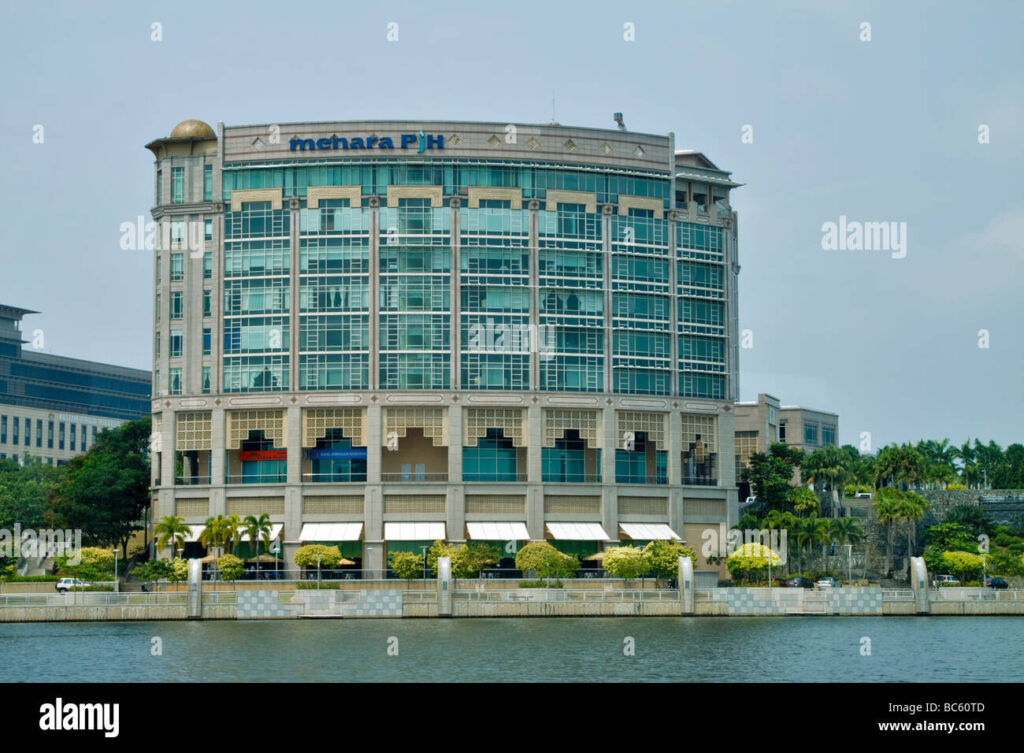
Office buildings often feature low-slope roofs that demand reliable waterproofing and energy efficiency. Single-ply membranes and metal roofing systems are ideal solutions, helping reduce long-term utility expenses and maintaining a comfortable environment for occupants.
Industrial Facilities
Industrial facilities require roofs that can withstand heavy machinery vibrations, exposure to chemicals, and extreme weather. Metal and modified bitumen systems provide the durability and strength necessary to ensure smooth operations without frequent maintenance disruptions.
Public Institutions
Government buildings, schools, and hospitals need roofing solutions with proven reliability. BUR and modified bitumen roofs are often chosen for these institutions because of their resilience, longevity, and ability to handle high traffic on the rooftop.
Frequently Asked Questions
1. What is the average lifespan of a commercial roofing system? The lifespan varies depending on the material. Single-ply membranes generally last 20–30 years, while metal roofs can last up to 70 years. BUR and modified bitumen systems typically provide 20–40 years of service with proper maintenance.
2. How do I know which roof commercial system is best for my building? The choice depends on factors such as building type, climate, budget, and energy efficiency goals. Consulting with a professional roofing contractor can help determine the best fit for your specific needs.
3. Are commercial roofing systems environmentally friendly? Yes, many modern systems incorporate recyclable materials and energy-saving designs. Metal roofs, for instance, are fully recyclable, while TPO membranes help reduce energy consumption by reflecting sunlight.