Residential Fence Installation: Complete Guide to Choosing, Installing, and Benefits
Residential fence installation is one of the most common property improvement projects for homeowners. A well-installed fence not only enhances the appearance of a property but also improves security, privacy, and overall value. Homeowners across different regions choose fences to create boundaries, protect their families and pets, and complement the aesthetic design of their homes.
The process of residential fence installation involves more than simply placing posts and panels. It requires careful planning, choosing the right materials, understanding local zoning regulations, and proper installation techniques. Each decision directly impacts the durability, functionality, and long-term satisfaction of the fence.
Importance of Planning Before Fence Installation
The first step in residential fence installation is thorough planning. Homeowners need to identify the purpose of the fence, whether for privacy, security, decoration, or pet containment. By defining these goals, it becomes easier to choose the right fence type and material.
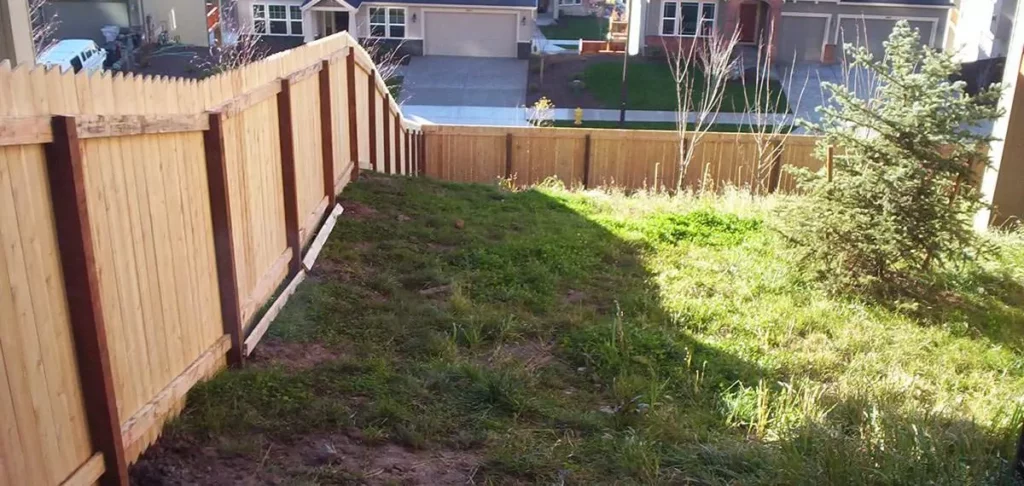
Another critical part of planning is measuring the property lines accurately. This avoids disputes with neighbors and ensures compliance with local laws. Checking zoning rules and homeowner association regulations is equally important because some communities have specific height limits or design restrictions for fences.
A well-planned installation also includes budgeting. Fence costs vary depending on material, height, and length. Factoring in labor, maintenance, and potential permits ensures the project stays within financial expectations.
Types of Residential Fences
Choosing the right fence type plays a central role in how well the installation serves its purpose. Each material has unique benefits, appearance, and maintenance requirements.
Wooden Fences
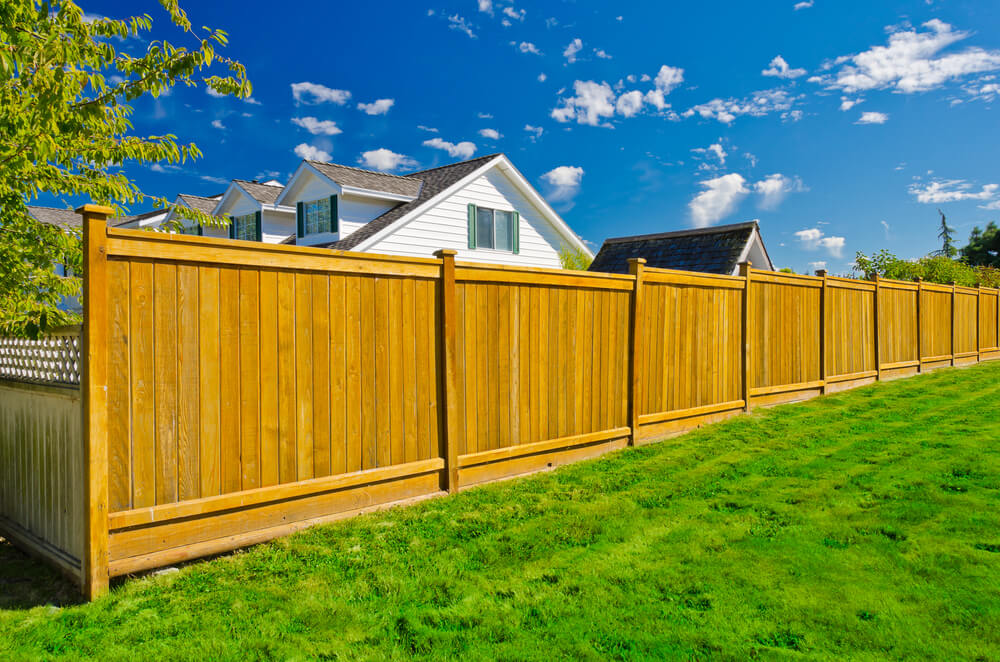
Wooden fences are among the most popular choices for residential properties. They offer a natural look that blends well with gardens and outdoor spaces. Homeowners appreciate wood because it can be customized through painting or staining.
A wooden fence provides excellent privacy and security when built tall with closely placed boards. However, it requires regular maintenance, such as sealing and repainting, to protect against weather damage and pests. When maintained properly, a quality wooden fence can last for decades.
Vinyl Fences
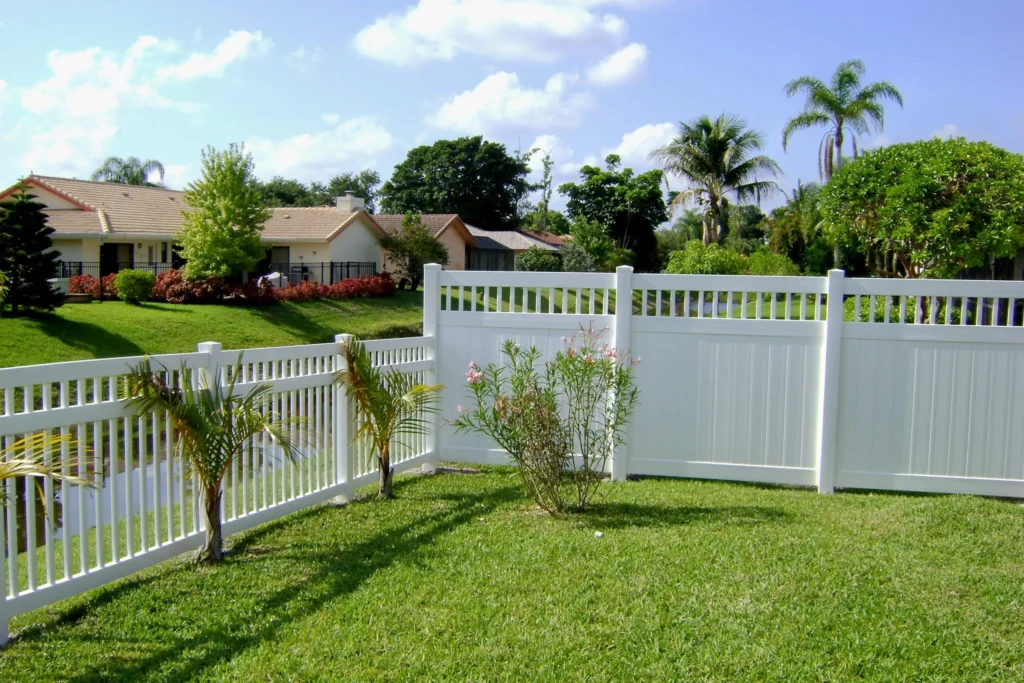
Vinyl fences have become a modern alternative to wood. They are known for their durability and low maintenance. Unlike wood, vinyl does not rot, fade, or require painting. Many homeowners prefer vinyl because it provides a clean, polished look that complements various house styles.
Vinyl fencing is especially popular for families who want a long-lasting solution with minimal upkeep. Though the upfront cost may be higher, the long-term savings in maintenance make it a smart investment.
Chain Link Fences

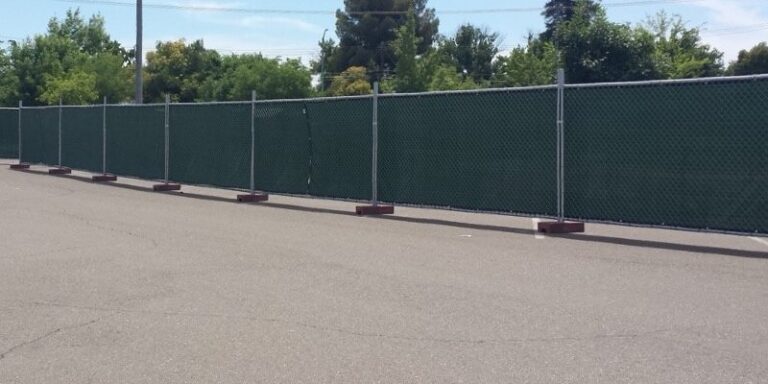
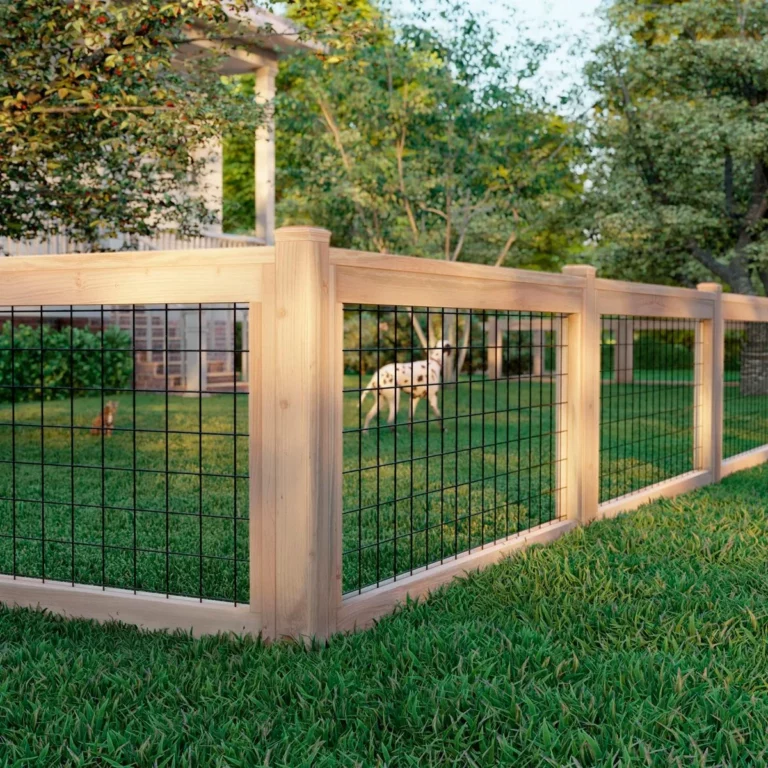
Chain link fences are commonly used for affordability and practicality. They are not as decorative as wood or vinyl, but they are effective for securing pets and children in backyards. Some homeowners enhance their chain link fences with privacy slats or climbing plants to improve aesthetics.
This type of fence is especially useful for larger properties where cost efficiency is important. Its durability against weather conditions also makes it a reliable choice for long-term use.
Benefits of Residential Fence Installation
Installing a residential fence provides multiple benefits that go beyond appearance.
Enhanced Privacy and Security
One of the primary reasons homeowners install fences is to increase privacy. Tall, solid fences prevent neighbors or passersby from seeing into the property. This creates a comfortable outdoor space for families to relax.
Security is another major advantage. Fences deter trespassers and protect pets and children from wandering outside. When combined with gates and locks, fences form a strong barrier that enhances home safety.
Property Value and Aesthetic Appeal
A well-installed fence contributes to the overall curb appeal of a property. Homebuyers often see fences as a valuable addition, especially when they enhance landscaping and architecture. This can increase resale value and make properties more attractive in competitive markets.
Fences also allow homeowners to express their style. Whether through modern vinyl, rustic wood, or functional chain link, fences can be chosen to match the character of the home.
Real-World Examples of Residential Fence Installations
Example 1: Privacy Wooden Fence for Suburban Home
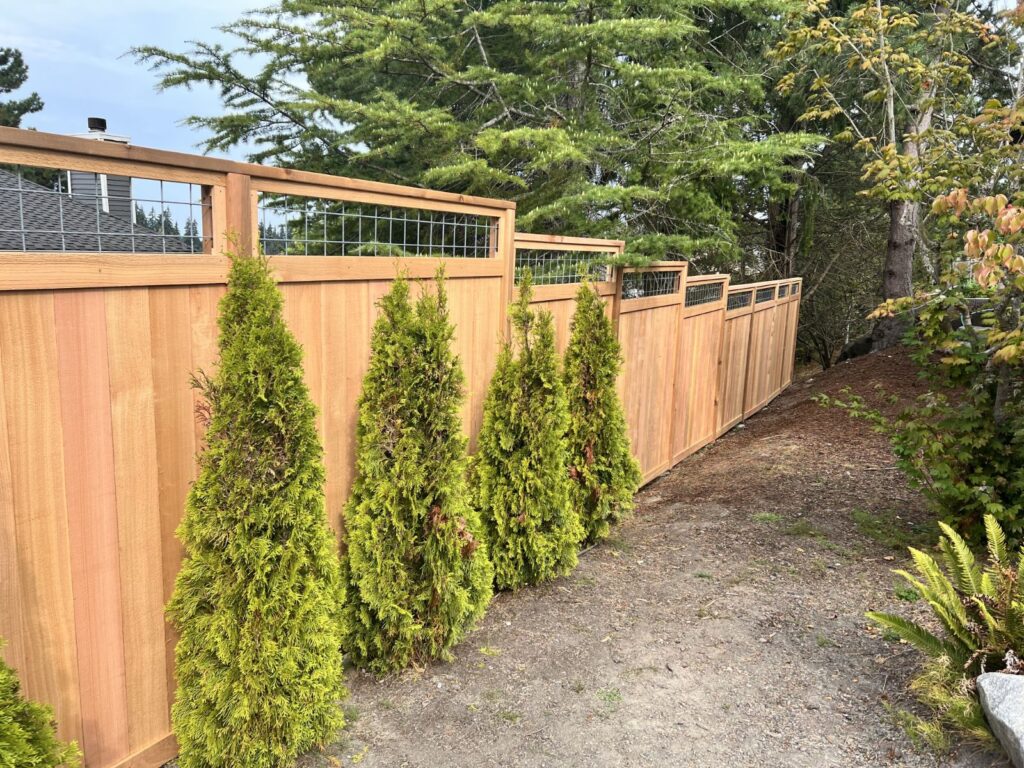
A family living in a suburban neighborhood wanted complete backyard privacy. They chose a tall cedar wooden fence. The installation created a secluded outdoor living space where the family could entertain guests without outside disturbances. Cedar was selected for its durability and resistance to insects.
The result was a fence that not only enhanced privacy but also added natural warmth to the property’s overall design. Regular staining ensures the fence remains in excellent condition.
Example 2: Vinyl Fence for Low-Maintenance Living
A retired couple wanted a fence that would require minimal upkeep. They selected vinyl fencing for its clean appearance and long lifespan. The vinyl panels were installed around the property, providing both privacy and a neat, organized look.
This installation allowed the couple to enjoy their outdoor space without worrying about constant maintenance. The vinyl fence also matched their home’s modern architecture, creating a cohesive style.
Example 3: Chain Link Fence for Pet Containment
A family with multiple dogs needed a safe and secure backyard. They chose a chain link fence for its strength and affordability. The installation surrounded the yard, ensuring the pets could play freely without escaping.
Over time, the family added privacy slats to sections of the fence, improving both appearance and functionality. This example highlights how chain link fences can be adapted to meet evolving needs.
Practical Use Cases for Residential Fences
Residential fences solve many everyday problems that homeowners face.
For families with children, fences create a safe play environment. Parents can let children play outside without worrying about traffic or strangers. Similarly, pet owners benefit from fences that provide secure spaces for pets to roam.
In neighborhoods where houses are close together, fences act as visual barriers that reduce noise and maintain privacy. Homeowners living near busy streets often rely on fences to create a buffer zone that improves comfort.
Additionally, fences mark property boundaries clearly, preventing disputes with neighbors. This is particularly important in suburban and rural areas where land divisions may be less obvious.
Frequently Asked Questions
1. How long does residential fence installation take?
The timeline depends on the fence type and property size. Smaller projects may take one to three days, while larger or more complex installations can take a week or more. Factors such as weather conditions and site preparation also influence duration.
2. Which type of residential fence lasts the longest?
Vinyl and aluminum fences are known for their long lifespan with minimal maintenance. Properly maintained wooden fences can also last decades, though they require more regular care compared to vinyl.
3. Do I need a permit for residential fence installation?
In many areas, permits are required for installing fences, especially if they exceed certain height limits. Homeowners should check local zoning regulations and homeowner association rules before beginning the installation.