Long Roofing: Complete Guide to Durable Roofing Solutions, Benefits, and Real-World Applications
Long roofing is a term that refers to roofing systems designed for durability, longevity, and superior protection against the elements. Unlike traditional roofing options that may need replacement after a couple of decades, long-lasting roofing solutions are engineered to withstand harsh weather conditions, resist wear, and deliver reliable performance for decades.
For homeowners and businesses alike, long-lasting roofing represents an investment in both safety and efficiency. It emphasizes materials and construction methods that maximize roof lifespan, reduce maintenance costs, and ensure consistent energy performance. Professional contractors who specialize in long roofing understand how to match the right materials with the structural needs of each building, ensuring long-term protection and peace of mind.
Key Characteristics of Long Roofing
Durability and Longevity
The defining trait of long roofing systems is their durability. These roofs are constructed using materials like metal, slate, architectural shingles, and advanced composite materials that can last 40 to 70 years or more. Durability doesn’t just mean resistance to time; it also includes resilience against environmental factors like wind, hail, heavy rain, and extreme heat.
A long-lasting roof reduces the need for frequent replacements, which makes it a cost-effective choice over time. Property owners can rely on fewer disruptions and extended protection, adding value to the building itself.
Energy Efficiency
Another significant aspect of long roofing is its energy efficiency. Materials such as reflective metal panels or cool roofing shingles are designed to reduce heat absorption. By minimizing the amount of heat transferred into a building, long roofing lowers cooling costs and contributes to more sustainable energy usage.
Over time, the energy savings add up, making this type of roofing beneficial not only for the environment but also for the financial health of businesses and households.
Low Maintenance Requirements
Long roofing is designed with maintenance efficiency in mind. Unlike cheaper roofing systems that demand frequent repairs, durable roofing materials minimize upkeep needs. Contractors usually recommend periodic inspections, but extensive repairs are far less common.
This low-maintenance aspect makes long roofing especially appealing for large commercial properties or homeowners who want peace of mind without frequent disruptions.
Benefits of Using Technology in Long Roofing
Drone Inspections
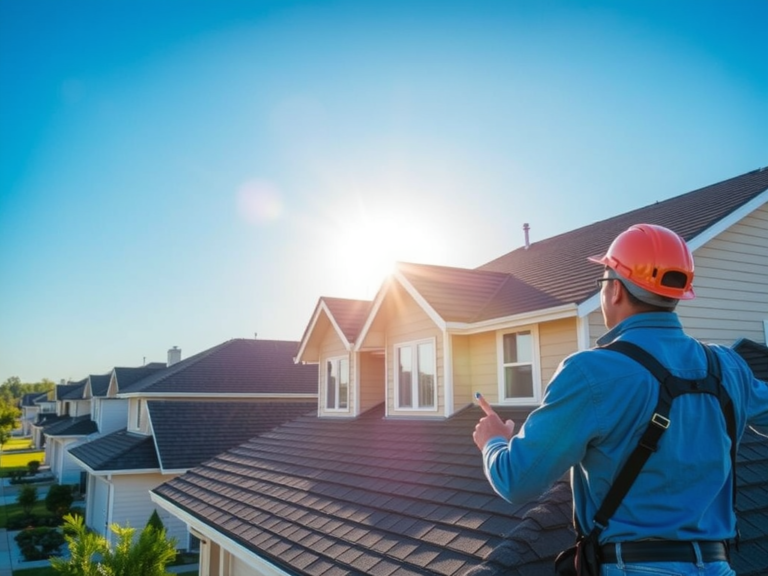
Modern long roofing contractors often use drones for aerial inspections. This allows them to spot potential problem areas without physically accessing dangerous parts of the roof. Drone technology ensures safer, faster, and more accurate inspections.
Infrared Scanning
Infrared scanning is used to detect moisture intrusion and insulation performance issues within long roofing systems. By identifying hidden problems early, contractors can implement targeted solutions that extend the roof’s lifespan.
Advanced Roofing Materials
Long roofing benefits from the latest developments in roofing materials. For instance, polymer-modified shingles, weather-resistant coatings, and recyclable metals improve both performance and sustainability. These technologies contribute to enhanced durability while also reducing environmental impact.
Real-World Examples of Long Roofing Systems

Metal Roofing for Industrial Buildings
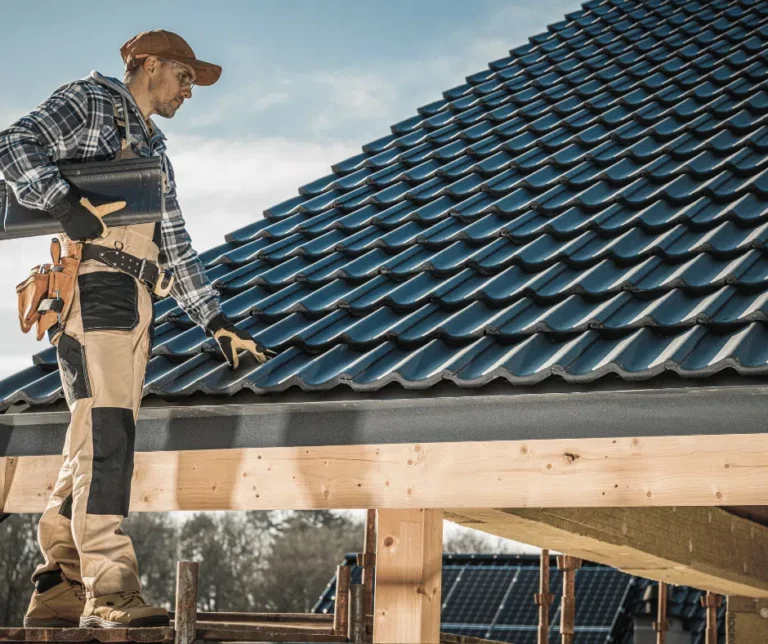
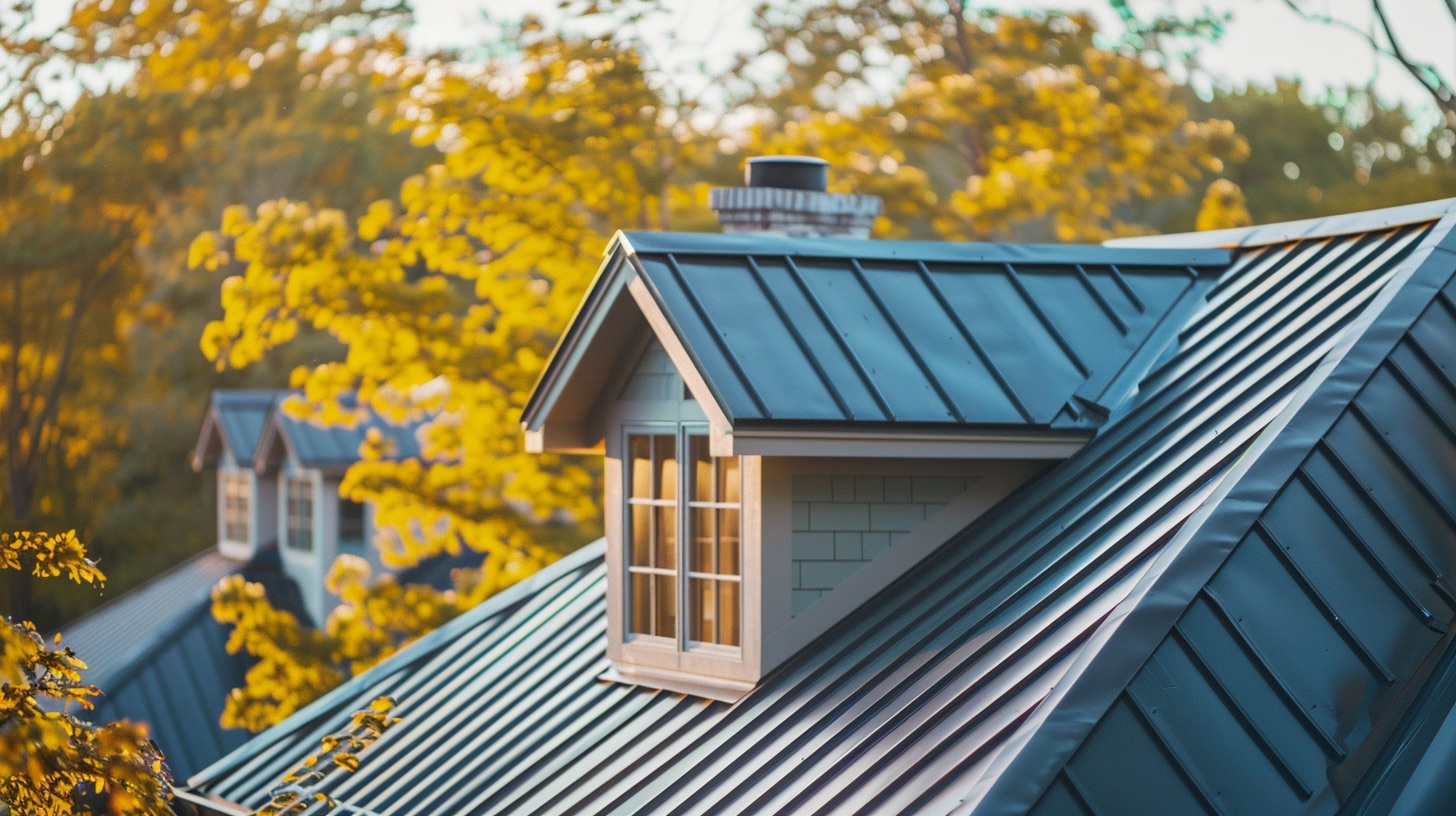
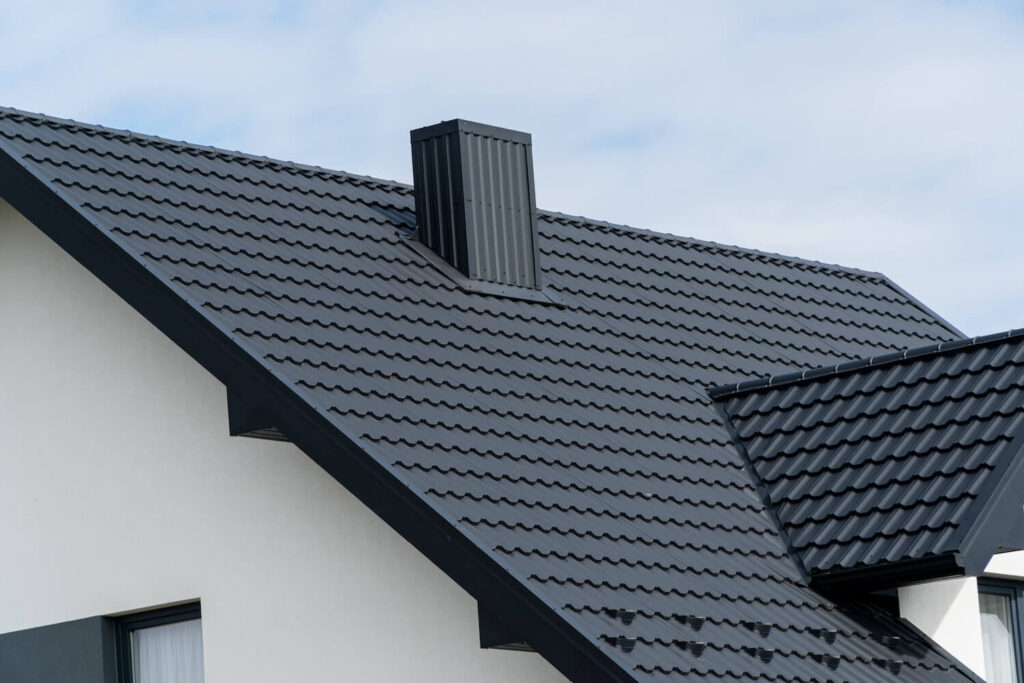
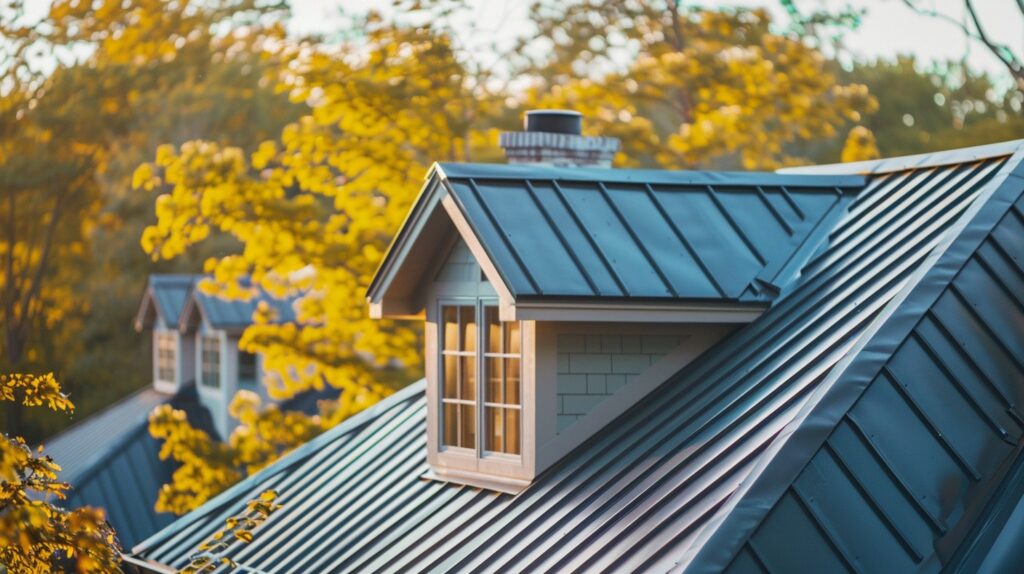
Metal roofing is one of the most popular and long-lasting roofing options for industrial and commercial structures. Its resistance to fire, high winds, and temperature fluctuations makes it an ideal solution for large facilities. Contractors install coated steel or aluminum panels that reflect sunlight, reducing cooling costs.
This type of roofing has been widely adopted in warehouses, manufacturing plants, and agricultural buildings, proving its practicality in protecting valuable assets.
Slate Roofing for Historic Homes
Slate roofing, often seen on historic or high-end residential properties, is a premiumlong-lastingg roofing material. Its natural stone composition gives it a lifespan of over 100 years. Slate is not only beautiful but also nearly impervious to fire, rot, and insect damage.
Contractors specializing in slate installation ensure proper support for its weight and precision placement of tiles. For homeowners, slate roofing represents a balance between timeless aesthetics and unmatched durability.
Architectural Shingles for Residential Communities
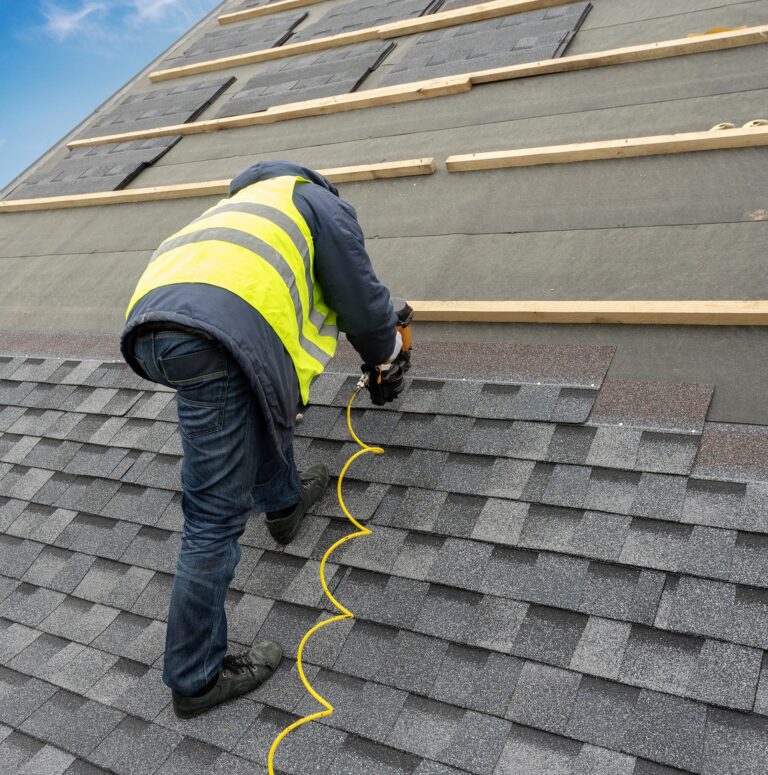
Architectural asphalt shingles, also known as dimensional shingles, are a cost-effective long roofing option that provides enhanced durability compared to traditional shingles. They mimic the appearance of wood or slate while offering improved wind resistance and a lifespan of up to 30 years.
Communities and housing developments often choose architectural shingles because they provide both visual appeal and durability at a reasonable cost, ensuring widespread adoption.
Green Roofing in Urban Spaces
Green roofing, which incorporates vegetation and sustainable design, is another form olong-termng roofing. It provides insulation, reduces stormwater runoff, and improves air quality in urban environments. Contractors design these roofs with waterproof membranes, drainage systems, and soil layers.
This eco-friendly roofing option not only lasts for decades with proper care but also contributes to urban sustainability, making it a long-term investment in both building performance and environmental health.
Practical Benefits of Long Roofing Solutions
Long roofing provides more than just structural durability; it offers long-term peace of mind and financial advantages. Property owners save money on frequent replacements, benefit from reduced energy costs, and enjoy the confidence of a reliable system.
For businesses, these benefits translate into uninterrupted operations and predictable maintenance budgets. For homeowners, they ensure family safety, comfort, and higher property values.
Use Cases of Long Roofing
Residential Applications
Homeowners turn to long-lasting roofing to avoid recurring expenses and frequent roof repairs. Durable roofing solutions ensure better protection for families, improved curb appeal, and long-term property value.
Commercial Applications
Businesses rely on long roofing systems to safeguard inventory, equipment, and employees. Whether it’s metal roofing on warehouses or architectural shingles on office buildings, the focus is on reducing long-term costs and ensuring consistent protection.
Institutional Applications
Schools, hospitals, and government facilities benefit from long-lasting roofing because of its reliability and compliance with safety standards. These institutions often choose materials that minimize disruption and deliver decades of performance.
Frequently Asked Questions
1. How long does a long roofing system typically last?
The lifespan depends on the material. Metal and slate roofs can last 50–100 years, while architectural shingles generally last 25–30 years. Proper installation and maintenance extend this lifespan further.
2. Is long roofing worth the higher initial investment?
Yes, because it reduces long-term costs. While upfront installation costs are higher, savings from fewer repairs, replacements, and lower energy bills make it cost-effective over time.
3. Can long roofing be installed on all types of buildings?
Yes, but the best material depends on the building type. Industrial structures often benefit from metal, while residential homes may use slate or shingles. Contractors assess structural requirements before recommending a solution.