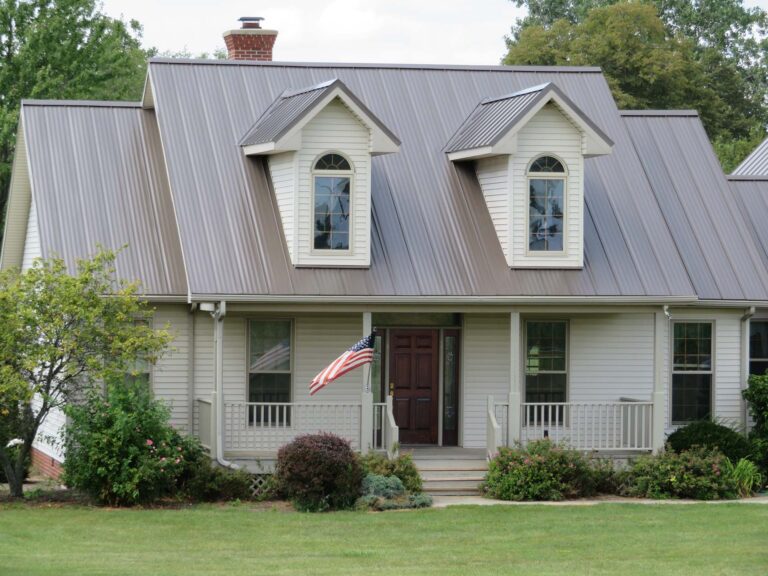
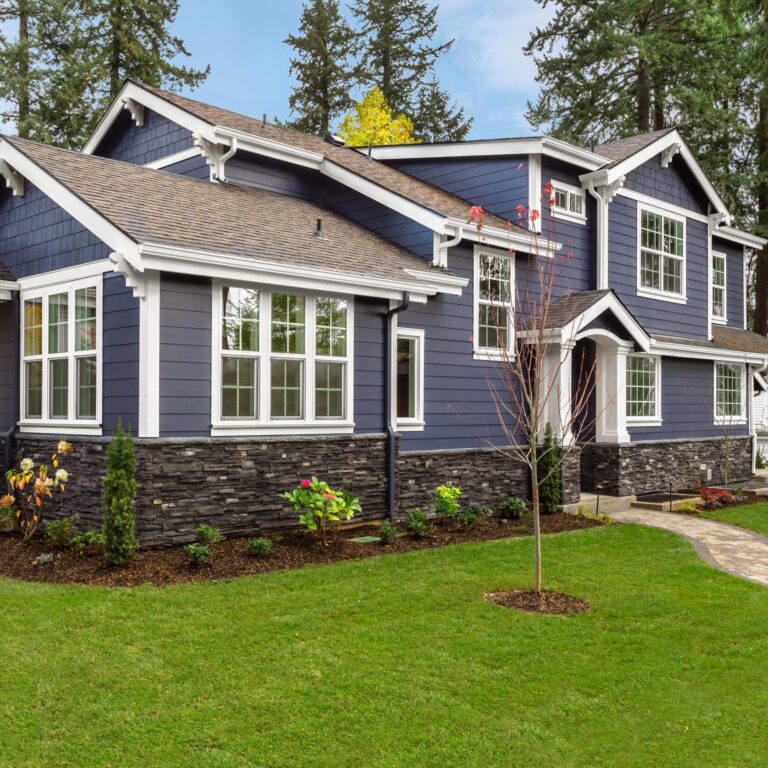
House Siding Contractors: Complete Guide to Choosing Experts for Durable and Beautiful Exteriors
House siding contractors play a critical role in home improvement and protection. They are skilled professionals who specialize in installing, repairing, and replacing siding materials. Whether you’re upgrading your home’s appearance, addressing weather damage, or improving insulation, the expertise of a siding contractor ensures long-lasting results.
Siding is more than just a design element—it’s a shield against weather, pests, and structural damage. Choosing the right contractor guarantees that your siding not only looks appealing but also performs effectively for decades. This article explores everything homeowners need to know about siding contractors, including their importance, modern techniques, real-world applications, and the many benefits they deliver.
The Role of House Siding Contractors
What House Siding Contractors Do
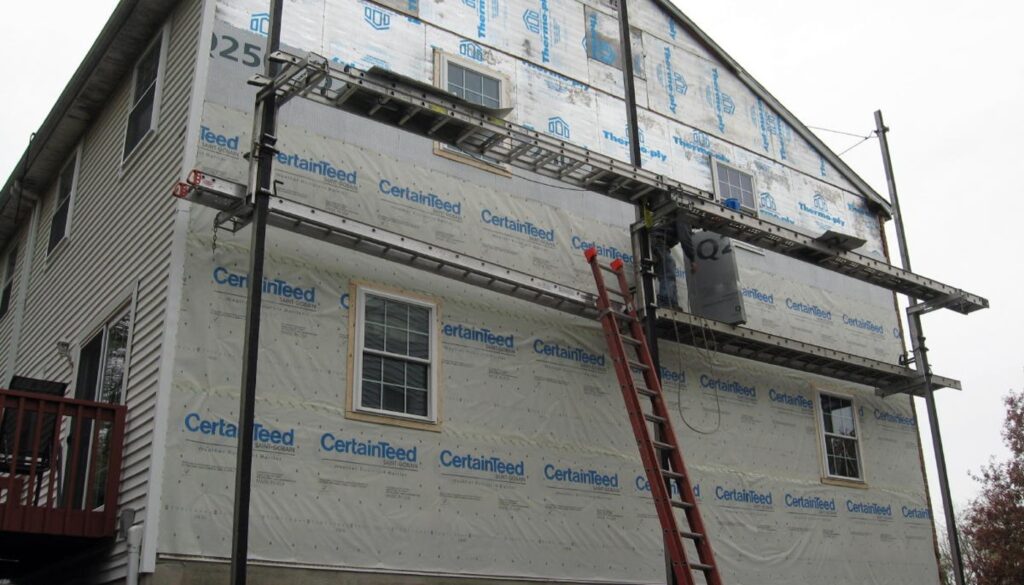
House siding contractors manage every aspect of siding projects, from assessing a home’s exterior to recommending the best material for climate, budget, and style. Their work involves removing old siding, repairing underlying damage, and installing new panels with precision.
Professional contractors are trained to handle complex details, such as sealing joints, aligning panels, and integrating siding with windows, doors, and roofing. These small details make the difference between a durable, weather-tight exterior and one that causes problems over time.
Why Professional Installation Matters
DIY siding installation often leads to gaps, warping, or poor insulation, which can cause long-term damage. House siding contractors use specialized tools, follow manufacturer guidelines, and understand local building codes. Their expertise ensures the siding performs as intended, offering maximum protection and efficiency.
By hiring contractors, homeowners also benefit from warranties on labor and materials, further securing their investment. Professional siding installation isn’t just about appearance—it’s about safeguarding the structural integrity of the entire home.
Common Types of Siding Contractors Work With
Vinyl Siding
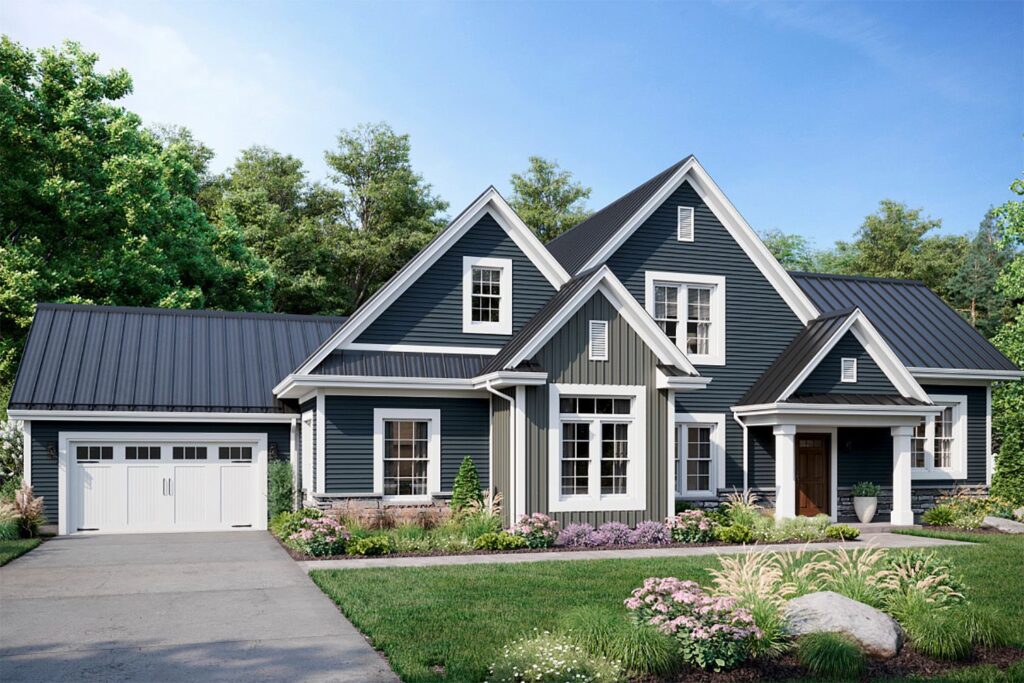
Vinyl siding is one of the most widely used options due to affordability, versatility, and low maintenance. Contractors favor it for its ease of installation and durability. With advancements in manufacturing, today’s vinyl siding includes insulated backings, UV protection, and realistic wood-grain textures.
Professional siding contractors ensure vinyl panels are securely locked and properly ventilated to avoid issues like warping or moisture buildup. Their skill ensures vinyl’s cost-effectiveness is matched by reliable performance.
Fiber Cement Siding
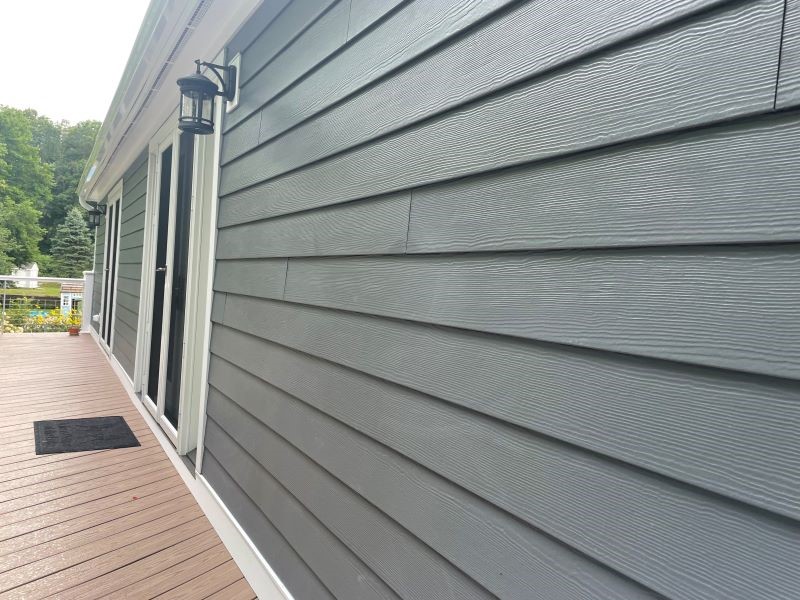
Fiber cement siding is prized for its longevity and ability to mimic wood, stone, or stucco. Contractors often recommend it for regions with extreme weather, since it resists rot, fire, and pests.
Installing fiber cement requires precise cutting and handling, which is why professional expertise is crucial. Skilled siding contractors ensure seams are aligned and panels are painted or sealed correctly, maximizing durability and aesthetic appeal.
Engineered Wood Siding
Engineered wood siding provides the warm, traditional look of wood while reducing the risks of decay, termites, and moisture damage. Contractors use this material in projects where homeowners want a natural appearance with less upkeep.
Contractors enhance the benefits of engineered wood by ensuring panels are installed with proper clearance from the ground and are sealed at edges to prevent water infiltration. This attention to detail extends the siding’s lifespan significantly.
Metal Siding
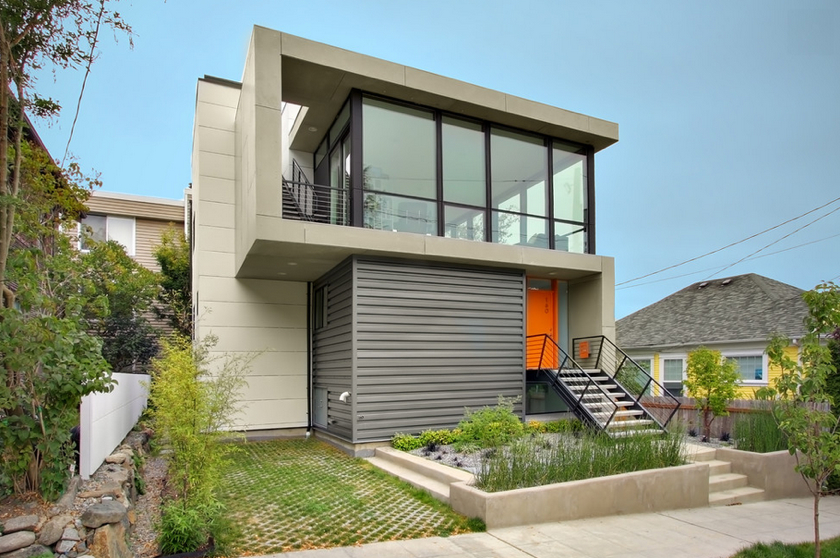
Metal siding, often aluminum or steel, is increasingly popular for its durability and modern aesthetic. Contractors recommend it for homes in fire-prone or severe-weather regions due to its resilience.
Because metal siding can expand and contract with temperature changes, contractors carefully install panels with proper spacing and fastening systems. Their expertise ensures the siding remains secure and visually appealing for decades.
Benefits of Hiring House Siding Contractors
Hiring siding contractors provides advantages beyond proper installation. One key benefit is enhanced durability. When siding is professionally installed, it resists warping, cracking, and weather damage far better than when installed incorrectly.
Another major benefit is energy efficiency. Contractors often recommend and install insulated siding, which helps regulate indoor temperatures, reducing utility costs. They also ensure siding integrates seamlessly with windows, roofing, and insulation systems.
Additionally, siding contractors enhance home value and curb appeal. A well-installed siding project not only makes a home more attractive but also demonstrates quality craftsmanship, which appeals to potential buyers. For homeowners not looking to sell, the pride of living in a beautiful, well-protected home is equally rewarding.
Real-World Examples of Siding Projects by Contractors
Example 1: Fiber Cement in a Storm Zone
In a storm-prone coastal region, a siding contractor installed fiber cement siding to withstand heavy rains and winds. The siding’s resistance to swelling and rot ensured the home remained protected despite constant exposure to humidity.
The homeowner also enjoyed the realistic wood-like appearance of fiber cement, which added character without compromising durability. This project showed how contractors match materials to regional needs.
Example 2: Vinyl Siding in a Cold Climate
A family in a northern climate chose insulated vinyl siding installed by a professional contractor. The siding added a thermal barrier, reducing heat loss during freezing winters.
The contractor’s precise installation prevented gaps that could have caused drafts or ice damage. This project highlighted how contractors improve both aesthetics and performance in challenging environments.
Example 3: Engineered Wood in a Heritage Home
For a historic craftsman home, contractors recommended engineered wood siding to replicate the original look while minimizing future maintenance. The result was a balance between traditional beauty and modern resilience.
Contractors carefully managed details such as trim work and protective finishes, ensuring the home’s authenticity was preserved while avoiding common wood-related issues.
Example 4: Metal Siding for a Modern Design
A modern urban residence used metal siding for its sleek, contemporary design. Contractors installed steel panels with hidden fasteners to maintain a clean aesthetic.
Beyond appearance, the siding provided fire resistance and longevity, making it ideal for the home’s environment. This example demonstrated how contractors bring architectural visions to life with technical precision.
Use Cases Where Contractors Solve Homeowner Challenges
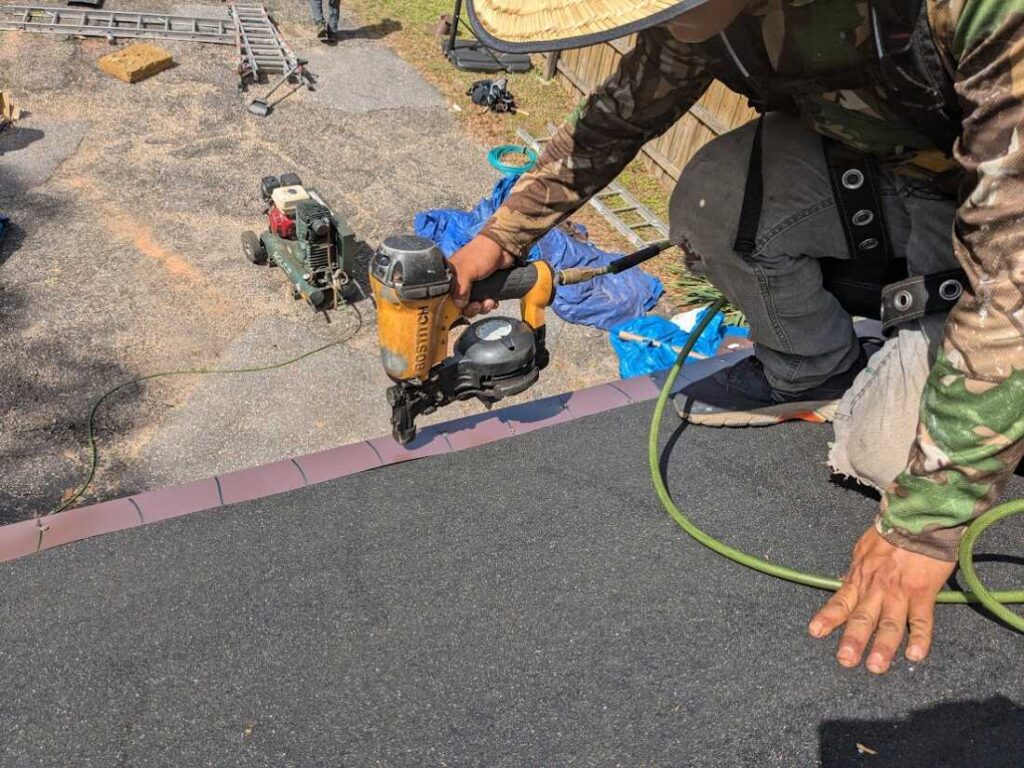
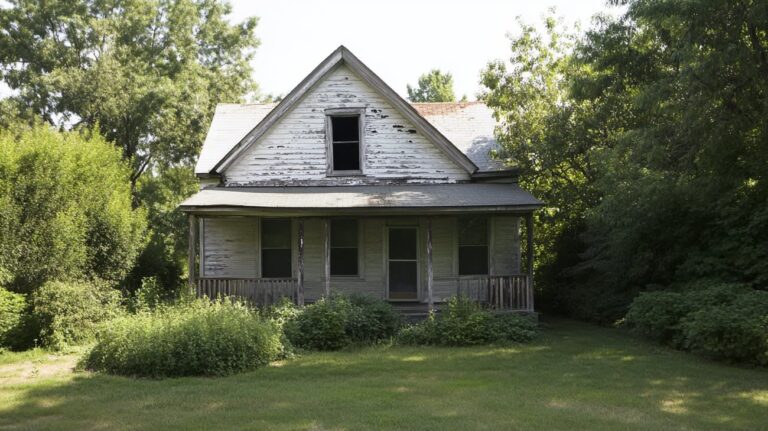
House siding contractors address several real-world problems. For aging homes, contractors replace failing siding that allows water and pests inside, restoring protection and extending the home’s life.
In energy-conscious households, contractors install insulated siding to reduce heating and cooling costs, creating more sustainable living environments. For families seeking to sell, siding contractors transform curb appeal, making homes more competitive in the market.
By tailoring siding solutions to regional weather, contractor expertise ensures homes are not just beautiful but also resilient against local challenges.
Frequently Asked Questions
1. How do I know if I need a siding contractor?
Signs include warped panels, peeling paint, water stains, drafts, or rising energy bills. A siding contractor can assess whether repair or replacement is needed.
2. How long does siding installed by contractors last?
Lifespan depends on the material. Vinyl can last 25–30 years, fiber cement 40–50 years, engineered wood 20–30 years, and metal siding over 50 years with proper maintenance.
3. Do contractors handle repairs as well as full replacements?
Yes. Professional siding contractors provide both repair and full replacement services, addressing minor issues before they escalate into costly damage.