Home Siding Companies: Comprehensive Guide to Services, Benefits, and Real-World Examples
Home siding companies provide specialized services to protect, maintain, and improve residential exteriors. Siding is more than just a decorative element; it shields homes from harsh weather, moisture, and pests while improving curb appeal. Over time, siding can wear out, crack, or lose its effectiveness, making professional siding services essential for maintaining structural integrity and energy efficiency.
By partnering with siding experts, homeowners gain access to advanced materials, skilled craftsmanship, and tailored solutions that ensure their property remains both durable and visually appealing. These companies offer installation, repair, replacement, and maintenance services, helping homeowners choose siding options that best suit their budget, climate, and design goals.
Why Home Siding Companies Are Important

Siding serves as a home’s first line of defense against environmental challenges. Without well-installed siding, homes are vulnerable to issues such as water infiltration, mold growth, insect damage, and higher energy bills. Home siding companies address these concerns by offering professional expertise that ensures siding performs its protective role effectively.
Beyond protection, siding companies enhance the appearance of homes. The right siding transforms a property’s exterior, adding personality and increasing resale value. With the guidance of professionals, homeowners avoid costly mistakes by selecting materials and styles that balance aesthetics with functionality.
In addition, siding contractors provide warranties and long-term service support. This ensures homeowners not only receive a quality installation but also benefit from continued peace of mind regarding future repairs or replacements.
Core Services Offered by Home Siding Companies
Siding Installation

Siding installation is one of the most critical services offered by home siding companies. Proper installation ensures panels are securely fitted, insulated, and sealed to protect against moisture and drafts. Professionals use specialized tools and methods tailored to each siding material—whether it’s vinyl, fiber cement, engineered wood, or composites.
A precise installation extends the siding’s lifespan, prevents premature damage, and improves energy efficiency. Homeowners benefit from enhanced indoor comfort and reduced utility costs when siding is correctly installed.
Siding Replacement
Over time, siding wears down due to exposure to sunlight, rain, wind, and seasonal shifts. Siding replacement is essential when damage becomes severe or materials no longer provide adequate protection. Home siding companies carefully remove outdated siding, inspect underlying structures for damage, and install new siding that meets modern performance standards.
Replacement projects also present an opportunity for aesthetic upgrades. Many homeowners choose new textures, finishes, or colors during replacement to refresh their home’s look while improving durability.
Siding Repair and Maintenance
Not every siding issue requires full replacement. Many home siding companies provide repair and maintenance services, which include patching holes, sealing cracks, and repainting faded areas. Regular maintenance can prevent small issues from escalating into costly repairs.
Repair services are particularly valuable for homeowners in regions with frequent storms or seasonal weather extremes. Professionals quickly address damage, preserving both the performance and appearance of the siding.
Benefits of Using Modern Technology in Siding Services
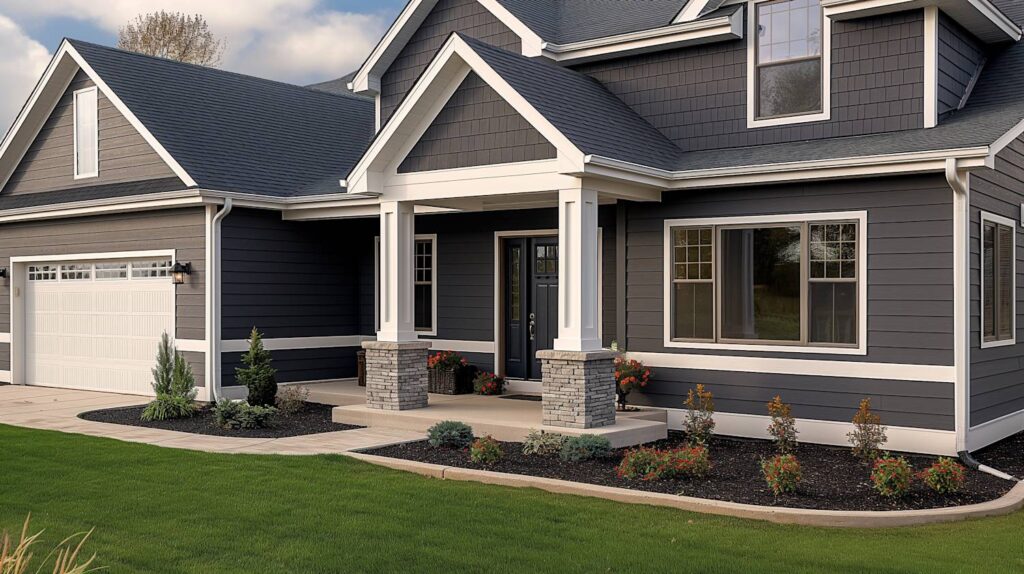
Modern technology has revolutionized how home siding companies operate. One of the most impactful innovations is 3D design and visualization software. These tools allow homeowners to preview siding colors, textures, and styles on a digital model of their home, making it easier to choose the right look without guesswork.
Another key advancement is the availability of engineered and insulated siding materials. These materials combine beauty with superior performance, offering resistance to rot, pests, fire, and severe weather. Insulated siding also reduces heat transfer, lowering energy costs while improving indoor comfort.
Home siding companies also employ advanced moisture barriers and underlayment systems. These products protect against water intrusion, which can cause mold and structural issues. Together, modern technology and skilled craftsmanship deliver siding solutions that last longer, look better, and perform more efficiently.
Real-World Examples of Siding Solutions
Example 1: Vinyl Siding for a Growing Family
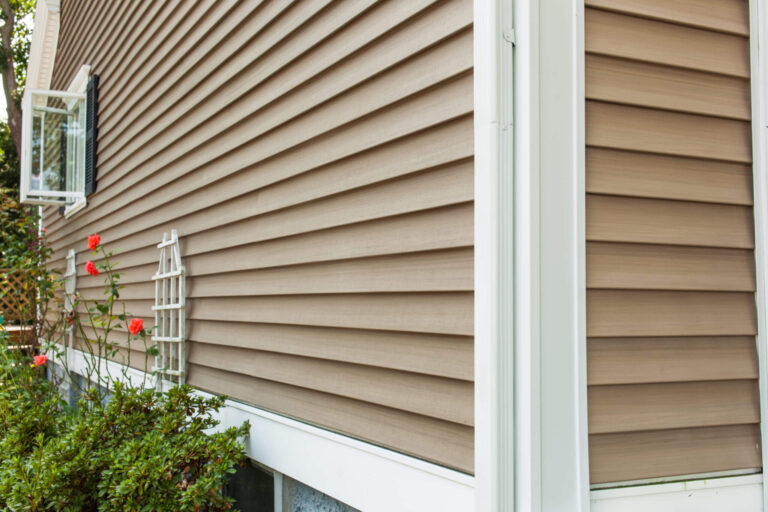
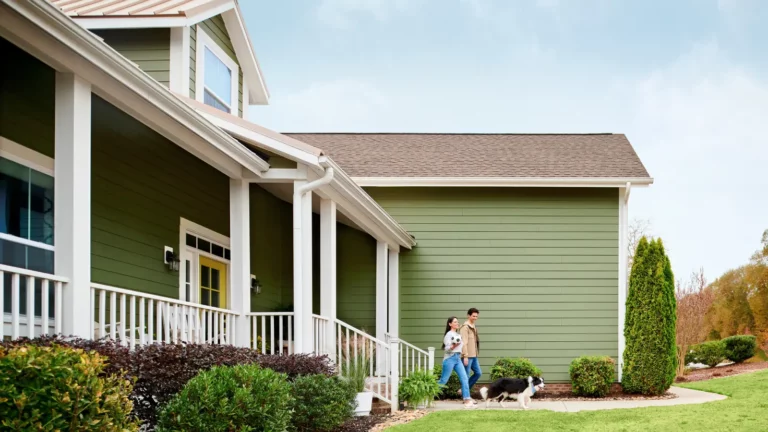
A family in the suburbs needed a cost-effective, low-maintenance siding solution. Their siding company recommended vinyl siding due to its durability, affordability, and wide range of color options.
After installation, the family enjoyed a fresh new look for their home and reduced upkeep compared to wood siding. The vinyl siding’s resistance to fading and cracking made it the perfect long-term investment for a busy household.
Example 2: Fiber Cement Siding for a Coastal Property
Living near the ocean exposed one homeowner’s property to constant humidity and salty air. Their siding company suggested fiber cement siding because of its resistance to rot, pests, and salt damage.
The new siding maintained its wood-like appearance while offering unmatched durability. This example highlights how siding companies tailor recommendations to a property’s environment, ensuring long-term protection.
Example 3: Engineered Wood Siding for a Traditional-Style Home
A homeowner who loved the look of wood wanted to avoid its frequent maintenance demands. Their siding company installed engineered wood siding, which provided the authentic look of timber without the susceptibility to rot and insects.
This option preserved the classic aesthetic while reducing upkeep, giving the homeowner the best of both worlds beauty and resilience.
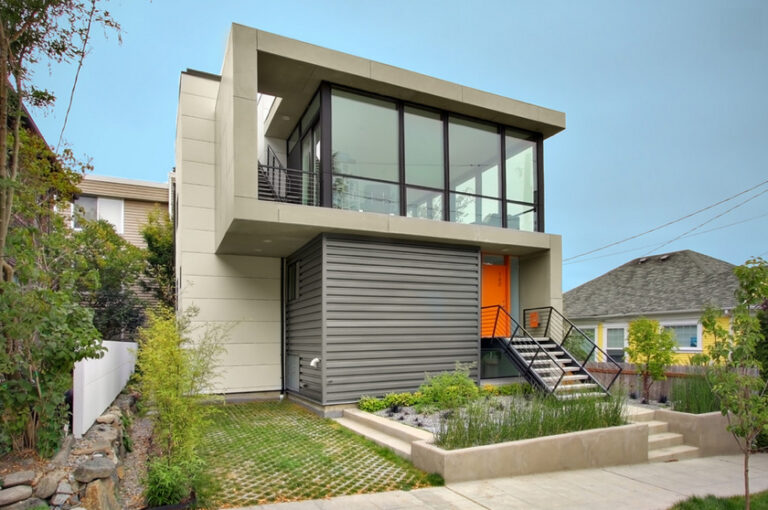
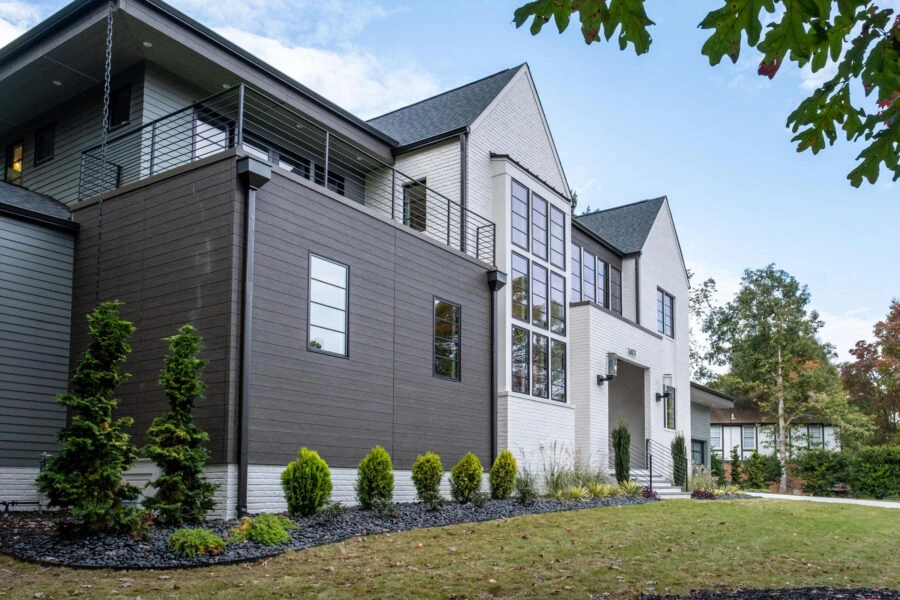
Example 4: Composite Siding for a Modern Residence
A modern residence in the city needed a siding solution that was stylish yet tough enough to withstand pollution and weathering. The siding company recommended composite siding, which offered sleek finishes and long-term performance.
This siding choice not only matched the home’s modern design but also offered low maintenance and strong protection, showing how siding companies adapt to both functional and aesthetic needs.
Practical Benefits of Working with Home Siding Companies
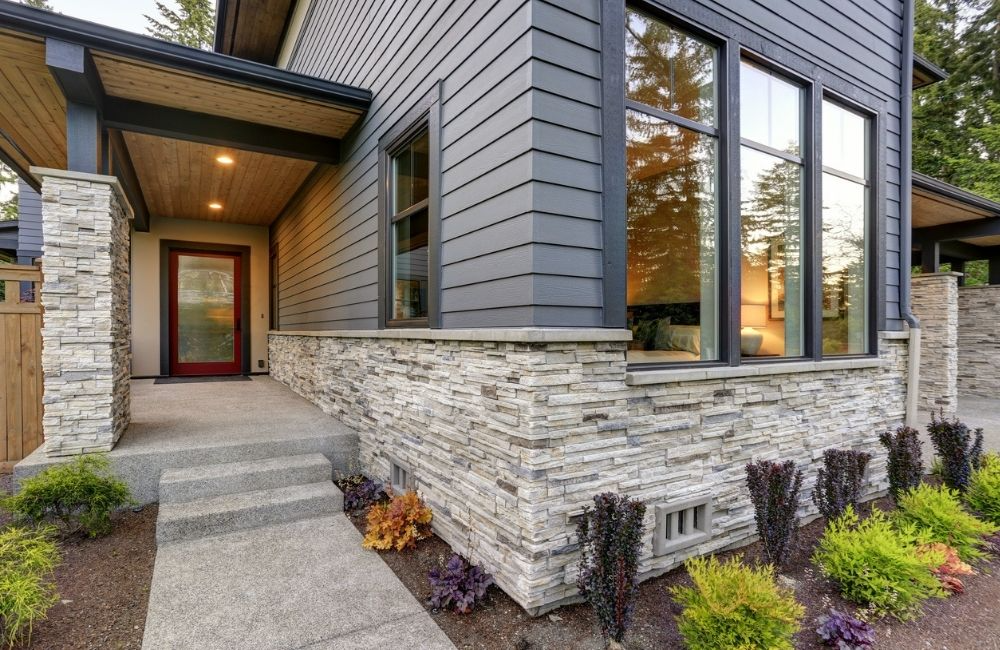
Home siding companies deliver several practical advantages that extend beyond installation. First, they ensure siding is correctly fitted and sealed, reducing the risk of drafts, leaks, and structural damage. Proper installation directly translates into cost savings by preventing expensive repairs.
Second, professionals provide homeowners with material expertise. With so many siding options available, choosing the wrong one can result in wasted investment. Siding contractors evaluate a home’s climate conditions, design, and energy needs before recommending the best materials.
Third, siding companies often offer warranties on both labor and materials. This reassures homeowners that their investment is protected and backed by professional service, giving them confidence in the quality of work provided.
Real-World Use Cases and Problem-Solving
Siding replacement and repair address real-world problems that homeowners face daily. For example, homes in colder regions benefit from insulated siding that reduces heat loss and lowers energy bills. This not only increases comfort but also makes a home more sustainable.
In storm-prone areas, siding companies protect properties by installing weather-resistant siding such as fiber cement or composite. These materials withstand heavy rain, wind, and hail, reducing long-term maintenance costs.
Homeowners preparing to sell often turn to siding companies for upgrades. A new exterior dramatically boosts curb appeal and property value, attracting buyers with a modern, well-maintained appearance. In these cases, siding companies deliver practical solutions that solve financial, environmental, and aesthetic challenges.
Frequently Asked Questions
1. How do I know when it’s time to replace siding?
Signs include visible cracks, warping, fading, mold growth, or rising energy bills due to poor insulation. If siding no longer provides adequate protection, replacement is recommended.
2. What type of siding is best for long-term durability?
Fiber cement and composite siding are considered the most durable. They resist moisture, pests, and weather extremes while maintaining their appearance for decades.
3. Can siding installation improve my home’s energy efficiency?
Yes. Insulated siding and professional sealing reduce heat transfer, lowering heating and cooling costs while creating a more comfortable indoor environment.