Home Exteriors Roofing Siding and Windows: Complete Guide to Materials, Services, and Benefits
Your home’s exterior is more than just a facade; it is your first line of defense against weather, temperature extremes, and environmental elements. Roofing, siding, and windows each play essential roles in ensuring safety, energy efficiency, and visual appeal. When combined, these components create a cohesive system that protects your property while increasing its value.
Understanding how roofing, siding, and windows work together is critical for homeowners planning repairs, replacements, or upgrades. By investing in durable materials and quality installation, you not only extend the life of your home but also enhance comfort, reduce maintenance needs, and improve overall efficiency.
Roofing: The Crown of Home Exteriors
Importance of Quality Roofing
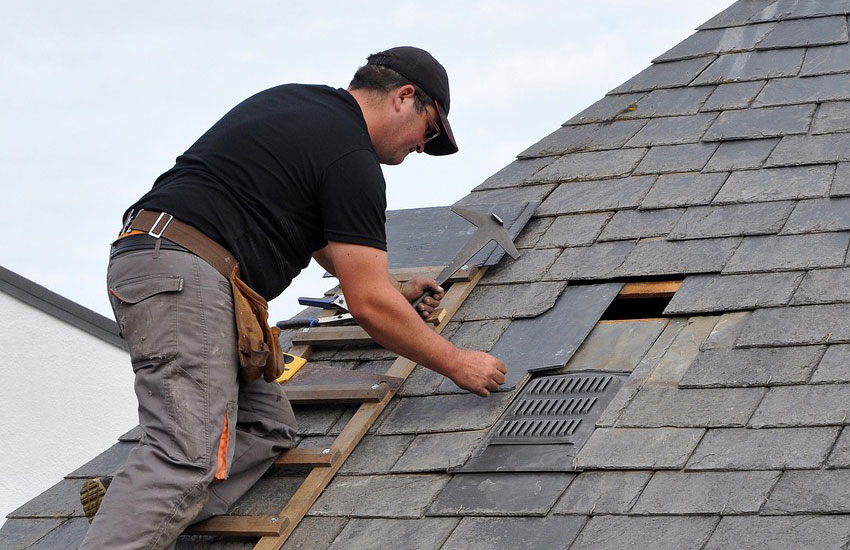
The roof is often referred to as the crown of the home. It shields your family and belongings from rain, snow, hail, and heat. A strong, well-maintained roof ensures structural integrity and prevents costly issues like leaks, mold growth, and water damage.
Modern roofing systems are designed to withstand regional weather conditions, whether that’s heavy snowfall, high winds, or intense sunlight. Choosing the right roofing material—such as asphalt shingles, metal roofing, or clay tiles—provides both durability and a customized aesthetic.
Roofing Technology and Advancements
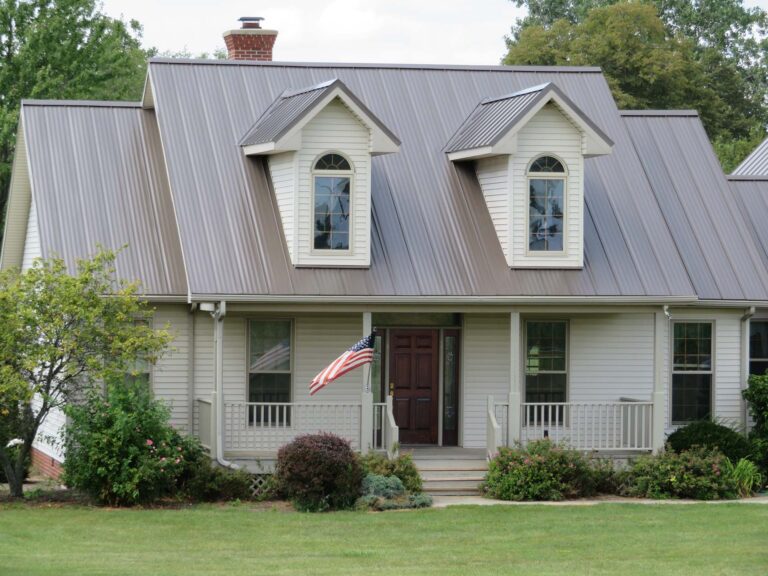
Advancements in roofing technology have introduced materials that offer enhanced longevity and efficiency. For example, reflective roofing shingles can deflect heat, reducing cooling costs during the summer months. Metal roofing now comes with protective coatings that resist corrosion while mimicking the look of traditional shingles or tiles.
Additionally, underlayment materials and ventilation systems help extend the lifespan of roofs by preventing moisture buildup and ensuring air circulation. These modern innovations provide homeowners with smarter, more sustainable roofing solutions.
Siding: Protection and Curb Appeal
Role of Siding in Home Exteriors
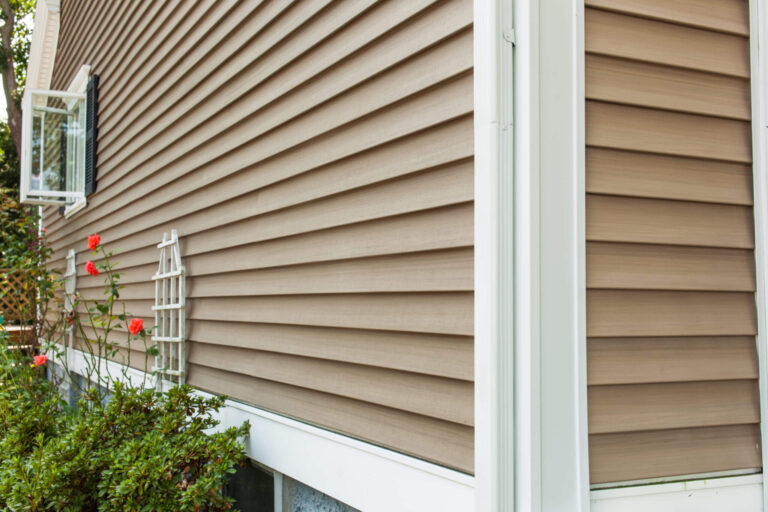
Siding serves as both a shield and a design element for home exteriors. It protects walls from rain, wind, and pests while significantly influencing curb appeal. From classic wood siding to modern fiber cement, the material you choose will determine your home’s long-term resilience and style.
Beyond aesthetics, siding improves insulation, helping to regulate indoor temperatures. Properly installed siding prevents moisture intrusion, reduces maintenance needs, and increases property value.
Advancements in Siding Materials
Today’s siding materials are engineered to last longer and require less maintenance. Vinyl siding remains a popular choice due to affordability and variety, while fiber cement siding is favored for its durability and fire resistance. Engineered wood siding replicates the beauty of natural wood but without the risks of rot or termites.
These technological advancements also include UV-resistant finishes that maintain vibrant colors for years, eliminating the need for frequent repainting. Homeowners benefit from long-term savings and a home exterior that remains attractive with minimal upkeep.
Windows: Efficiency and Comfort
Function and Importance of Windows
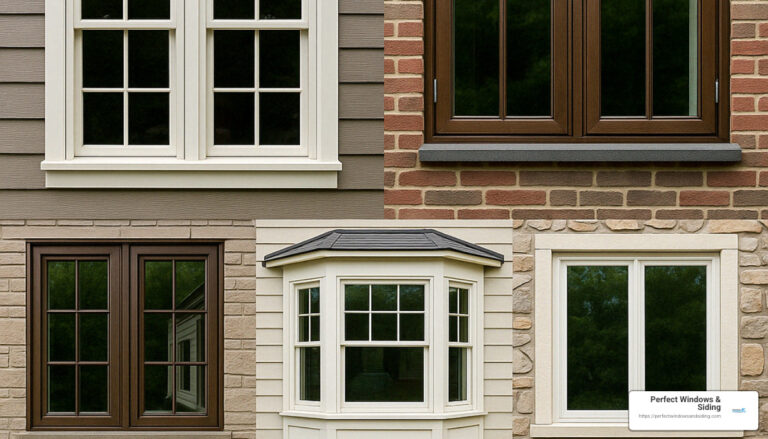
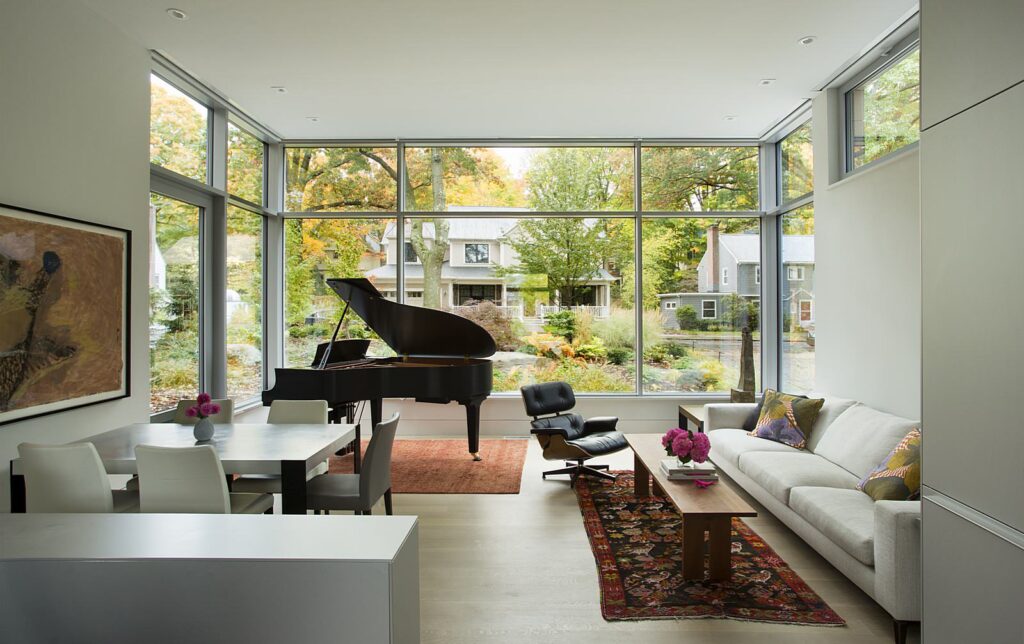
Windows are the connection between a home’s interior and exterior, providing light, ventilation, and views. They also play a vital role in energy efficiency. Poorly insulated or outdated windows allow drafts, causing heating and cooling systems to work harder and increasing utility costs.
Newer window designs include multiple panes, low-emissivity (Low-E) coatings, and insulated frames. These features help regulate indoor temperatures, reduce outside noise, and improve overall comfort.
Window Technology and Smart Features
Technology has transformed windows from simple glass panes into energy-saving components. Double- and triple-pane windows filled with inert gases offer superior insulation, while Low-E coatings reflect UV rays without reducing natural light.
Some modern windows also feature smart technology, including sensors that detect when a window is open and coatings that self-clean when exposed to sunlight and rain. These innovations provide convenience while enhancing sustainability.
Real-World Examples of Home Exterior Projects
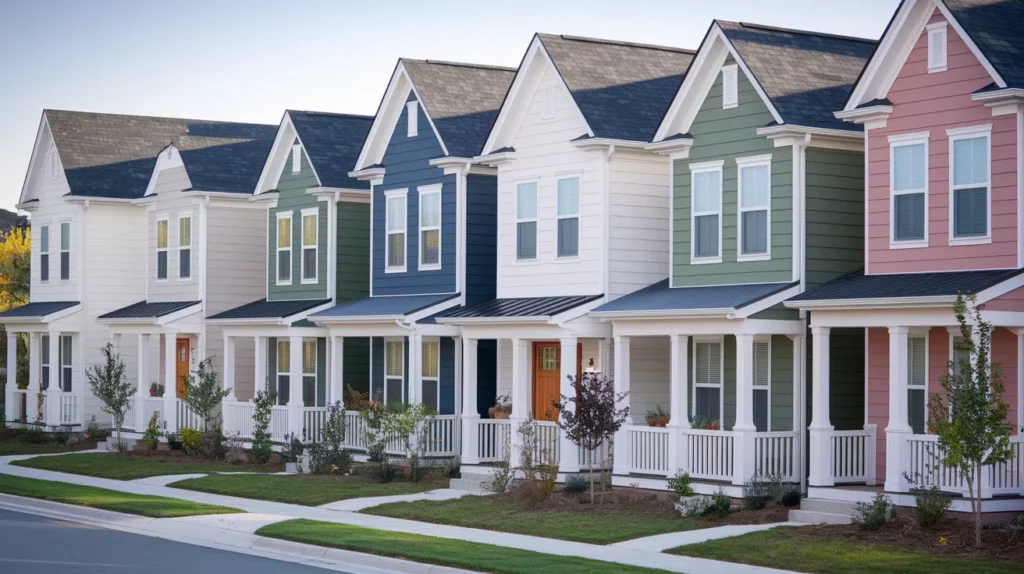
Example 1: Asphalt Shingle Roof with Vinyl Siding
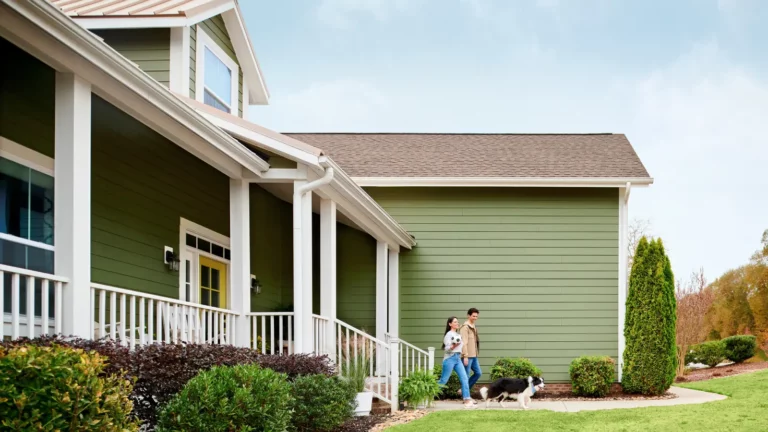
A family in a suburban neighborhood upgraded their home exterior with asphalt shingle roofing and vinyl siding. This combination offered affordability, reliability, and a wide range of color choices. The result was a refreshed, modern look paired with durable protection against seasonal weather changes.
The roofing provided enhanced water resistance, while the siding ensured low maintenance and improved insulation. Together, these upgrades transformed the home’s curb appeal and long-term performance.
Example 2: Fiber Cement Siding with Energy-Efficient Windows
In a coastal region prone to humidity and storms, a homeowner opted for fiber cement siding combined with energy-efficient double-pane windows. This pairing protected the house from harsh conditions while reducing indoor energy consumption.
Fiber cement resisted rot and pests, while the windows minimized heat gain and loss, keeping the home comfortable year-round. The exterior also retained a timeless look with minimal maintenance requirements.
Example 3: Metal Roofing with Modern Composite Siding
A modern urban property received an upgrade with standing seam metal roofing and composite siding. This combination emphasized durability and design, creating a sleek and contemporary exterior.
The metal roof provided unmatched longevity and resistance to high winds, while composite siding added an energy-efficient, low-maintenance finish. This project showcased how modern materials can meet both aesthetic and functional goals.
Example 4: Wood Accents with High-Performance Windows
A craftsman-style home blended traditional wood accents with large, modern windows. The design preserved the warmth of natural wood while incorporating energy-efficient glazing for improved performance.
This combination offered a balance of heritage charm and modern technology, appealing to homeowners who value both beauty and practicality in their exterior designs.
Benefits of Combining Roofing, Siding, and Windows
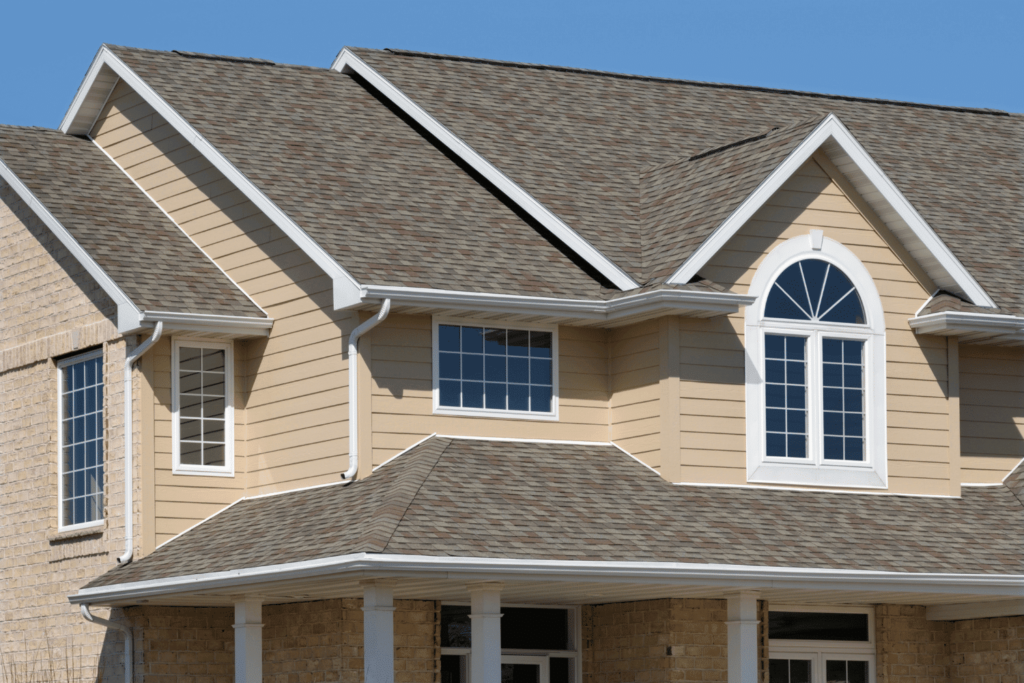
When roofing, siding, and windows are upgraded together, the result is a comprehensive improvement in performance, comfort, and appearance. This holistic approach ensures that each element complements the other, maximizing durability and efficiency.
For example, installing energy-efficient windows alongside insulated siding reduces drafts and heat loss, which further enhances the performance of a new roof. Homeowners gain long-term savings on utility bills while enjoying increased indoor comfort.
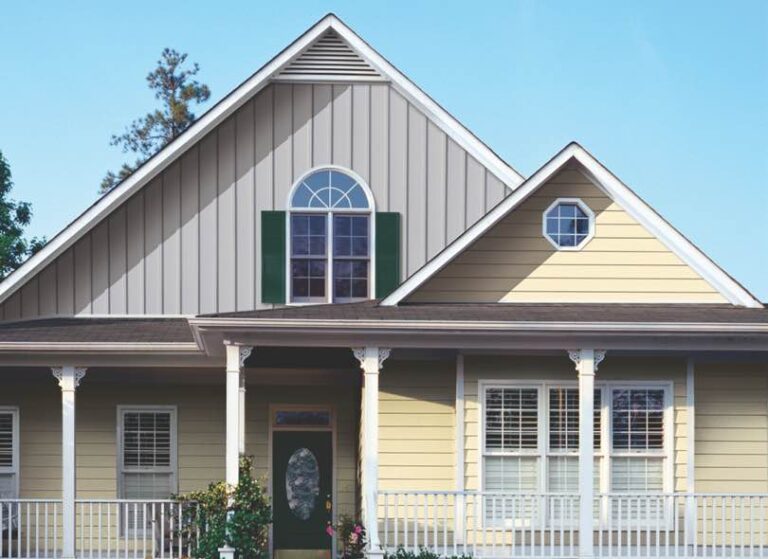
Another benefit is the visual harmony achieved when all exterior elements are coordinated. Matching styles, colors, and finishes creates a unified aesthetic that boosts curb appeal and property value. This is particularly important for homeowners considering resale.
Real-Life Use Cases Solved by Exterior Upgrades
Upgrading roofing, siding, and windows solves a variety of homeowner challenges. In cold climates, insulated siding and triple-pane windows reduce heat loss, ensuring lower energy costs and greater comfort during winter.
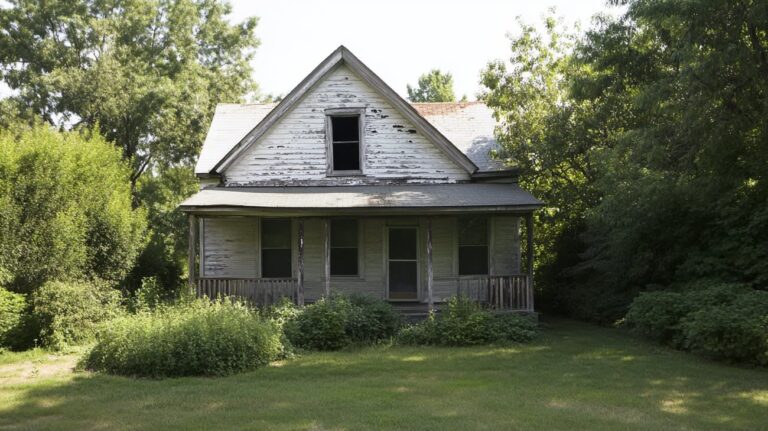
In storm-prone regions, durable materials like fiber cement siding and metal roofing protect homes from wind, rain, and hail damage. For older homes, exterior upgrades not only modernize the appearance but also resolve hidden structural or moisture issues uncovered during replacement.
For families planning to sell their home, these upgrades often translate into faster sales and higher offers. A refreshed exterior creates strong first impressions and demonstrates to potential buyers that the property has been well-maintained.
Frequently Asked Questions
1. How long do roofing, siding, and windows typically last?
Roofing materials vary: asphalt shingles last 20–30 years, while metal or tile roofs can last 50 years or more. Vinyl siding can last 30–40 years, fiber cement even longer. Windows typically last 15–25 years, depending on material and maintenance.
2. Can upgrading all three at once save money?
Yes. Bundling roofing, siding, and window upgrades often reduces labor costs, allows for better material coordination, and ensures consistent insulation and energy efficiency across the home exterior.
3. What is the most energy-efficient siding and window combination?
Fiber cement or insulated vinyl siding paired with double- or triple-pane Low-E windows offers excellent energy performance. This combination minimizes heat transfer while resisting weather damage.