Commercial Roofing: Complete Guide to Systems, Benefits, and Real-World Applications
Commercial roofing refers to specialized roofing systems designed for large-scale properties such as office buildings, warehouses, hospitals, shopping centers, and industrial facilities. Unlike residential roofing, commercial roofs must withstand higher structural demands, larger square footage, and often house essential equipment like HVAC units.
Because of these challenges, commercial roofing requires specialized knowledge, durable materials, and proper maintenance to ensure longevity. Property managers and business owners rely on professional roofing contractors to deliver high-quality systems tailored to their needs.
Understanding Commercial Roofing Systems

Flat Roofing
Flat roofs are one of the most common types of commercial roofing due to their cost-effectiveness and ability to maximize space. They allow property owners to use rooftops for HVAC units, solar panels, or even green roofs.
Though flat roofs are not completely flat, they have a low slope that requires proper drainage systems to prevent water pooling. Materials like TPO, EPDM, and PVC are popular for these systems because of their durability and weather resistance.
Metal Roofing
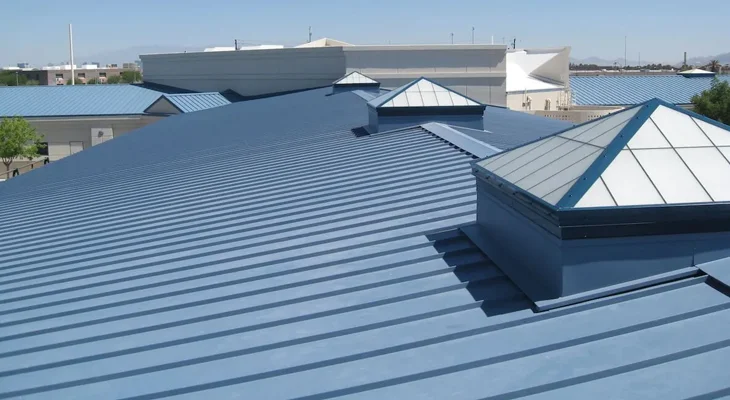
Metal roofing offers exceptional durability and longevity for commercial properties. Common metals include steel, aluminum, and copper, which can last 40–70 years with proper maintenance.
Metal roofing is especially effective in regions with extreme weather because it resists wind, fire, and corrosion. Its reflective properties also enhance energy efficiency, reducing cooling costs in large buildings.
Built-Up Roofing (BUR)
Built-up roofing, often called “tar and gravel,” consists of multiple layers of bitumen and reinforcing fabrics. This creates a durable, waterproof surface that is ideal for flat or low-slope roofs.
BUR has been used for decades and is known for its strength and resistance to heavy foot traffic. It remains a cost-effective choice for many commercial facilities.
Green Roofing
Green roofs integrate vegetation and landscaping on rooftops. They provide natural insulation, reduce urban heat, and improve stormwater management.
Though green roofing requires a higher upfront investment, it enhances sustainability and helps businesses meet eco-friendly building certifications.
Benefits of Technology in Commercial Roofing

Drone Inspections
Commercial roofing contractors now use drones for safer, faster inspections. Drones capture high-resolution images of large rooftops, identifying leaks, cracks, or wear without manual climbing.
This not only improves safety but also reduces inspection times, allowing property managers to address problems quickly.
Infrared Scanning
Infrared technology detects hidden moisture and insulation issues beneath the roofing membrane. For commercial buildings, this helps prevent structural damage and costly repairs.
By identifying small issues early, infrared scanning improves maintenance planning and extends roof life.
Digital Estimating and Reporting
Contractors use advanced software to create detailed digital estimates and reports. These tools provide transparency in pricing, timelines, and material breakdowns, building trust with business owners.
Real-World Examples of Commercial Roofing Applications
Example 1: TPO Roofing for a Warehouse

Thermoplastic Olefin (TPO) roofing is widely used for warehouses because of its energy efficiency and durability. TPO membranes reflect UV rays, reducing cooling costs for large facilities.
A local warehouse fitted with TPO roofing saw a significant drop in energy bills during the summer, demonstrating the cost-saving benefits of this system.
Example 2: EPDM Roofing for a Hospital
Ethylene Propylene Diene Monomer (EPDM) roofing is a rubber membrane known for its flexibility and long lifespan. It is particularly suitable for hospitals and healthcare facilities.
Because hospitals run 24/7, a durable and low-maintenance roof like EPDM ensures continuous operations without disruptions caused by frequent repairs.
Example 3: Metal Roofing for a Retail Center
Retail centers benefit from metal roofing due to its sleek appearance and ability to last for decades. Metal systems resist corrosion and handle heavy foot traffic from maintenance crews working on rooftop HVAC systems.
One shopping mall installed aluminum roofing, achieving both modern aesthetics and reduced long-term maintenance costs.
Example 4: Green Roofing for an Office Building
A commercial office building incorporated a green roofing system, featuring vegetation and walkable garden areas. The result was not only energy savings but also an improved work environment for employees.
Green roofs also contribute to sustainability goals, which many corporations prioritize for environmental certifications.
Practical Benefits of Commercial Roofing
Commercial roofing systems provide essential protection for businesses, employees, and assets. Their durability ensures safety while advanced materials offer energy efficiency that reduces operating costs.
Investing in commercial roofing also improves property value, attracts tenants, and meets compliance standards. With proper design, these systems can even create usable space on rooftops.
Use Cases of Commercial Roofing
Industrial Facilities
Factories and warehouses require roofing that can withstand heavy equipment, chemical exposure, and extreme weather. Systems like TPO and EPDM provide resilience and safety.
Healthcare Buildings
Hospitals and clinics need roofing solutions that minimize maintenance disruptions and provide excellent insulation. EPDM and PVC are commonly used due to their reliability.
Retail and Office Spaces
Businesses rely on roofing that not only protects but also enhances the property’s visual appeal. Metal and green roofing are popular for their aesthetics and long-term performance.
Frequently Asked Questions
1. What is the most common type of commercial roofing?
Flat roofing systems like TPO, EPDM, and PVC are among the most common due to their affordability, durability, and suitability for large buildings.
2. How long do commercial roofing systems last?
Lifespans vary by material. TPO lasts 20–30 years, EPDM up to 40 years, and metal roofing can last 40–70 years with proper maintenance.
3. How often should commercial roofs be inspected?
Inspections are recommended at least twice a year, typically in spring and fall, and after severe storms to catch potential issues early.