Commercial Roofing Contractors: Complete Guide to Services, Benefits, and Real-World Applications
When businesses search for commercial roofing contractors, they are looking for specialists with expertise in large-scale roofing projects. Unlike residential roofs, commercial roofs often involve flat or low-slope systems that require advanced materials, specialized equipment, and in-depth knowledge of building codes. Contractors in this field manage installations, repairs, replacements, and maintenance for offices, warehouses, hospitals, schools, and retail spaces.
Hiring skilled commercial roofing contractors ensures the safety, durability, and efficiency of a building. Their services go beyond roof installation; they also include preventative maintenance, energy-efficient upgrades, and emergency repairs, making them indispensable partners for property managers and building owners.
Key Services Provided by Commercial Roofing Contractors
Roof Installation
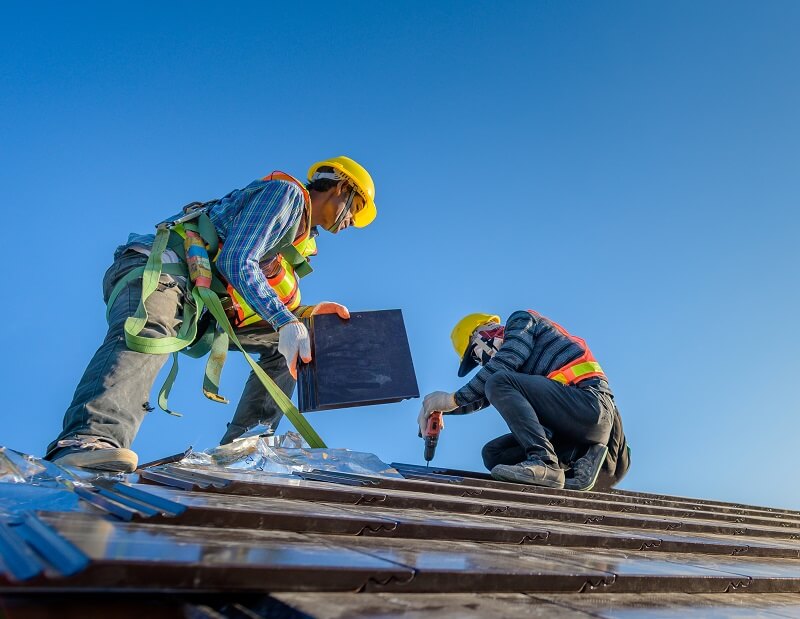
Roof installation is one of the most important services offered by commercial roofing contractors. The process begins with assessing the building’s structure, selecting appropriate roofing systems, and ensuring compliance with safety codes. Options may include single-ply membranes, metal roofing, built-up systems, and modified bitumen.
A professional installation minimizes risks of leaks and structural problems, while enhancing durability and performance. Contractors use advanced techniques and equipment to deliver long-lasting results tailored to a building’s needs.
Roof Repairs
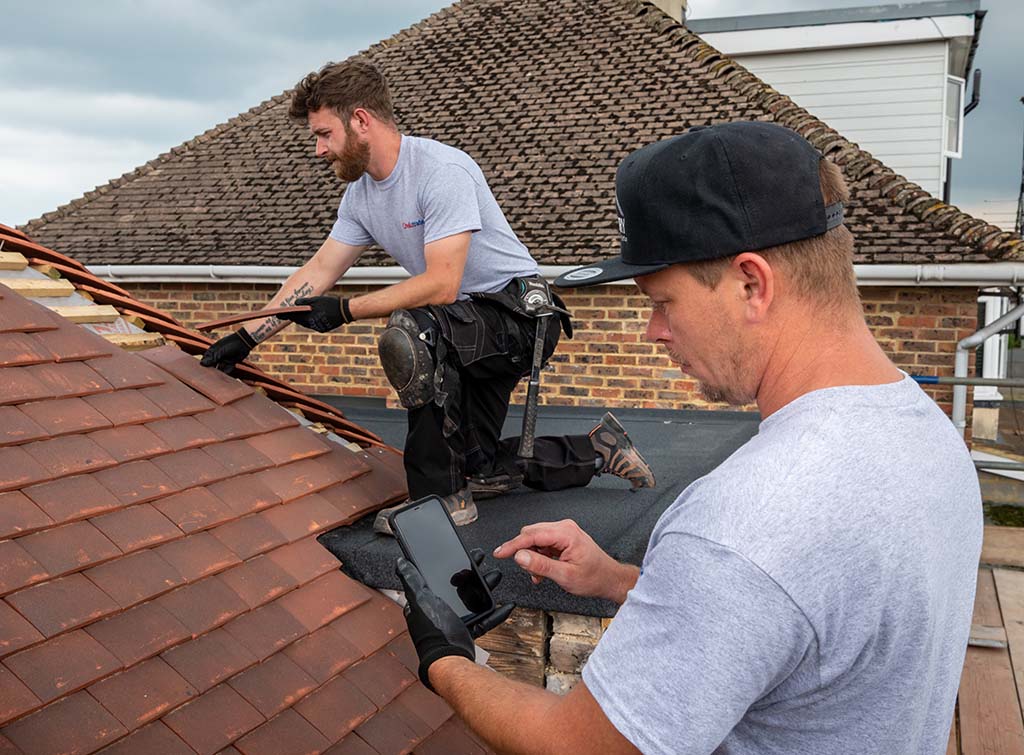
Roofing systems inevitably experience wear and tear. Commercial roofing contractors provide repair services to fix leaks, replace damaged materials, and restore waterproofing. Prompt repairs are critical for preventing small issues from escalating into major damage that disrupts business operations.
By relying on skilled contractors, businesses ensure that repairs use high-quality materials and are performed to industry standards. This guarantees reliability and safety for occupants and equipment inside the building.
Roof Maintenance and Inspections
Regular maintenance is essential for maximizing the lifespan of a commercial roof. Contractors provide scheduled inspections that identify potential issues early. Maintenance may include cleaning debris, checking flashing, repairing seams, and inspecting drainage systems.
Proactive maintenance helps property owners save money by preventing costly emergency repairs. It also ensures the roof continues to perform efficiently in protecting the building.
Roof Replacement
When a roof has reached the end of its service life, commercial roofing contractors handle complete replacements. This process involves removing the old roof and installing a new system that meets modern standards. Roof replacement also presents an opportunity to improve energy efficiency and sustainability.
A professionally managed replacement ensures minimal disruption to operations while delivering long-term durability and compliance with safety regulations.
Benefits of Hiring Professional Commercial Roofing Contractors
Expertise and Knowledge
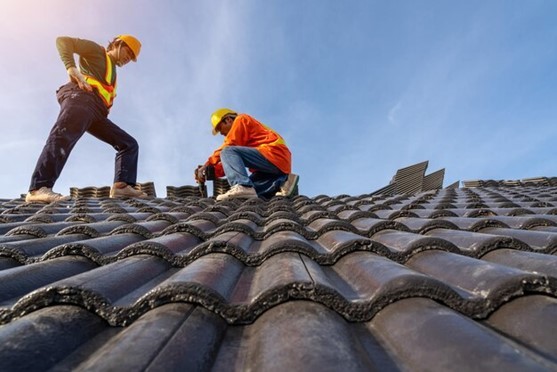
Commercial roofing contractors bring years of experience and specialized training. They understand the unique challenges of large-scale projects, from handling extensive surface areas to managing heavy-duty materials. Their knowledge ensures that projects are executed safely and efficiently.
Use of Advanced Technology
Modern roofing contractors use cutting-edge technology to enhance accuracy and efficiency. Drones allow aerial inspections, infrared scanners detect hidden leaks, and advanced software generates precise project estimates. These innovations provide better outcomes for clients while reducing risks of costly errors.
Safety and Compliance
Roofing projects involve inherent risks, particularly at commercial scales. Contractors follow strict safety protocols, use protective equipment, and comply with building codes. This reduces liability for property owners and ensures the project is completed without accidents.
Cost Savings Over Time
Although hiring professionals may seem expensive initially, the investment pays off in the long run. Proper installation, routine maintenance, and timely repairs extend the roof’s lifespan, reducing the need for frequent replacements. This makes professional contractors a cost-effective solution.
Real-World Examples of Commercial Roofing Applications
Example 1: TPO Roofing for Large Retail Stores
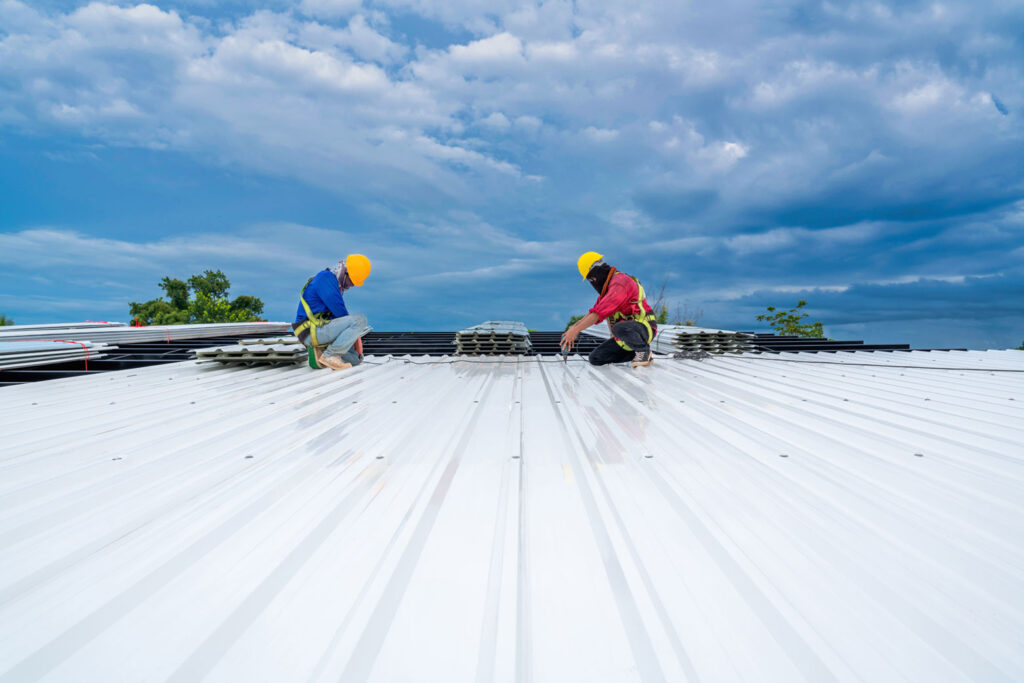
Retail chains often use TPO (thermoplastic polyolefin) roofing for its energy efficiency. A contractor installs reflective TPO membranes that reduce cooling costs in large commercial spaces.
The result is lower utility expenses and improved comfort for customers and employees, demonstrating how the right contractor’s expertise impacts energy management.
Example 2: Built-Up Roofing in Educational Institutions
Schools and universities often use built-up roofing (BUR) because of its durability. Contractors install multiple layers of asphalt and reinforcing fabric topped with gravel, creating a strong, waterproof system.
The strength of BUR ensures long-lasting protection, allowing schools to focus on education rather than frequent roofing issues.
Example 3: Metal Roofing in Industrial Facilities
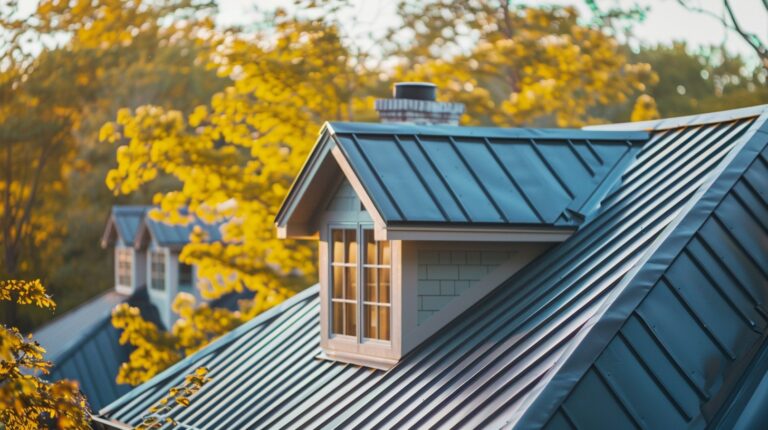
Industrial plants frequently choose metal roofing for its longevity and low maintenance. Contractors provide precise installation of panels designed to withstand extreme conditions.
Metal roofs also offer fire resistance and recyclability, making them a sustainable choice for industries with demanding safety and environmental standards.
Example 4: Modified Bitumen in Healthcare Buildings
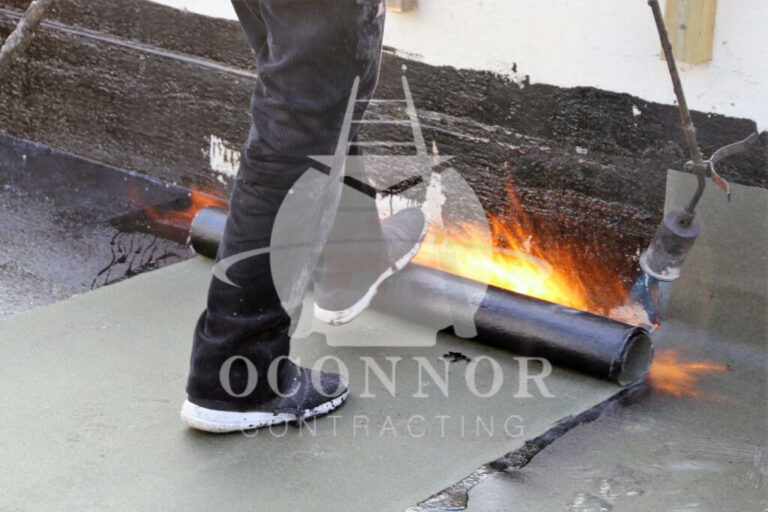
Hospitals and clinics require dependable roofing systems. Contractors install modified bitumen, which combines asphalt and polymer modifiers for flexibility and durability.
This system ensures reliability in protecting sensitive medical equipment and maintaining uninterrupted healthcare services.
Use Cases for Commercial Roofing Contractors
Office Buildings
Commercial roofing contractors help office complexes maintain safe and energy-efficient environments. Regular inspections and repairs reduce downtime and protect tenants’ businesses.
Warehouses and Distribution Centers
Warehouses rely on professional contractors to manage flat roofs that support heavy mechanical systems. Contractors ensure durability and resistance to wear caused by equipment and frequent traffic.
Public Sector Buildings
Hospitals, schools, and government facilities benefit from professional roofing services that ensure compliance with regulations and long-term safety.
Frequently Asked Questions
1. How often should commercial roofing contractors perform inspections?
Inspections should be scheduled at least twice a year and after major storms. Regular inspections help identify minor issues before they become costly problems.
2. What factors influence the cost of hiring commercial roofing contractors?
Costs vary depending on the type of roofing material, building size, project complexity, and required services such as repairs or replacement. Contractors provide customized estimates based on these factors.
3. How do I choose the right commercial roofing contractor?
Look for contractors with proven experience in commercial projects, proper licensing, insurance, and strong client references. Contractors who use modern technology and prioritize safety are often the best choice.