Eco Roof Service: Sustainable Roofing Solutions, Benefits, and Real-World Applications
Eco roof service refers to roofing solutions designed with environmental sustainability at their core. Unlike traditional roofing systems that primarily focus on protection, eco-friendly roofs emphasize energy efficiency, renewable materials, and reduced environmental impact. These systems combine functionality with ecological responsibility, making them an increasingly popular choice in both residential and commercial construction.
Eco roof service encompasses various approaches, including living green roofs, reflective cool roofs, and roofs that integrate renewable energy systems like solar panels. By selecting eco-friendly materials and technologies, property owners benefit from lower energy costs, longer-lasting roofing solutions, and a reduced carbon footprint. As sustainable construction gains momentum, eco-roof service is becoming essential for future-ready buildings.
Types of Eco Roof Systems
Green Roofs
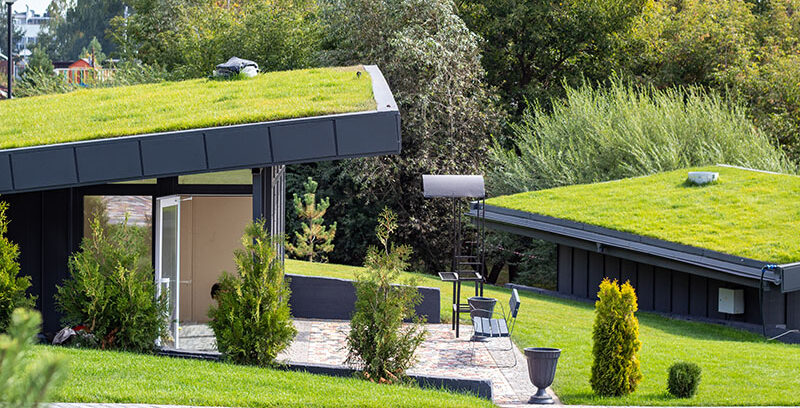
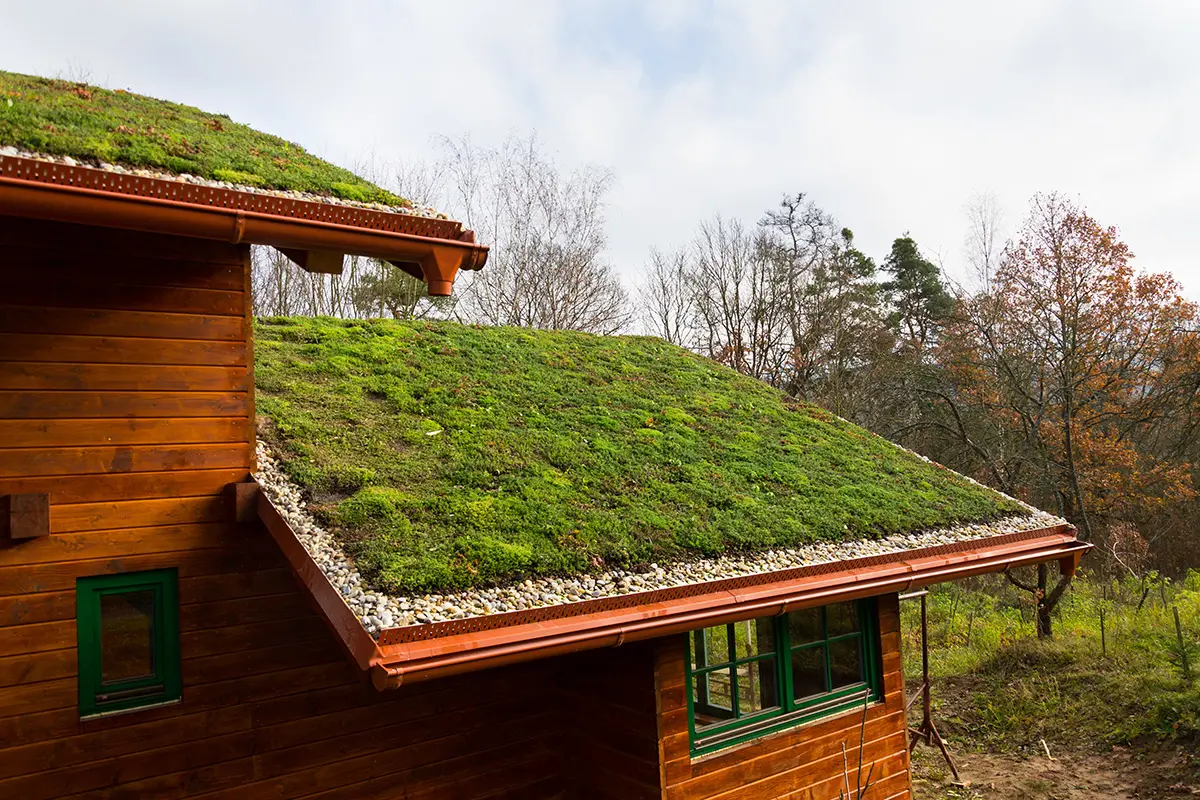
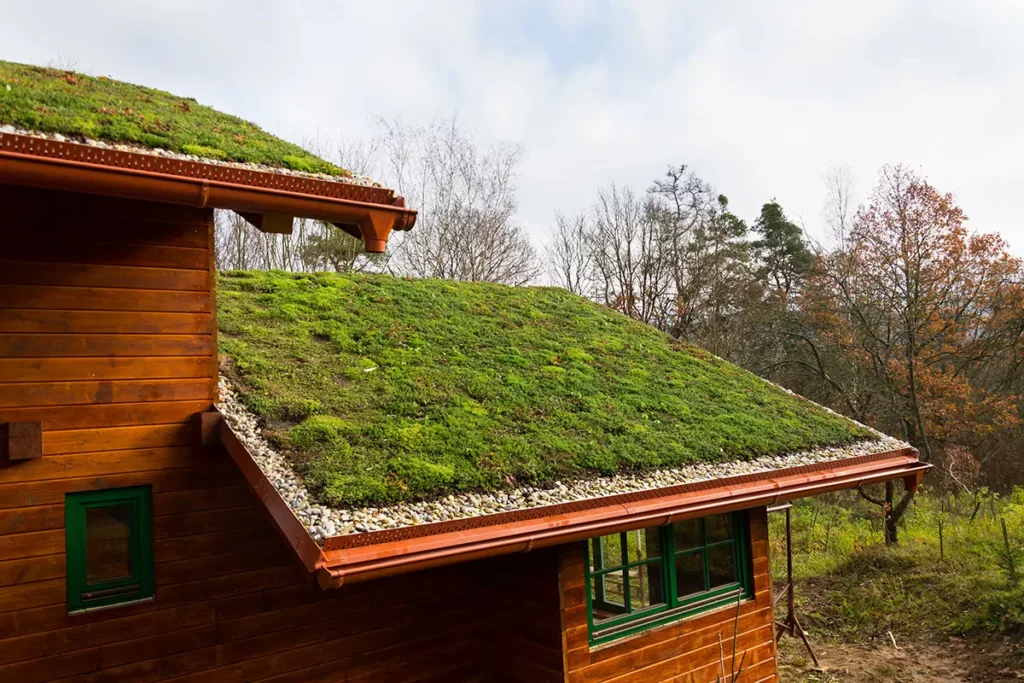
Green roofs, also known as living roofs, incorporate layers of soil and vegetation over a waterproofing membrane. These roofs provide natural insulation, reduce stormwater runoff, and improve air quality by filtering pollutants. They also enhance biodiversity by creating habitats for birds, bees, and other small wildlife.
Green roofs come in two main forms: extensive and intensive. Extensive green roofs feature lightweight soil and low-maintenance plants such as sedum, while intensive green roofs allow for deeper soil and larger vegetation, even small trees. Both types significantly contribute to sustainable urban development.
Cool Roofs
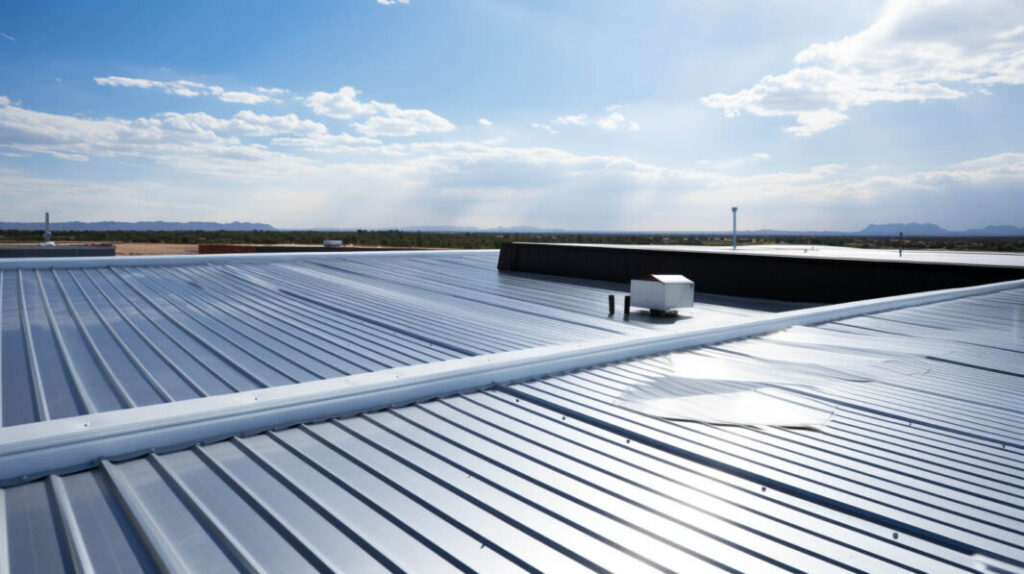
Cool roofs are designed with reflective coatings or light-colored materials that reduce heat absorption. By reflecting sunlight, they lower rooftop temperatures and reduce the need for air conditioning inside the building. This not only lowers energy bills but also helps mitigate the urban heat island effect.
Cool roof technology is adaptable to various materials, including single-ply membranes, asphalt shingles, and metal roofing. Its versatility and proven performance make it one of the most cost-effective eco roof service solutions available today.
Solar Roofs
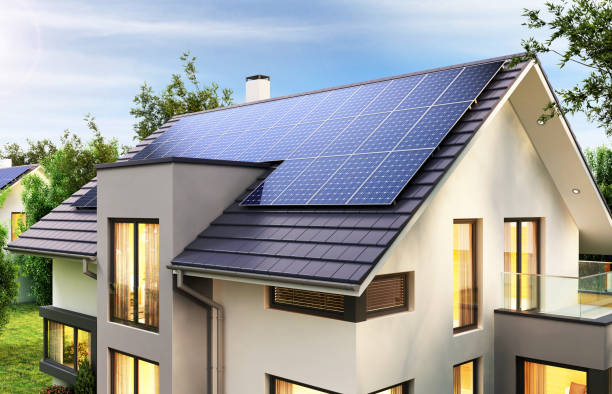
Solar roofing integrates photovoltaic panels directly into the roofing system. These roofs generate renewable electricity, offsetting reliance on non-renewable energy sources. Modern solar roofs can be designed as panels mounted on traditional roofs or as solar shingles that blend seamlessly with the architecture.
Solar roofs represent one of the most innovative co-roofing service options. They not only provide standard protection but also generate power, helping homeowners and businesses achieve energy independence while lowering carbon emissions.
Recycled and Sustainable Materials
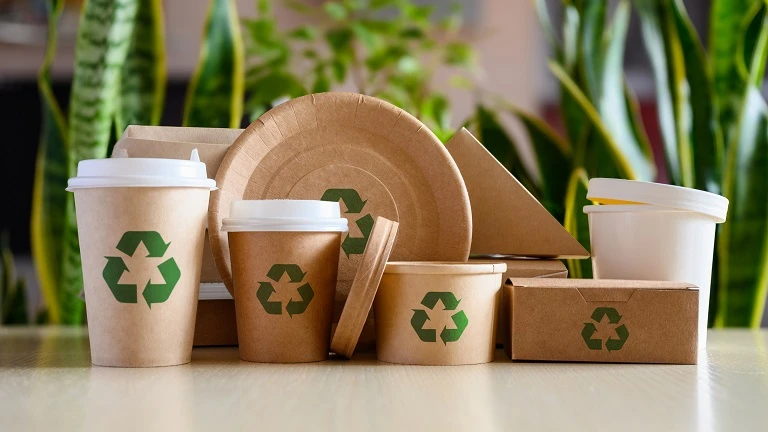
Another dimension of eco-roof service involves using recycled or sustainable materials in roofing systems. Options include recycled metal, rubber, and plastic-based shingles, as well as sustainably sourced wood. These materials minimize waste, reduce the demand for virgin resources, and provide durable, long-lasting protection.
Sustainable roofing materials often perform as well as, if not better than, traditional ones, making them a practical choice for eco-conscious property owners who want performance without compromising environmental responsibility.
Benefits of Eco Roof Service
Energy Efficiency
Eco roofs reduce energy consumption through insulation, reflection, and renewable energy generation. Green roofs provide natural insulation, cool roofs lower cooling demands, and solar roofs produce clean energy on-site. These combined benefits result in significant long-term cost savings.
Environmental Impact Reduction
By using recycled materials, supporting biodiversity, and reducing carbon emissions, eco roof service solutions directly address environmental challenges. For example, green roofs filter stormwater and reduce runoff, improving water quality in urban environments.
Improved Building Lifespan
Eco-friendly roofing systems often enhance the overall durability of a structure. Green roofs protect underlying membranes from UV radiation, extending their lifespan. Similarly, reflective coatings prevent heat-related deterioration, reducing repair and replacement costs.
Enhanced Aesthetic Value
Many eco-roof systems contribute to visual appeal. Green roofs create natural landscapes atop buildings, while solar shingles blend seamlessly into rooftops. This aesthetic enhancement increases property value and integrates sustainability with design.
Real-World Examples of Eco Roof Service
Example 1: Green Roof in Urban Office Buildings
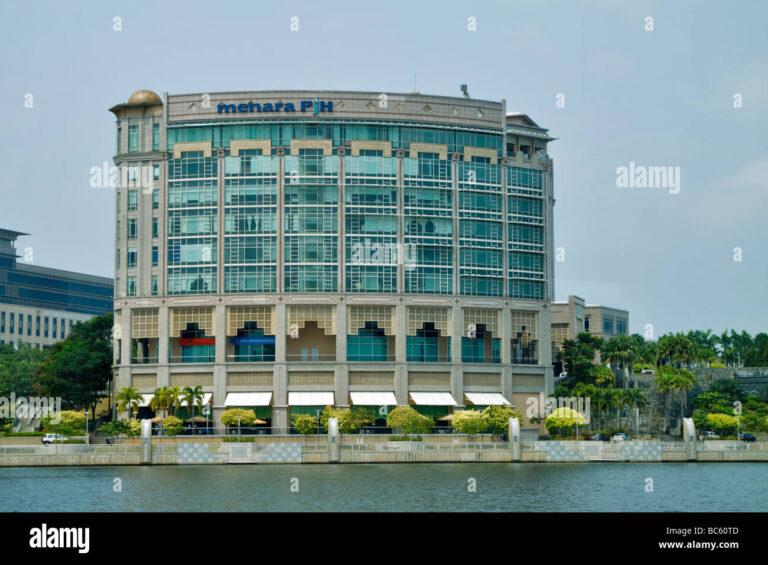
Many urban office complexes adopt green roofs to counteract the lack of natural space in city centers. These roofs improve employee well-being by providing accessible green spaces and contribute to environmental goals through stormwater management.
The combination of visual appeal and sustainability makes green roofs highly valuable in dense urban areas, where space for natural environments is limited. Their long-term benefits also align with corporate sustainability strategies.
Example 2: Cool Roofs in Schools
Educational institutions often turn to cool roofs to reduce operational costs and create healthier learning environments. By lowering indoor temperatures, cool roofs reduce reliance on air conditioning, resulting in significant energy savings.
Cool roofs also provide comfort during warmer months, ensuring that students and staff remain productive and comfortable. Their adaptability across different roofing materials makes them suitable for schools of varying sizes and budgets.
Example 3: Solar Roofs in Residential Homes
Homeowners increasingly install solar roofs to lower energy bills and increase self-sufficiency. Solar panels or shingles transform rooftops into power-generating systems, reducing reliance on traditional electricity sources.
The clean energy generated contributes to lower greenhouse gas emissions and long-term cost reductions. Homeowners benefit from energy independence while also enhancing the value of their property through innovative eeco-roofservice technology.
Example 4: Recycled Roofing in Warehouses
Large warehouses and industrial facilities frequently opt for roofing systems made from recycled materials. Recycled metal or rubber roofing provides the strength and durability required for large structures while supporting corporate sustainability goals.
By adopting recycled roofing, these facilities reduce waste and minimize environmental impact. The long lifespan of these materials also reduces maintenance and replacement costs, further supporting operational efficiency.
Use Cases for Eco Roof Service
Commercial Buildings
Eco roof service plays a vital role in commercial construction by reducing energy costs and improving building sustainability. Options like green roofs and cool roofs help businesses meet environmental certifications and attract eco-conscious clients.
Residential Homes
Homeowners benefit from eco roof service by lowering utility bills and improving indoor comfort. Solar roofs, in particular, provide long-term savings while enhancing property value. Green roofs also offer unique recreational spaces for homeowners.
Public Institutions
Government buildings, schools, and hospitals leverage eco-roof systems to reduce public energy expenditures and lead by example in sustainability practices. These systems also improve community resilience against climate challenges.
Frequently Asked Questions
1. How expensive are eco-roof services compared to traditional roofing?
Eco roof services may have higher upfront costs, especially with solar or green roofs. However, the long-term savings from reduced energy bills, extended roof lifespan, and potential incentives often outweigh the initial investment.
2. Can eco roofs be installed on any building?
Most buildings can accommodate eco-friendly roofing systems, but factors such as structural strength, climate, and budget determine the best solution. A professional assessment is usually necessary before installation.
3. How do eco-roof services impact maintenance needs?
Maintenance depends on the type of eco roof. Green roofs require vegetation care, while cool roofs and solar roofs primarily need periodic inspections and cleaning. Overall, eco roofs often reduce long-term maintenance by protecting underlying materials.