Roof Plano Guide: Materials, Benefits, and Real-World Applications for Flat Roofing
Roof plano, also known as flat roofing, is one of the most practical and widely used systems in both residential and commercial construction. Unlike pitched roofs, flat roofs provide a nearly horizontal surface with a slight slope to allow water drainage. This design makes them highly versatile for urban buildings, industrial structures, and modern homes.
Flat roofs, or roof plano systems, are popular for their ability to maximize space, reduce material usage, and provide accessibility for maintenance and additional features like rooftop gardens or solar panels. While they appear simple in design, their construction requires careful material selection and installation to ensure durability, waterproofing, and energy efficiency.
Common Materials for Roof Plano Systems
Single-Ply Membranes
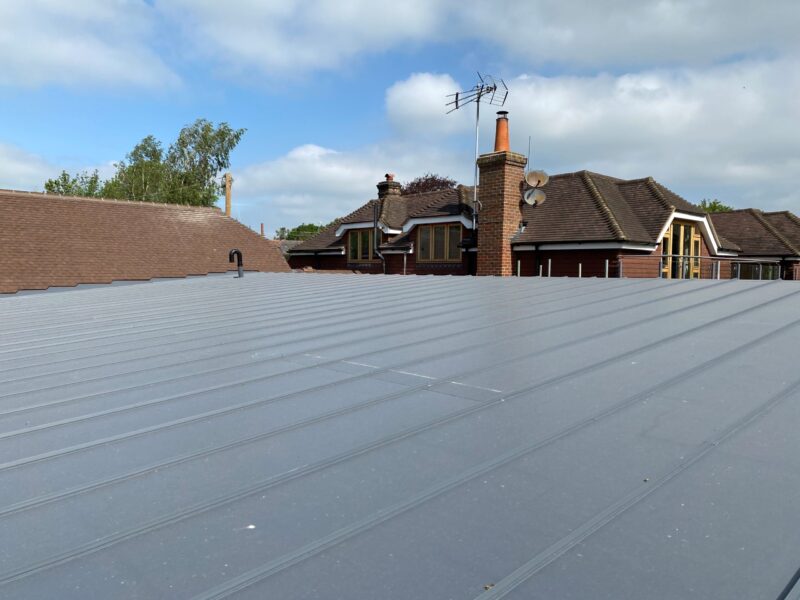
Single-ply membranes are among the most widely used materials for roof planar applications. These include TPO (thermoplastic polyolefin), PVC (polyvinyl chloride), and EPDM (ethylene propylene diene monomer). Each of these synthetic membranes provides strong resistance to weather, UV rays, and temperature extremes.
Single-ply membranes are lightweight and relatively easy to install. Their reflective properties, especially with TPO and PVC, help reduce heat absorption, improving building energy efficiency. EPDM is particularly valued for its flexibility and durability, making it suitable for climates with temperature variations.
Modified Bitumen
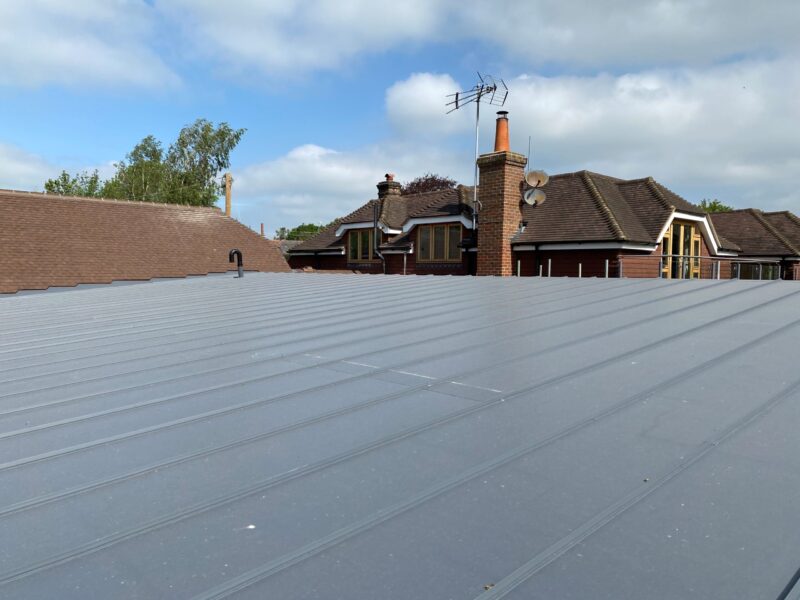
Modified bitumen is another common flat roofing material. It is made by blending asphalt with rubber or plastic polymers, resulting in enhanced flexibility and strength. This material is usually applied in multiple layers, providing strong waterproofing and resistance to damage.
Modified bitumen is well-suited for buildings in areas that experience frequent temperature fluctuations. Its durability and multi-layer application ensure that the roof remains secure against leaks, even under challenging conditions.
Built-Up Roofing (BUR)
Built-up roofing, or BUR, is one of the oldest flat roofing methods. It consists of alternating layers of asphalt and reinforcing fabric, finished with gravel or a reflective coating. BUR systems are highly durable and provide exceptional waterproofing.
While BUR installation can be labor-intensive, the result is a robust roof that performs well under heavy foot traffic. This makes it particularly useful for commercial buildings where rooftop access is frequent.
Metal Roofing for Flat Applications
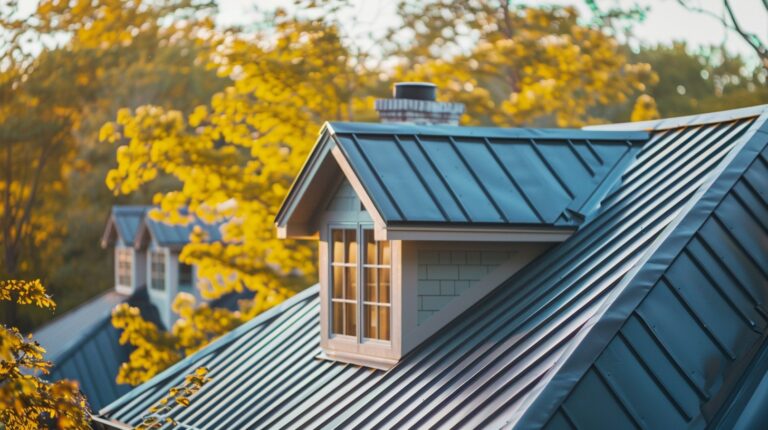
Metal panels can also be adapted for roof panel systems. Steel and aluminum are commonly used, offering excellent durability and weather resistance. Metal flat roofs are especially valued for their longevity, often lasting several decades with proper maintenance.
Metal roofing is also energy efficient due to its reflective surface, reducing heat absorption in warm climates. Additionally, it is recyclable, making it an environmentally sustainable choice.
Benefits of Roof Plano Systems
Maximized Usable Space
One of the key benefits of roof plano systems is the creation of usable rooftop space. Flat roofs can support HVAC equipment, solar panels, or even recreational areas like rooftop gardens. This maximization of space is especially valuable in urban settings where land is limited.
Cost Efficiency
Roof plano systems often require fewer materials compared to pitched roofs. Their simpler design makes installation faster and more cost-effective. Maintenance is also easier since the flat surface provides safe and convenient access.
Energy Efficiency
Flat roofs can be designed with reflective coatings or integrated insulation systems, helping regulate indoor temperatures. The use of TPO or PVC membranes significantly reduces cooling costs in hot climates, while added insulation helps retain heat during colder months.
Adaptability for Modern Technologies
Roof plano designs are highly adaptable for integrating technologies such as solar panels and green roofing systems. These modern solutions not only enhance sustainability but also contribute to long-term cost savings for building owners.
Real-World Examples of Roof Plano Systems
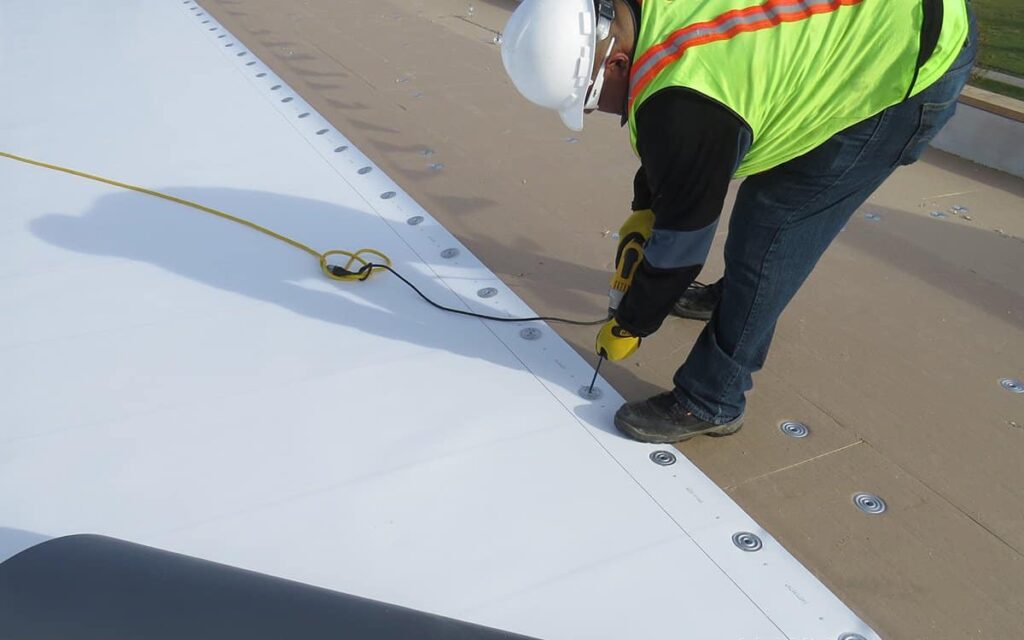
Example 1: TPO Membrane in Retail Buildings
Retail complexes often use TPO membranes for their flat roofs due to their reflective properties. These membranes reduce cooling demands, which is especially beneficial in large retail environments with high energy use.
Facility managers also prefer TPO for its lightweight nature and ease of installation, which reduces structural strain and construction time. The result is a reliable, cost-effective roofing solution that aligns with modern sustainability goals.
Example 2: BUR in Educational Institutions
Schools and universities frequently choose BUR systems for their flat roofs. The multiple layers provide enhanced protection against leaks, ensuring that classrooms and facilities remain safe and dry.
Since schools often require maintenance teams to access rooftops for HVAC units or repairs, BUR’s durability under foot traffic makes it an ideal choice. Its long history of proven performance continues to make BUR a reliable solution for educational facilities.
Example 3: Modified Bitumen in Hospitals
Healthcare facilities like hospitals rely on modified bitumen roofing systems because of their resilience and waterproofing capabilities. These buildings operate 24/7, and roof failures could disrupt critical services. Modified bitumen ensures reliable protection, even under demanding conditions.
Its flexibility allows it to adapt to building movement without cracking, providing long-term stability. This makes it a trusted choice for institutions where safety and reliability are paramount.
Example 4: Metal Roofing in Warehouses
Large warehouses often use flat metal roofing systems for their durability and low maintenance needs. Metal panels provide excellent protection against harsh weather and have a long lifespan, making them a cost-effective option for industrial facilities.
Additionally, the reflective nature of metal roofs helps regulate interior temperatures, protecting stored goods and reducing energy expenses. For businesses, this combination of strength and efficiency makes metal roofing a practical choice.
Use Cases for Roof Plano Systems
Commercial Buildings
Flat roofing is particularly beneficial for commercial buildings, offering space for equipment and easy access for repairs. Materials like TPO and BUR provide long-lasting performance that minimizes operational disruptions.
Residential Homes
Modern homes increasingly adopt flat roofs for their sleek, contemporary design. Beyond aesthetics, roof plano systems allow homeowners to integrate features like rooftop decks, gardens, or solar panels, enhancing functionality and sustainability.
Industrial Facilities
Industrial properties benefit from flat roofing due to its cost-effectiveness and ability to support heavy machinery installations. Metal and modified bitumen roofs provide the durability needed for these demanding environments.
Frequently Asked Questions
1. How long does a flat roof last?
The lifespan depends on the material. TPO and PVC membranes typically last 20–30 years, BUR systems 25–40 years, modified bitumen around 20–30 years, and metal roofing up to 50 years or more with proper maintenance.
2. Are flat roofs prone to leaks?
Flat roofs require precise installation and regular maintenance to prevent leaks. High-quality materials like single-ply membranes and modified bitumen significantly reduce leak risks when installed correctly.
3. Can flat roofs support additional features like solar panels?
Yes, flat roofs are ideal for integrating solar panels, green roofs, and HVAC equipment. Their accessible design and strength make them well-suited for supporting additional technologies and functional enhancements.