Roofing Explained: Comprehensive Guide to Materials, Benefits, and Real-World Applications
Roofing is one of the most crucial elements of any structure, serving as the primary barrier against weather, temperature fluctuations, and environmental hazards. Beyond basic protection, roofing influences energy efficiency, aesthetic appeal, and even property value. Whether for residential homes or commercial buildings, the right roofing system provides durability, safety, and sustainability.
Modern roofing has advanced far beyond traditional shingles and tiles. Today, materials, designs, and technologies offer a variety of solutions tailored to specific climates, building structures, and energy-saving goals. Understanding the options and their benefits enables property owners to make informed decisions that strike a balance between cost, longevity, and environmental impact.
Types of Roofing Materials
Asphalt Shingles
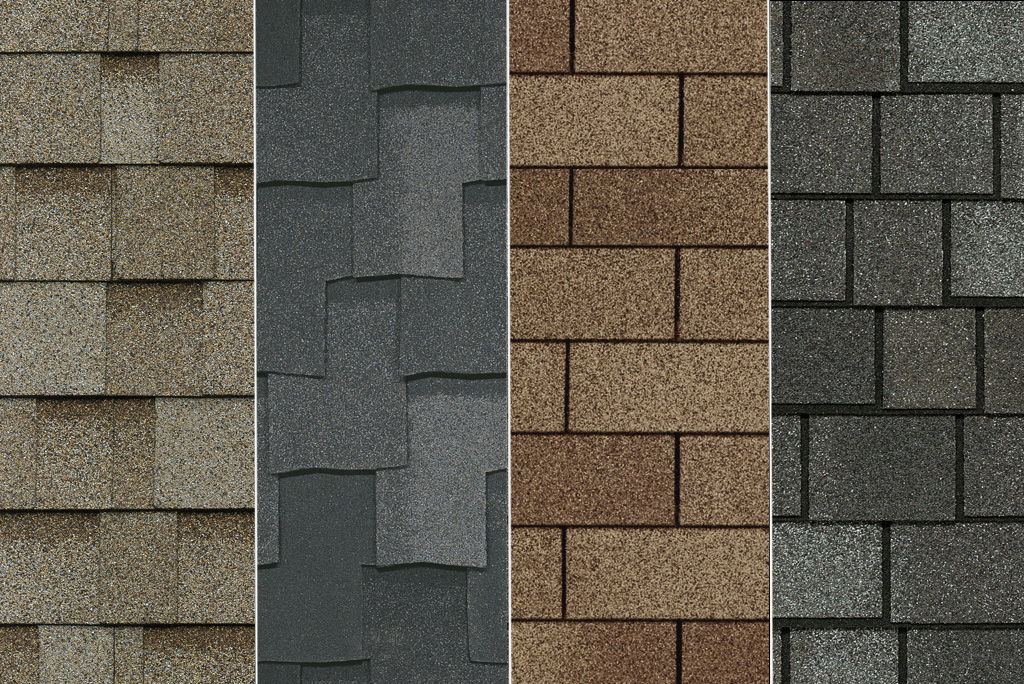
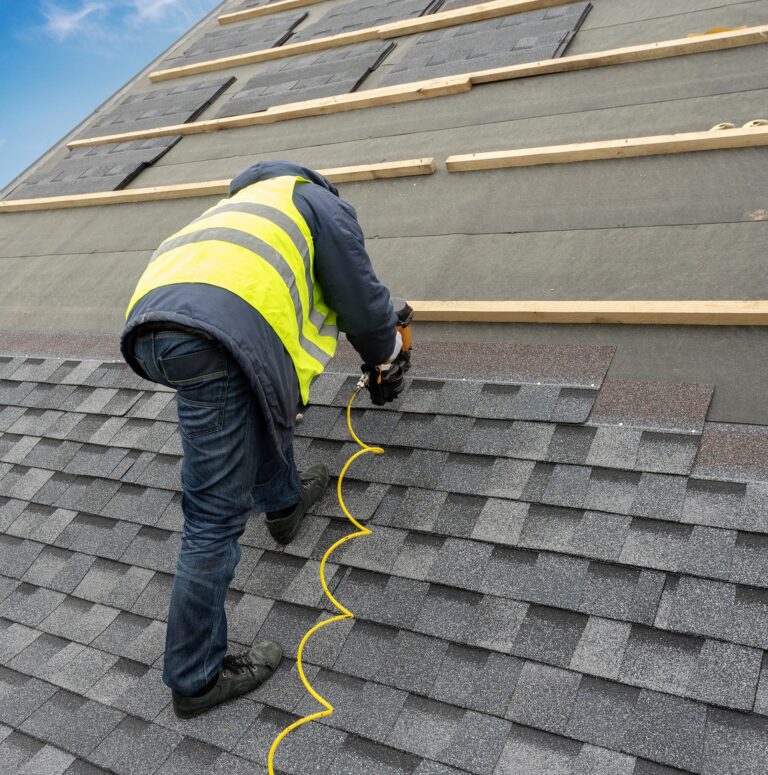
Asphalt shingles remain the most widely used roofing material, especially in residential properties. They are made of fiberglass or organic mats coated with asphalt and topped with mineral granules. This design offers strong weather resistance and is available in a variety of colors and styles.
One of the main reasons homeowners choose asphalt shingles is affordability and ease of installation. They also offer decent fire resistance and a lifespan of 15 to 30 years, depending on quality. With proper ventilation and maintenance, asphalt shingles can provide reliable protection at a relatively low cost.
Metal Roofing
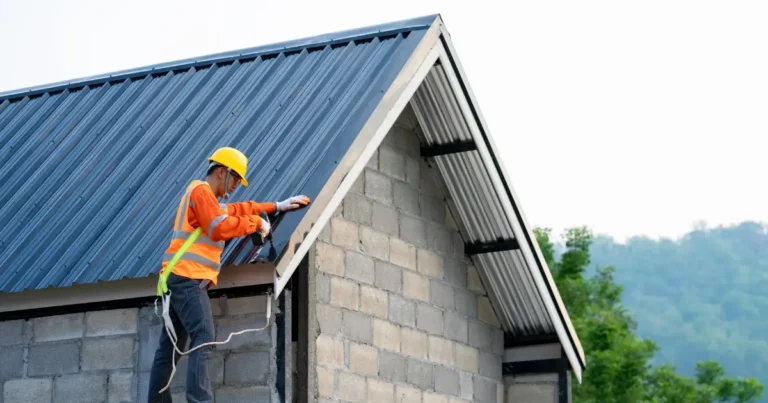
Metal roofing has become increasingly popular for both residential and commercial buildings. Made from materials like aluminum, steel, or copper, metal roofs are known for their exceptional durability, energy efficiency, and low maintenance requirements.
These roofs can last 40–70 years, making them a long-term investment. Their reflective surfaces reduce heat absorption, lowering cooling costs in hot climates. Additionally, metal roofing is fully recyclable, making it one of the most eco-friendly options available. It also performs well under heavy snow, rain, and high winds.
Clay and Concrete Tiles
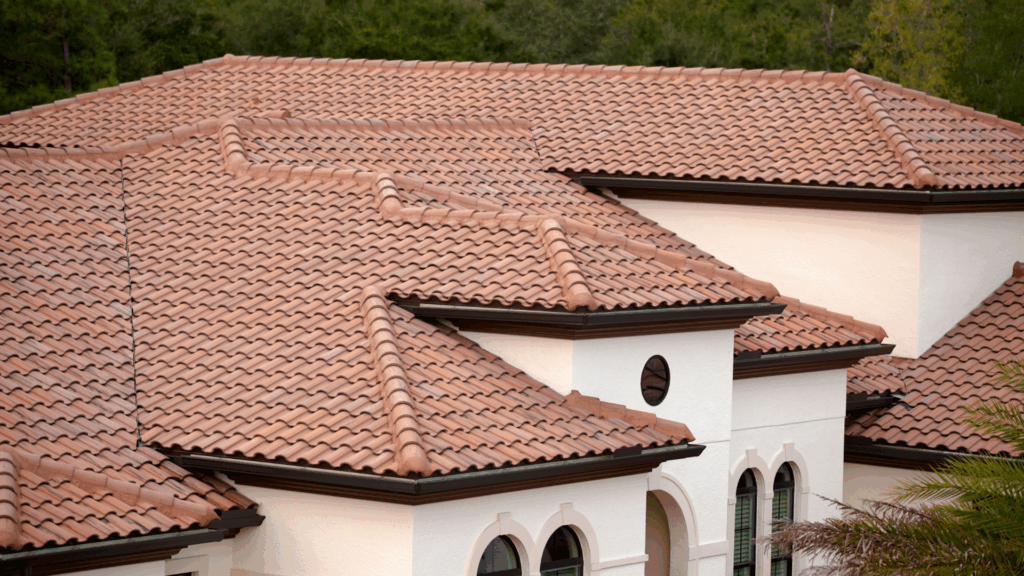
Clay and concrete tiles are traditional roofing materials known for their distinctive appearance and long-lasting performance. They are particularly popular in Mediterranean, Spanish, and Southwestern architectural styles. Both clay and concrete offer superior resistance to fire, pests, and rot.
Clay tiles can last over 100 years, while concrete tiles often last 50 years or more. These materials, however, are heavy, requiring strong structural support. Their durability and aesthetic appeal make them an attractive choice for homeowners seeking a blend of performance and design.
Slate Roofing
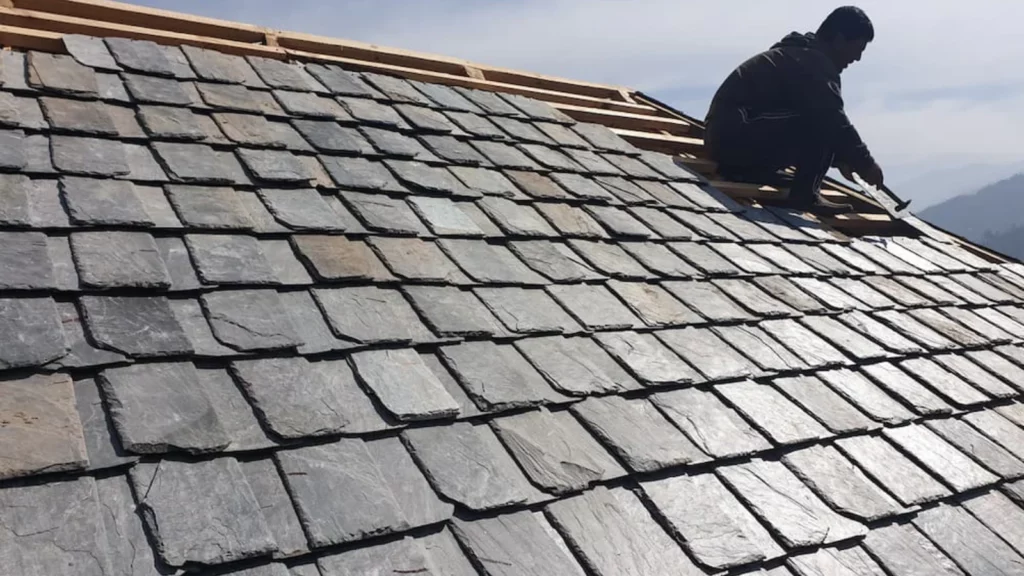
Slate roofing is considered one of the most premium materials in the industry. Made from natural stone, slate offers unmatched beauty and durability, often lasting 75 to 100 years or more. It is highly resistant to fire, mold, and severe weather conditions.
Although slate roofing is more expensive and requires professional installation due to its weight and fragility, it remains a top choice for luxury homes and historic restorations. Its timeless appearance and impressive lifespan make it one of the most reliable roofing solutions available.
Wood Shingles and Shakes
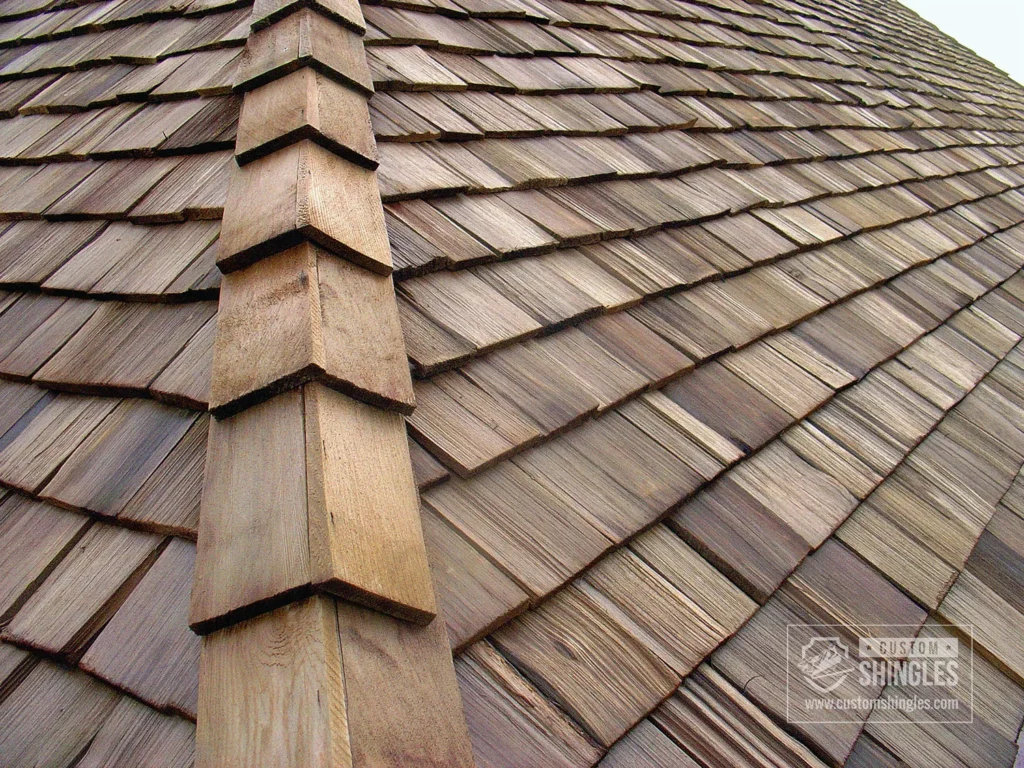
Wood shingles and shakes bring a natural, rustic charm to roofing. Shingles are machine-cut for a smooth, uniform look, while shakes are hand-split, giving them a more textured appearance. Cedar is the most common wood used, known for its natural resistance to insects and decay.
Wood roofs typically last 20–40 years with proper care. They require regular maintenance to prevent moss, mold, or fire hazards. Despite these challenges, wood remains a popular choice for homeowners who value aesthetics and eco-friendly, renewable building materials.
Benefits of Roofing Systems
Protection Against the Elements
The primary role of roofing is to shield structures from rain, snow, wind, and sunlight. High-quality materials ensure that homes and buildings remain secure and dry even during severe weather events. This protection extends the lifespan of the structure itself by preventing water damage, rot, and mold.
Energy Efficiency and Comfort
Modern roofing systems contribute to energy savings by reducing heat absorption and improving insulation. Metal and reflective roofing materials, for example, help lower cooling costs in hot climates. Properly designed roofs can also minimize heat loss during winter, reducing heating expenses.
Longevity and Cost Savings
Investing in durable roofing materials can significantly reduce long-term costs. While premium materials like slate or metal require higher upfront investment, their extended lifespans mean fewer replacements and repairs. This long-term reliability translates into savings over decades.
Environmental Sustainability
Many roofing systems are now designed with eco-friendly features. Recyclable materials, energy-reflective surfaces, and natural options like wood contribute to sustainability. Some roofing technologies even integrate solar panels, further enhancing energy efficiency while reducing carbon footprints.
Real-World Examples of Roofing Applications
Example 1: Asphalt Shingles in Suburban Homes
Asphalt shingles dominate suburban neighborhoods due to their cost-effectiveness and versatility. They can be installed quickly and are available in a wide range of styles, making them suitable for different architectural designs. Homeowners also appreciate the balance between affordability and performance.
In areas with moderate climates, asphalt shingles provide consistent protection without the need for heavy structural reinforcement. Their adaptability explains why they remain a top choice for residential roofing.
Example 2: Metal Roofing in Industrial Facilities
Large warehouses and industrial plants frequently use metal roofing systems. These roofs provide the durability needed to withstand harsh environmental conditions and reduce maintenance costs. Their reflective properties also help regulate internal temperatures, reducing the energy required for cooling expansive facilities.
In addition, the longevity of metal roofing ensures that industrial operations remain uninterrupted by frequent roof repairs or replacements. This reliability makes metal roofing an indispensable solution in demanding industries.
Example 3: Clay Tiles in Coastal Homes
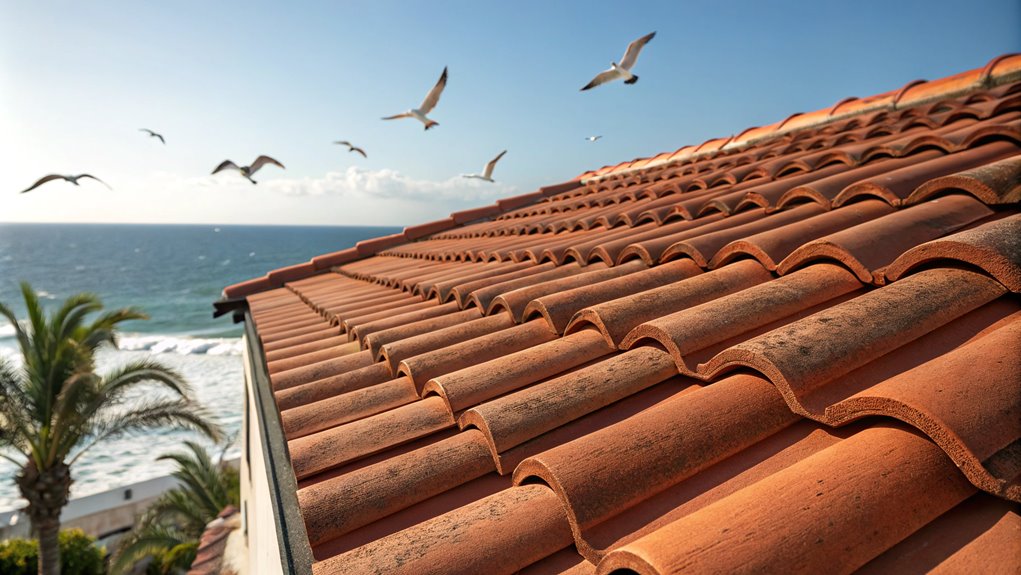
Clay tiles are especially common in coastal regions where high humidity, salt air, and heavy rainfall can damage less durable materials. Their natural resistance to moisture and decay makes them ideal for these environments. Coastal homeowners also enjoy the aesthetic appeal that clay tiles bring to their properties.
Beyond durability, clay tiles help maintain cooler indoor environments by allowing natural airflow under the tiles. This passive cooling effect makes them practical for warm, humid climates.
Example 4: Slate Roofing in Historic Buildings
Slate roofing is often used in historic preservation projects because of its authenticity and long lifespan. Restoration of churches, government buildings, and old mansions frequently involves slate, ensuring that the architecture remains true to its original design.
The durability of slate also reduces the frequency of future renovations, helping preserve cultural heritage for generations. Its visual appeal enhances the value and historical accuracy of restored structures.
Example 5: Wood Shakes in Eco-Friendly Homes
Eco-conscious homeowners often choose wood shakes for their renewable and biodegradable qualities. When sourced responsibly, wood roofing contributes to sustainable construction practices. Its rustic aesthetic also blends harmoniously with natural landscapes.
While wood requires regular upkeep, many homeowners accept the trade-off for its eco-friendly benefits and unique charm. In green building projects, wood shakes represent a balance between tradition and environmental responsibility.
Use Cases for Roofing Systems
Residential Properties
For homeowners, roofing ensures comfort, protection, and style. Materials like asphalt shingles and wood shakes are commonly used because of their affordability and aesthetic variety. Proper roofing also prevents costly structural damage caused by leaks or weather exposure.
Commercial Buildings
Commercial structures, including offices and warehouses, require roofing that balances durability, energy efficiency, and low maintenance. Metal and flat roofing systems are often the preferred choices for businesses seeking reliable, long-term protection.
Historic Preservation
Restoration projects often require roofing materials that maintain architectural authenticity. Slate and clay tiles are frequently chosen for their historical significance, durability, and visual appeal, ensuring cultural landmarks remain intact.
Frequently Asked Questions
1. How long does a typical roof last?
The lifespan depends on the material. Asphalt shingles last 15–30 years, metal roofs 40–70 years, clay tiles 50–100 years, and slate up to 100 years or more. Proper maintenance can extend these lifespans significantly.
2. What factors should I consider when choosing roofing material?
Important considerations include climate, budget, architectural style, and long-term maintenance. For example, metal roofs work well in areas with heavy snow, while clay tiles are ideal for hot, humid climates.
3. Can roofing systems improve energy efficiency?
Yes, many modern roofing systems include reflective materials or insulation enhancements that reduce heat absorption. This lowers cooling and heating costs, contributing to overall energy efficiency in homes and businesses