Roof Replacement: Complete Guide to Process, Benefits, Technology, and Real-World Examples
Roof replacement is one of the most significant investments a property owner can make, ensuring safety, comfort, and long-term protection. Unlike roof repairs that target isolated problems, roof replacement involves removing the entire existing roof system and installing a new one designed to last for decades.
Understanding roof replacement is crucial for both homeowners and businesses. It not only safeguards against leaks and weather damage but also improves energy efficiency, aesthetics, and property value. A properly executed replacement can prevent costly structural issues and provide peace of mind for years.
Reasons Roof Replacement Becomes Necessary
Age of the Roof
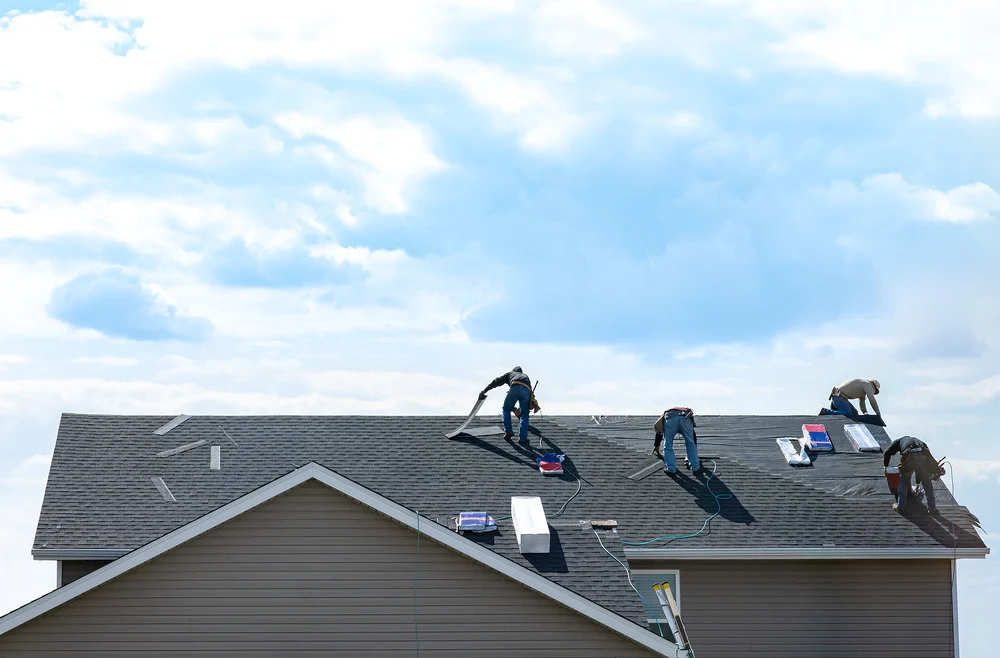
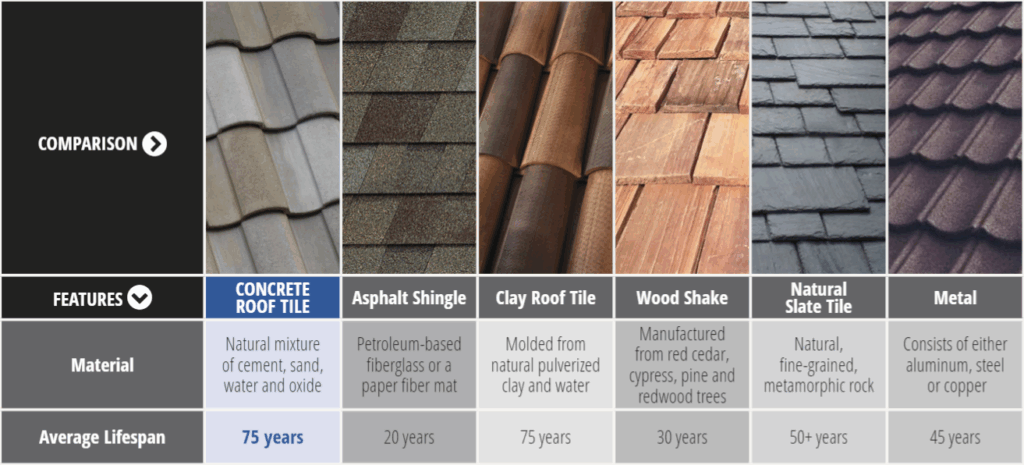
Every roofing material has a defined lifespan. Asphalt shingles typically last 20–30 years, metal roofing can last 40–70 years, while slate and tile may exceed 100 years with proper care. Once a roof reaches the end of its expected life, deterioration accelerates, and frequent repairs may no longer be effective.
Aging roofs often show signs like curling shingles, granule loss, sagging areas, or frequent leaks. At this stage, roof replacement is the most practical solution to restore full protection.
Severe Weather and Environmental Damage
Storms, high winds, hail, and extreme heat or cold can cause irreversible roof damage. Even if repairs seem sufficient, hidden weaknesses may persist and lead to long-term issues.
Roof replacement after major storm events ensures that the new system is reinforced with modern materials that are more resistant to harsh environmental conditions.
Structural Problems
A sagging roof or signs of water infiltration into the decking and attic often signal deeper structural issues. Replacing the roof allows professionals to repair the underlying structure, preventing further risks and ensuring the building remains safe.
The Roof Replacement Process
Professional Roof Inspection
Roof replacement starts with a detailed inspection by certified professionals. They examine shingles, flashing, gutters, ventilation, and decking to determine the full extent of issues.
This stage is critical because it ensures that the roof replacement addresses not only visible wear but also hidden damage.
Removal of Existing Roof
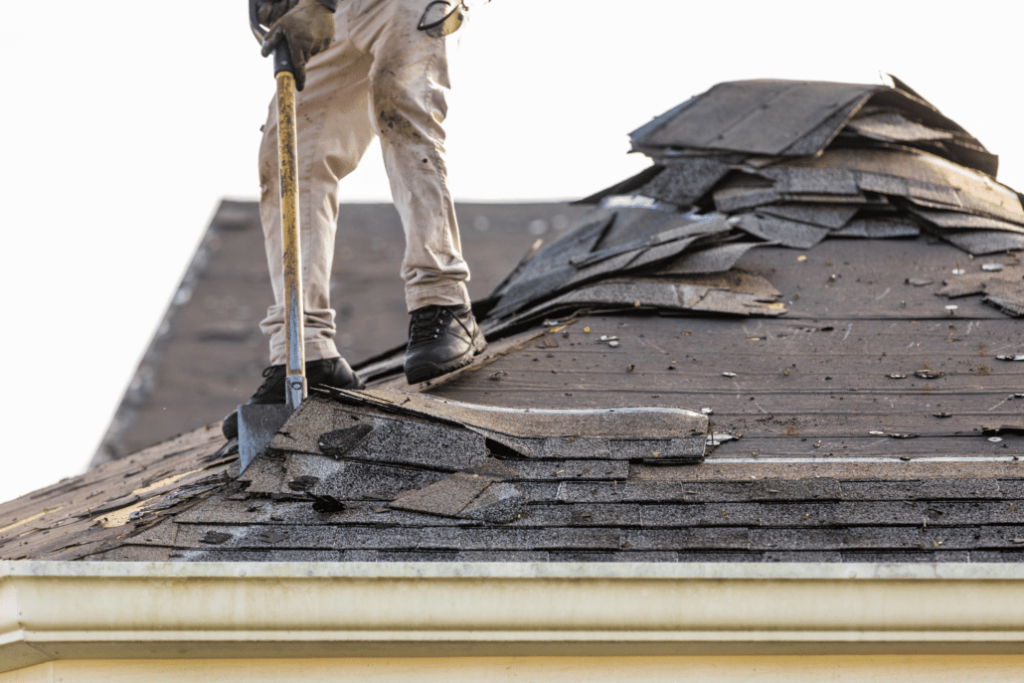
The old roofing materials are carefully removed, exposing the underlying structure. This step allows contractors to identify areas with rot, mold, or water damage.
Removing the entire system ensures the new roof is installed on a stable, clean base, maximizing durability and performance.
Installation of the New Roof System
Modern roof replacement includes laying down underlayment, installing flashing around joints, adding shingles or panels, and ensuring ventilation systems are in place. Each layer contributes to a complete protective system.
Today’s roofing materials are designed for greater weather resistance, energy efficiency, and curb appeal, offering property owners long-term benefits.
Final Quality Check and Cleanup
After installation, contractors conduct a final inspection to verify craftsmanship and ensure all safety and performance standards are met. Debris and old materials are removed from the property, leaving the site clean.
Technology in Roof Replacement
Drone Inspections
Drones provide contractors with aerial footage of roofing systems, making inspections safer and more detailed. They can capture areas that are otherwise hard to access and deliver high-resolution images for analysis.
Property owners benefit by seeing accurate visuals of their roof condition before and after replacement.
Infrared Thermal Imaging
Thermal cameras detect trapped moisture or insulation gaps that are invisible during a standard inspection. Identifying these issues ensures that replacement addresses deeper concerns, improving the efficiency of the new roof.
This technology is particularly valuable for commercial roof replacements, where hidden leaks could damage equipment or inventory.
Digital Estimation Tools
Roofing companies increasingly rely on software to generate accurate cost estimates, project timelines, and 3D visual models. These tools enhance communication between contractors and property owners, ensuring full transparency during roof replacement planning.
Real-World Examples of Roof Replacement
Example 1: Suburban Asphalt Shingle Replacement
A suburban family replaced their 25-year-old asphalt shingle roof with upgraded architectural shingles. This not only enhanced the home’s protection against storms but also boosted its curb appeal.
The new roof increased the home’s resale value, providing a return on investment while offering improved safety.
Example 2: Metal Roof Replacement for a Farmhouse
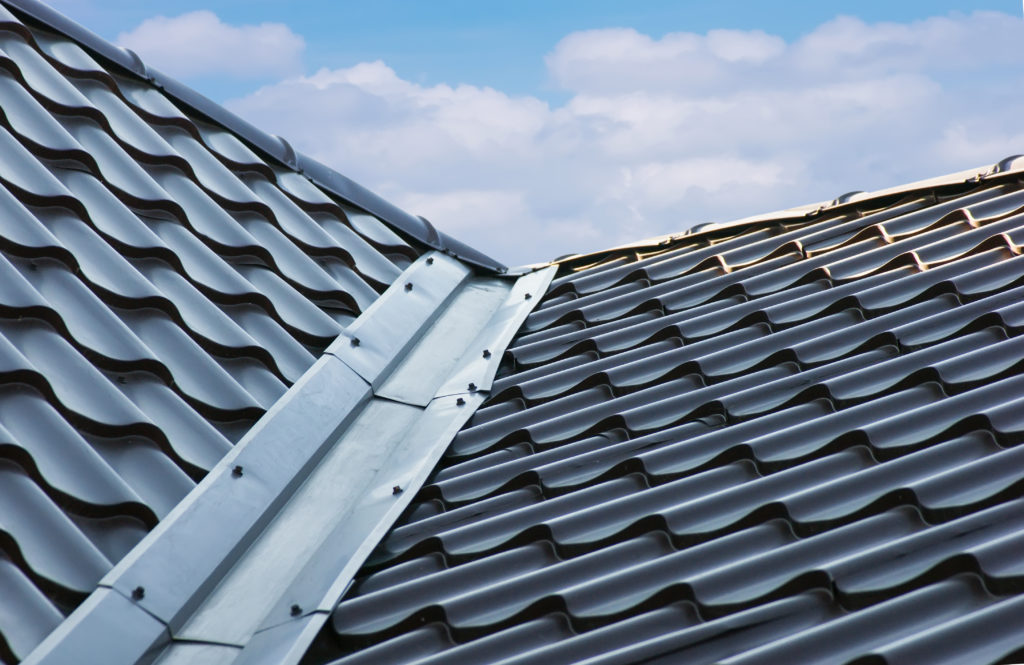
A farmhouse roof that had sustained years of storm damage was replaced with a standing seam metal system. This choice provided long-lasting protection, reduced maintenance, and increased energy efficiency through reflective coatings.
The property owner now enjoys lower utility bills and a roof expected to last over 50 years.
Example 3: Commercial Flat Roof Replacement
A retail complex replaced its failing flat roof with a TPO membrane system. This upgrade solved issues of water pooling and leaks while improving energy efficiency through reflective surfaces.
The new roof reduced operating costs for the businesses and extended the building’s structural lifespan.
Example 4: Slate Roof Replacement on a Historic Property
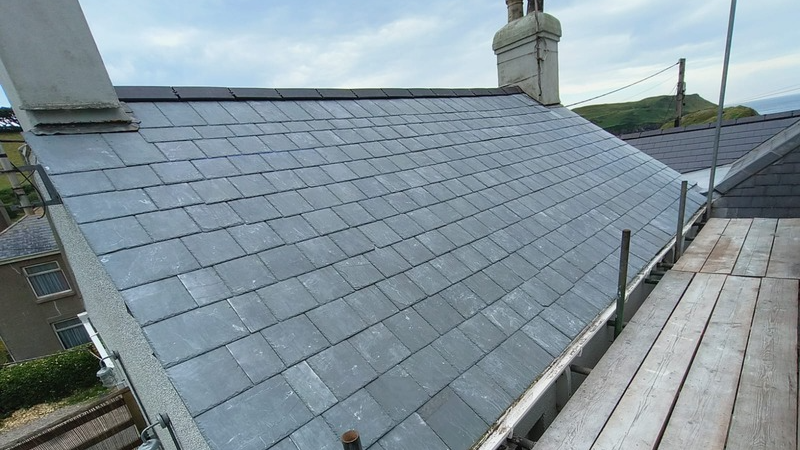
A historic courthouse required a roof replacement that preserved its original design. Slate tiles were chosen to maintain architectural integrity while benefiting from modern installation methods.
This replacement project balanced preservation and performance, ensuring both heritage and durability.
Benefits of Roof Replacement
Long-Term Protection
A new roof ensures optimal protection against leaks, weather, and environmental stress. Property owners can feel secure knowing their building is shielded from potential damage.
Energy Efficiency
Modern materials and better insulation help regulate indoor temperatures, reducing reliance on heating and cooling systems. This translates to noticeable savings on energy bills.
Increased Property Value
Buyers often prioritize properties with new roofs, making replacement a top return-on-investment improvement for homeowners.
Reduced Maintenance Costs
Unlike patchwork repairs, a full roof replacement eliminates ongoing issues, saving money and effort in the long run.
Use Cases of Roof Replacement
Residential Applications
For homeowners, roof replacement restores comfort, safety, and curb appeal. Families benefit from improved protection against leaks, energy efficiency, and peace of mind.
Commercial Applications
Businesses depend on strong roofs to safeguard assets, equipment, and staff. Roof replacement ensures smooth operations while reducing costly disruptions caused by leaks or structural failures.
Institutional Applications
Public institutions like schools, libraries, and government offices rely on roof replacement to meet safety codes, maintain operations, and reduce long-term maintenance costs.
Frequently Asked Questions
1. How long does roof replacement take?
Residential projects usually take 2–5 days, depending on roof size and weather conditions. Larger commercial replacements can take several weeks, but are scheduled to minimize disruption.
2. What are the signs I need roof replacement instead of repairs?
Widespread shingle loss, sagging areas, recurring leaks, or roofs reaching the end of their lifespan all indicate replacement is necessary.
3. How long will a new roof last?
Lifespan varies by material: asphalt shingles last 20–30 years, metal lasts 40–70 years, and slate or tile can last over 100 years with maintenance.